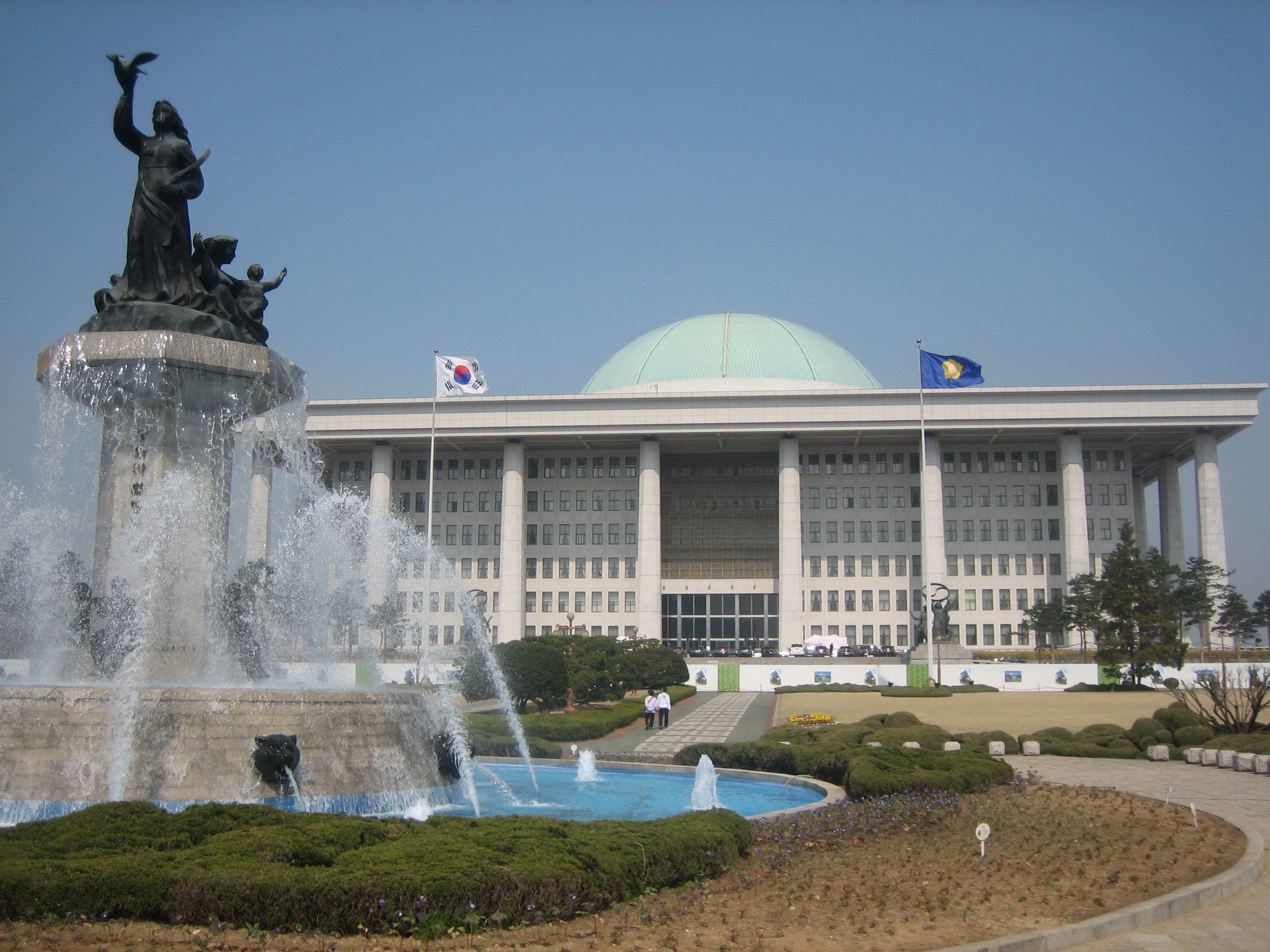
Acting Prosecutor General Gu Ja-hyun has resigned following the National Assembly's passage of an amendment to the Criminal Procedure Act [1].
The resignation creates a critical leadership vacuum within the prosecution service during a period of systemic transition. The legislation in question targets the reduction and eventual abolition of the prosecution's authority to conduct direct investigations [2].
Gu's decision to step down comes as a direct protest against the legislative shift. While the Acting Prosecutor General expressed opposition to the bill, government ministers said they lack the will to intervene or reverse the process [1].
This conflict follows a long-standing legal battle over the scope of prosecutorial power. Previous efforts to limit these capabilities began with a bill passed in 2022 [3]. At that time, Lee Jung-soo, then head of the Seoul Central District Prosecutors' Office, said the phased abolition of direct investigation "retrogrades the role of protecting human rights and uncovering the substantive truth" [4].
The current legislative environment suggests a definitive move toward separating investigative and prosecutorial functions. According to reports, the prosecution office is expected to close its doors by October [5].
The departure of Gu Ja-hyun leaves the agency without a top leader as it navigates these structural changes. The absence of a clear succession plan, or ministerial support, exacerbates the instability within the legal hierarchy [1].
“Gu Ja-hyun has resigned following the National Assembly's passage of an amendment to the Criminal Procedure Act.”
The resignation of the Acting Prosecutor General signals a breakdown in the relationship between South Korea's judicial leadership and the legislature. By stripping the prosecution of its direct investigative powers, the government is fundamentally altering the balance of power in the criminal justice system, moving toward a model where the prosecution focuses on indictments rather than evidence gathering.
'%2F%3E%0A%20%20%20%20%3Crect%20width%3D'1600'%20height%3D'900'%20fill%3D'url(%23v)'%2F%3E%0A%20%20%20%20%3Cg%20opacity%3D'0.08'%20fill%3D'%23ffffff'%3E%0A%20%20%20%20%20%20%3Ccircle%20cx%3D'1420'%20cy%3D'180'%20r%3D'220'%2F%3E%0A%20%20%20%20%20%20%3Ccircle%20cx%3D'1500'%20cy%3D'760'%20r%3D'120'%2F%3E%0A%20%20%20%20%3C%2Fg%3E%0A%20%20%20%20%3Cline%20x1%3D'80'%20y1%3D'172'%20x2%3D'220'%20y2%3D'172'%20stroke%3D'%23ffffff'%20stroke-width%3D'3'%20stroke-opacity%3D'0.6'%2F%3E%0A%20%20%20%20%3Ctext%20x%3D'80'%20y%3D'140'%20font-family%3D'Inter%2C%20-apple-system%2C%20Helvetica%2C%20sans-serif'%20font-weight%3D'700'%20font-size%3D'28'%20fill%3D'%23ffffff'%20letter-spacing%3D'6'%3EHANNA%20%C2%B7%20NEWS%3C%2Ftext%3E%0A%20%20%20%20%3Ctext%20x%3D'80'%20y%3D'230'%20font-family%3D'Inter%2C%20-apple-system%2C%20Helvetica%2C%20sans-serif'%20font-weight%3D'600'%20font-size%3D'40'%20fill%3D'%23ffffffb3'%20letter-spacing%3D'4'%3EWORLD%3C%2Ftext%3E%0A%20%20%20%20%3Ctext%20x%3D'80'%20y%3D'571'%20font-family%3D'Playfair%20Display%2C%20Georgia%2C%20serif'%20font-weight%3D'800'%20font-size%3D'72'%20fill%3D'%23ffffff'%20letter-spacing%3D'-1'%3EAditi%20Rao%20Hydari%20and%3C%2Ftext%3E%3Ctext%20x%3D'80'%20y%3D'654'%20font-family%3D'Playfair%20Display%2C%20Georgia%2C%20serif'%20font-weight%3D'800'%20font-size%3D'72'%20fill%3D'%23ffffff'%20letter-spacing%3D'-1'%3ESiddharth%20Close%20Jayanti%3C%2Ftext%3E%3Ctext%20x%3D'80'%20y%3D'737'%20font-family%3D'Playfair%20Display%2C%20Georgia%2C%20serif'%20font-weight%3D'800'%20font-size%3D'72'%20fill%3D'%23ffffff'%20letter-spacing%3D'-1'%3EReddy%20Show%20at%20India%20Couture%3C%2Ftext%3E%3Ctext%20x%3D'80'%20y%3D'820'%20font-family%3D'Playfair%20Display%2C%20Georgia%2C%20serif'%20font-weight%3D'800'%20font-size%3D'72'%20fill%3D'%23ffffff'%20letter-spacing%3D'-1'%3EWeek%3C%2Ftext%3E%0A%20%20%20%20%3Ctext%20x%3D'80'%20y%3D'870'%20font-family%3D'Inter%2C%20-apple-system%2C%20Helvetica%2C%20sans-serif'%20font-weight%3D'500'%20font-size%3D'22'%20fill%3D'%23ffffff66'%20letter-spacing%3D'2'%3Enews.hanna-ai.com%3C%2Ftext%3E%0A%20%20%3C%2Fsvg%3E)
