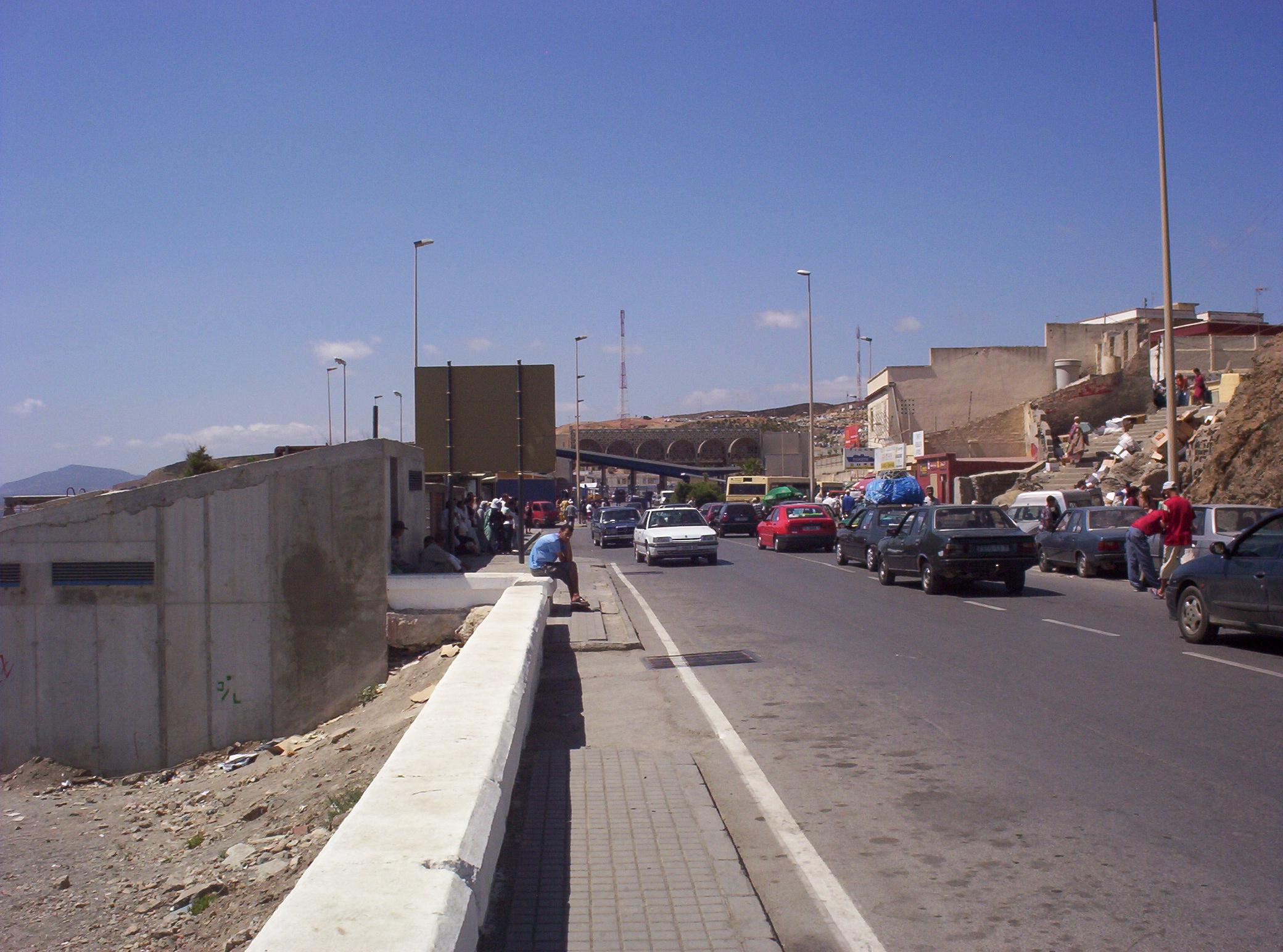
Thousands of migrants crossed from Morocco into the Spanish enclave of Ceuta on Thursday, prompting Spain to declare a national emergency.
The surge has overwhelmed local authorities and forced the deployment of the Spanish military to the North African coast. This event highlights the ongoing desperation of migrants seeking entry into the European Union through precarious border crossings.
Between 2,000 and 3,000 people [1] crossed the border, with many swimming to reach the shore at the Tarajal beach and breakwater area. The peninsula is only six miles long [2], but the crossing remains perilous. AP News said that at least nine people died [3] during the attempt.
Spanish security forces and military units have been stationed along the border to manage the influx. The migrants, primarily from Morocco, faced significant obstacles as they attempted to enter the enclave. The scale of the crossing has led to a rapid mobilization of national resources to secure the perimeter, and process those who arrived.
Those attempting the journey are often driven by the promise of economic opportunity. An unnamed migrant living in Spain described the disconnect between the hope of the journey and the arrival, saying, "They're told that there's a future in Spain, that there are jobs there, when they arrive they're faced with the harsh reality that they have nothing" [4].
Local officials in Ceuta have struggled to provide immediate aid and processing for the thousands of arrivals. The situation remains tense as authorities work to maintain border integrity while dealing with a humanitarian crisis on the shoreline.
“Between 2,000 and 3,000 people crossed the border, with many swimming to reach the shore.”
The emergency in Ceuta underscores the persistent tension between European border security and the migration pressures driven by economic disparity in North Africa. The use of military force and the declaration of a national emergency suggest that Spain views these mass crossings not merely as humanitarian issues, but as critical security breaches that require state-level intervention.


