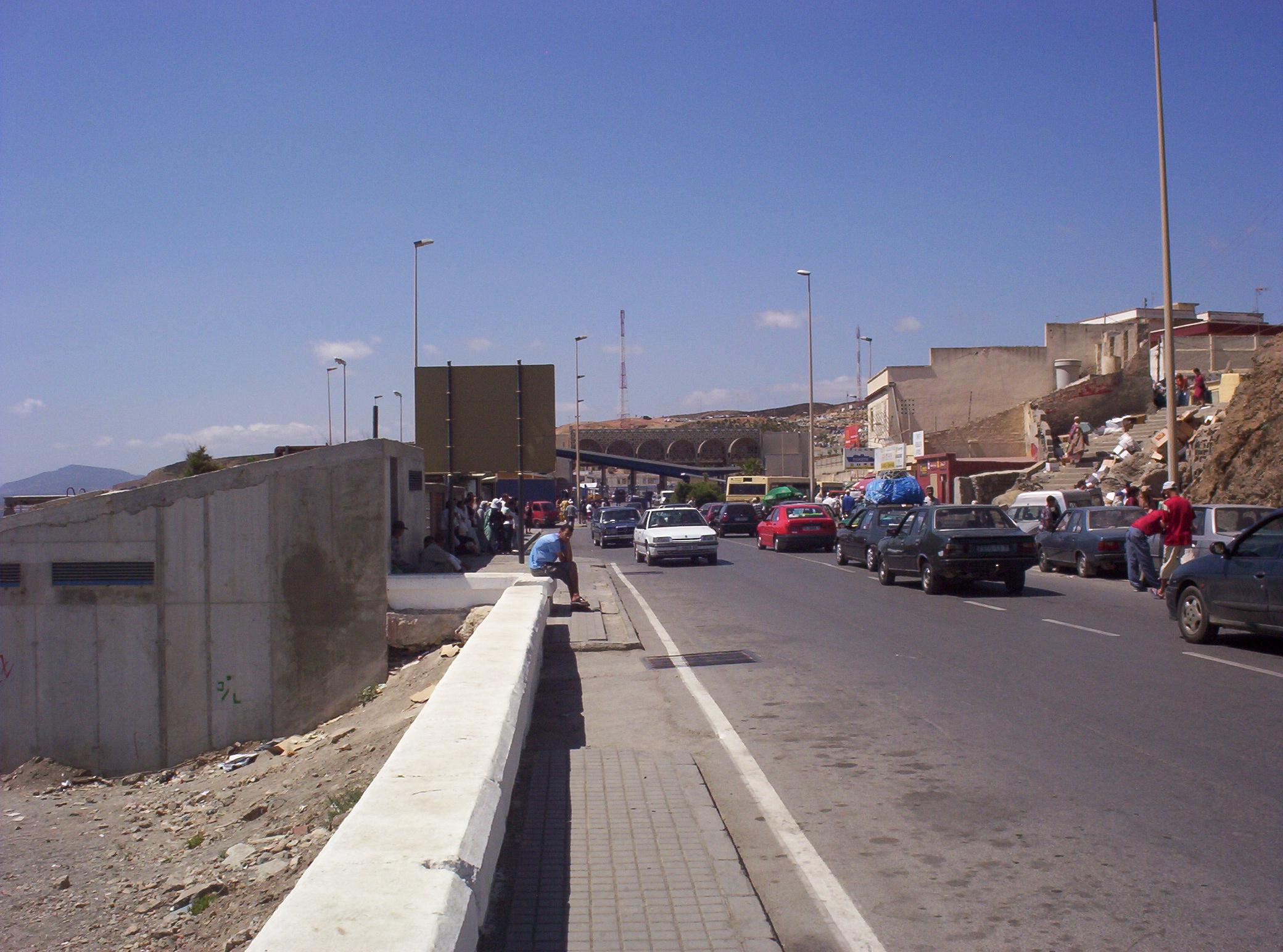
Spain and Morocco have agreed to expedite the return of all migrants who entered the Spanish enclave of Ceuta illegally [1].
This agreement marks a critical effort to stabilize the border of the North African territory during a period of intense migratory pressure. By streamlining administrative procedures, both nations seek to prevent further irregular entries and manage the current humanitarian and security crisis.
Between 1,500 and 2,000 people have entered Ceuta over the last 10 days [1]. The pact, coordinated in Madrid and announced Thursday, focuses on reinforcing cooperation to ensure the repatriation of these individuals occurs as quickly as possible [1], [2].
Spanish Interior Minister Fernando Grande-Marlaska highlighted the role of Moroccan authorities in managing the surge. He said the efforts of the neighboring country have prevented thousands of entry attempts [3].
Government representatives emphasized the urgency of the operation. A spokesperson for the Spanish Interior Ministry said the goal is to return the migrants "lo antes posible, de todas las que han entrado ilegalmente" — as soon as possible, for all those who have entered illegally [1].
This joint action involves the Spanish Ministry of the Interior and Moroccan authorities working to synchronize their legal and logistical frameworks [1], [2]. The objective is to resolve the current influx while establishing a deterrent against future irregular migration waves through the Ceuta border [1], [3].
“"Lo antes posible, de todas las que han entrado ilegalmente".”
The agreement underscores the interdependent relationship between Spain and Morocco regarding border security. By prioritizing the rapid return of migrants, Spain aims to maintain the integrity of its borders in North Africa, while Morocco leverages its role as a gatekeeper to strengthen diplomatic and security ties with the European Union.


