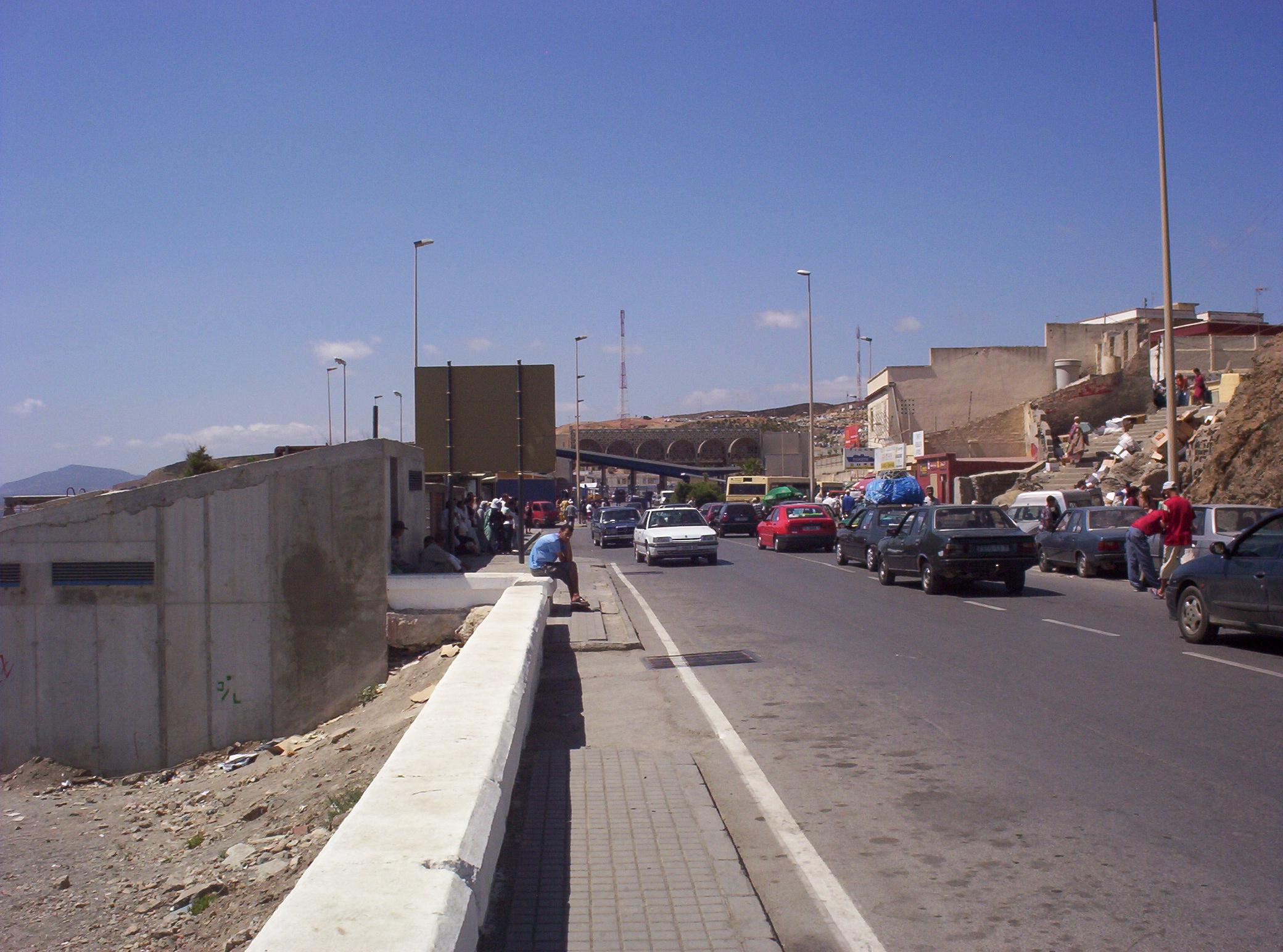
Spanish Prime Minister Pedro Sánchez said Madrid is working with Morocco to quickly return migrants following a massive surge into the enclave of Ceuta.
The incident threatens to destabilize diplomatic relations between Spain and Morocco while creating a humanitarian crisis on the North African coast. The scale of the influx has forced the Spanish government to prioritize rapid repatriations to restore order in the border region.
The surge unfolded on Thursday and continued into Friday, resulting in what officials described as absolute chaos. Reports on the total number of entrants vary, with some sources stating nearly 50,000 migrants crossed in a single day [4], while other reports place the total number of people who entered the enclave at 60,000 [1].
Spanish authorities have already begun the process of reversing the influx. Government officials said that 50% of the migrants have been sent back since the surge began [3].
The response to the border breach involved military intervention. Reports indicate that 34 people died during the military response [1].
Sánchez said the priority remains the coordination with Moroccan authorities to manage the border and prevent further uncontrolled crossings. The Spanish enclave of Ceuta sits on the North African coast and shares a direct land border with Morocco, making it a frequent flashpoint for migration flows.
Madrid is seeking a swift resolution to the crisis to avoid prolonged instability. The government continues to monitor the border as the repatriation process proceeds.
“Madrid is working with Morocco to quickly return migrants”
The volatility of the Ceuta border highlights the fragile nature of the migration agreement between Spain and Morocco. By prioritizing rapid returns and military intervention, Spain is signaling a hardline approach to border security to deter future mass crossings, though the reported deaths may complicate the diplomatic narrative and trigger international scrutiny over human rights.


