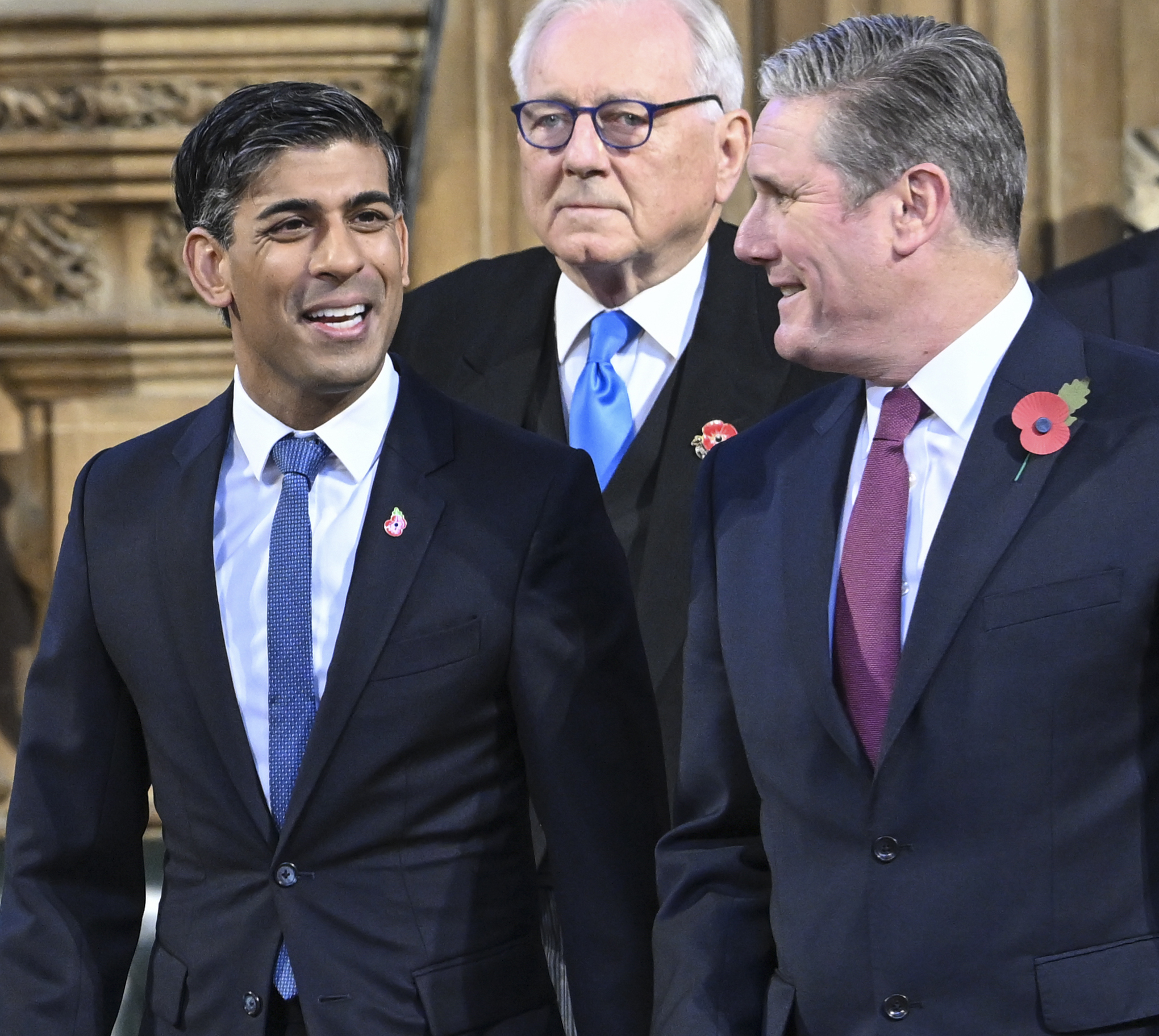
UK Prime Minister Keir Starmer attended what may be his final session in the House of Commons following his announcement of resignation [1].
The departure of the Labour leader marks a significant shift in British governance, as the party seeks a new leader to stabilize the government. This transition follows a period of internal instability and a loss of support from within the party's own ranks.
Starmer announced his decision to resign on Monday, May 13, 2024 [2]. He returned to the Palace of Westminster for a parliamentary session on Wednesday, May 15, 2024 [3], where he had the opportunity to defend his record. His administration had been in power for almost two years [4].
The resignation came after Starmer lost the confidence of back-bench Labour MPs [2]. While the prime minister faced the chamber in London, Andy Burnham, the mayor of Manchester, was absent from the session [1].
Burnham is currently being positioned as the likely successor to lead the Labour party [1]. As a leadership hopeful, Burnham is preparing to potentially take over the role of party leader and serve as the next prime minister [1].
The session in the House of Commons served as the final formal venue for Starmer to address the legislature before his exit. The transition now moves toward the internal Labour processes required to select a new leader, and maintain a governing majority in Parliament [1], [2].
“Starmer announced his decision to resign on Monday, May 13, 2024”
The transition from Starmer to a potential Burnham leadership represents a critical juncture for the Labour party. By resigning after losing the support of back-bench MPs, Starmer acknowledges a failure to maintain party unity. The ascent of Andy Burnham would shift the party's leadership dynamic, potentially altering the government's policy direction as it attempts to regain stability and public trust.


