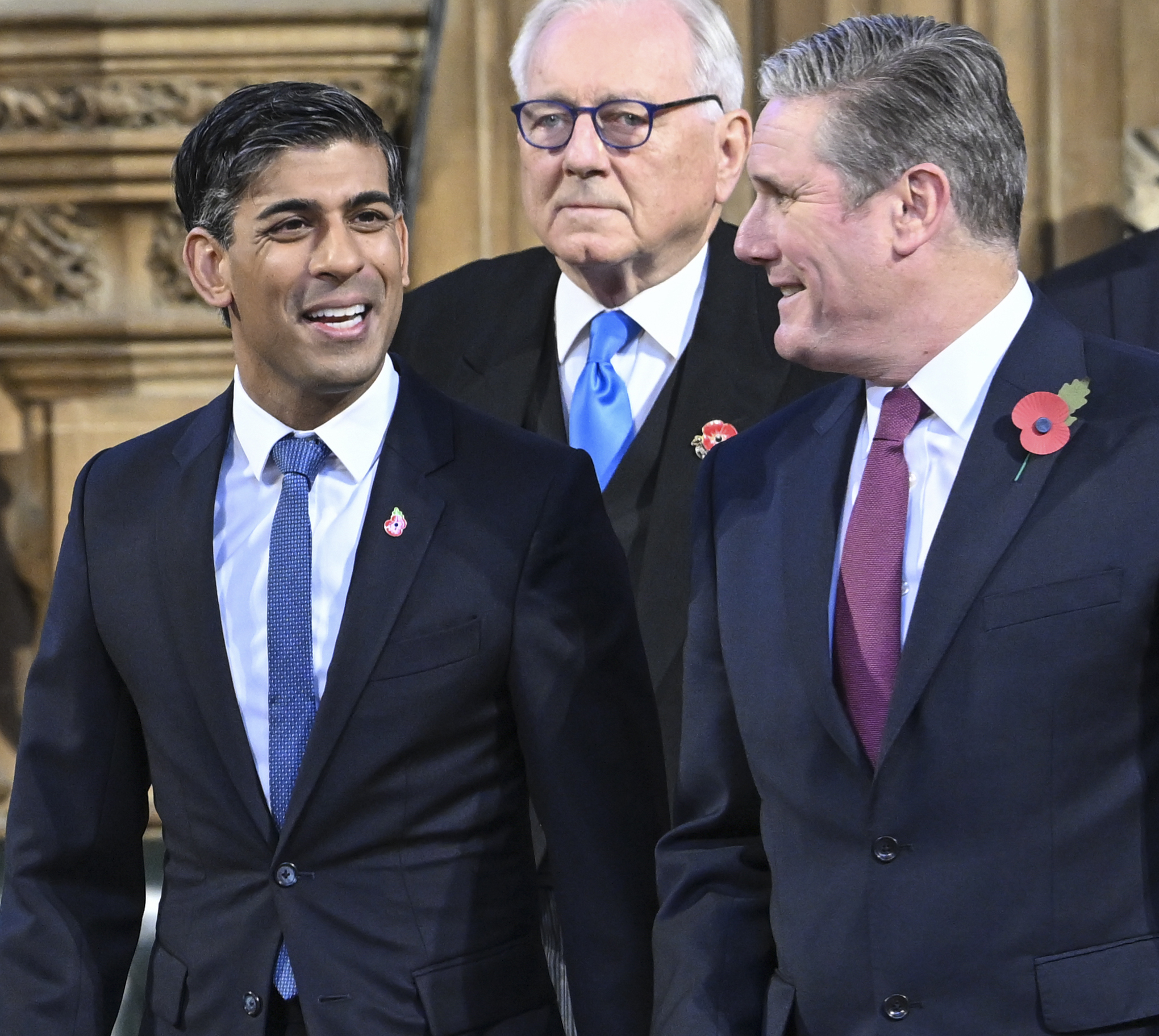
Prime Minister Keir Starmer is expected to set out a timetable for his resignation from office imminently [1, 2, 3].
The potential departure of the UK leader signals a deepening crisis within the Labour government. If Starmer resigns, Britain would have its seventh premier in a decade [1].
Senior Labour figures and allies said that the timetable could be announced as early as Monday [1, 2]. This move follows reports from May 2026 that internal pressure had reached a critical point within Downing Street [1, 2].
Scores of Labour MPs are calling for Starmer to resign [5]. The pressure stems from party allies and cabinet ministers who said his continued tenure is untenable [1, 3, 4].
Reports on the source of this pressure vary among outlets. The Scotsman reported that Home Secretary Shabana Mahmood, Energy Secretary Ed Miliband, and Yvette Cooper said Starmer his time must end [3]. The Express reported that cabinet ministers said Starmer he needs to go as he is on the brink of obliteration [4].
Supporters of a leadership change suggest that a resignation would pave the way for a successor, such as Andy Burnham [3, 4]. The shift would represent a significant reorganization of the UK's executive leadership during a period of political instability.
“Britain would have its seventh premier in a decade if Starmer resigns now”
A resignation by Keir Starmer would underscore the volatility of the UK's premiership, mirroring the rapid turnover of leaders seen over the last 10 years. The internal push from high-ranking cabinet members suggests a loss of confidence in Starmer's ability to maintain party unity or legislative momentum, potentially shifting the Labour Party's direction under a new leader.


