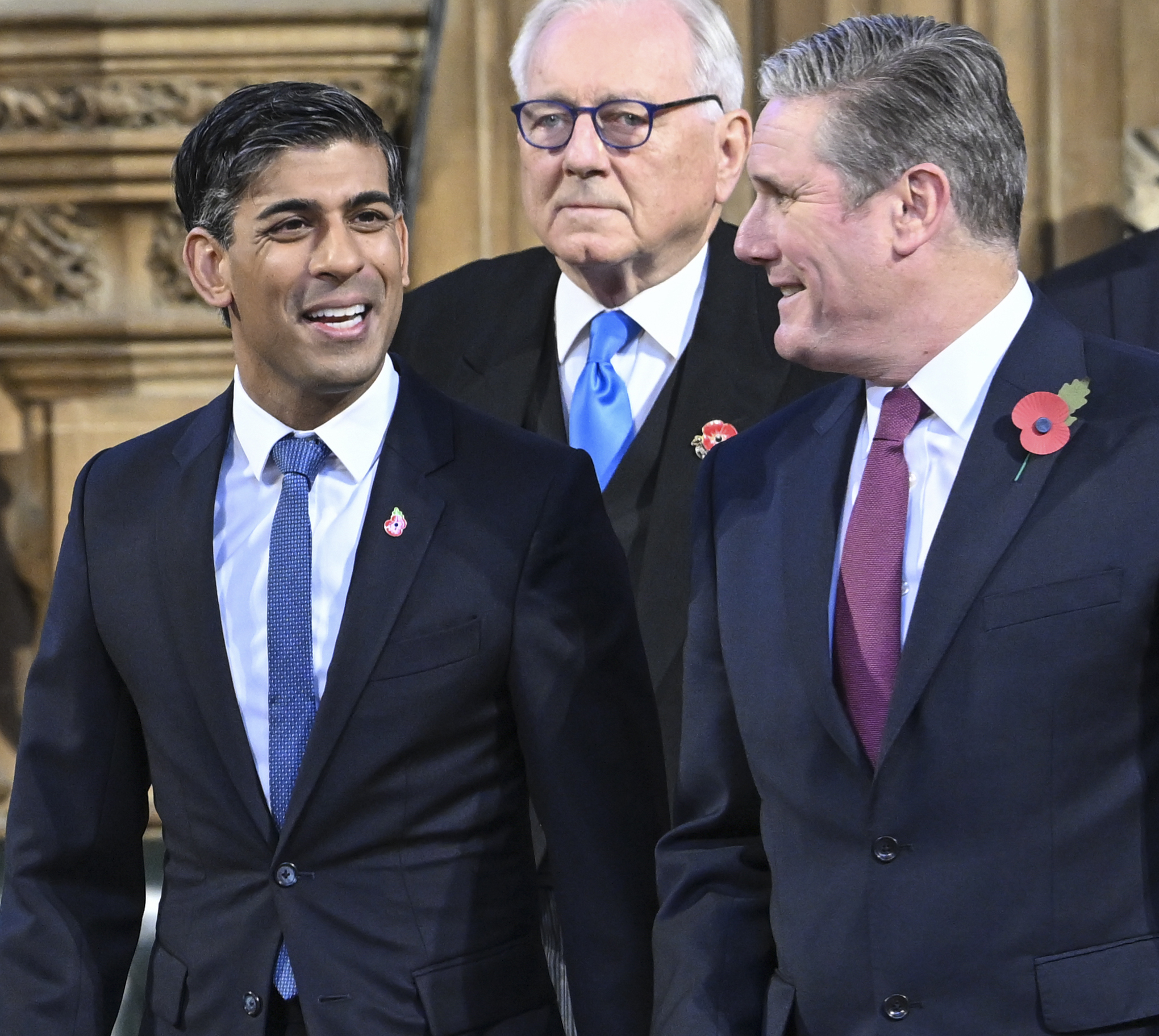
British Prime Minister Keir Starmer faced intense questioning in the House of Commons as the Scottish National Party announced plans to force a no-confidence vote.
The move signals a deepening crisis for the Prime Minister, as opposition parties and members of his own Labour party question his ability to lead amid internal turmoil and policy disputes.
During the session in Westminster, Starmer was grilled on his current direction and the perceived instability within his government. The pressure has culminated in the SNP's decision to formally challenge his leadership status through a parliamentary vote [1].
Dave Doogan, the SNP Westminster leader, criticized the current state of the administration during the proceedings. He focused on the instability of the government's current trajectory and the impact on governance [1].
"The leadership circus can't go on any longer," Doogan said [1].
Opposition members argued that the Prime Minister's leadership has become a distraction from the urgent needs of the country. These critics point to policy disagreements, and a lack of cohesion within the Labour party, as evidence that Starmer can no longer effectively manage the government [1].
Starmer has not yet detailed a formal response to the SNP's move, but the session highlighted the growing friction between the government and its critics in the House of Commons. The call for a no-confidence vote serves as a mechanism to force a public and legislative reckoning regarding the Prime Minister's standing [1].
“"The leadership circus can't go on any longer."”
A no-confidence vote is a significant parliamentary tool that can lead to a change in government or a general election if successful. While the SNP is a minority party, their move reflects a broader attempt to capitalize on perceived fractures within the Labour party, potentially emboldening other dissidents to challenge the Prime Minister's authority.


