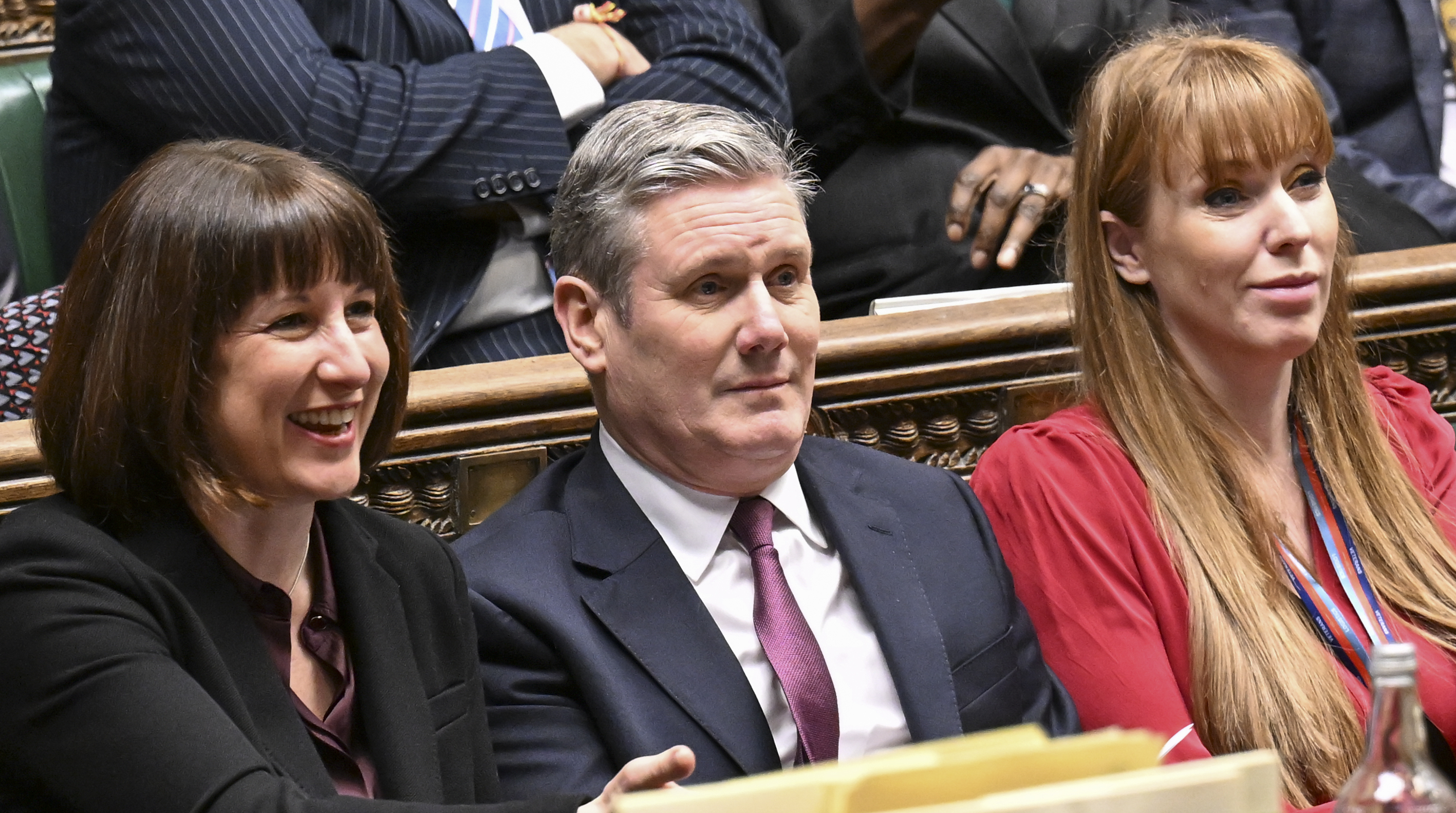
UK Prime Minister Keir Starmer pledged an additional $20 billion [1] to modernize Britain’s armed forces during Prime Minister's Questions on June 29, 2026.
The investment aims to prepare the United Kingdom for future conflicts and address the state of depleted military capabilities. The move comes as the government faces pressure from opposition leaders regarding the scale of national security spending.
Speaking in the House of Commons in Westminster, Starmer said, "We will spend an extra $20 billion to modernise our armed forces for the wars of the future" [1]. He said the initiative is the biggest military investment in a generation and said it would secure the future of Britain [2].
The announcement followed a confrontation with the opposition. Kemi Badenoch, the UK Work and Pensions Secretary, criticized the government's financial handling of the defense sector. Badenoch said, "You have left a £5 billion mess for the next generation to clean up" [3].
This £5 billion [3] figure refers to a spending gap identified by the opposition, which contradicts the government's projection of sufficient funding. The Prime Minister used the session to argue that the new funding will bridge existing gaps and update aging equipment, a necessity for maintaining a strategic edge in a volatile global landscape.
Starmer's defense plan focuses on technological upgrades and readiness for emerging threats. The session at the House of Commons highlighted a deep divide between the administration and its critics over how to balance fiscal responsibility with the requirements of national defense [3].
“"This is the biggest military investment in a generation and will secure Britain’s future."”
The pledge of $20 billion represents a strategic pivot toward higher defense spending to counter geopolitical instability. However, the friction over a reported £5 billion shortfall suggests that the opposition views the government's financial planning as insufficient or mismanaged, indicating that military funding will remain a primary point of political contention in the UK parliament.