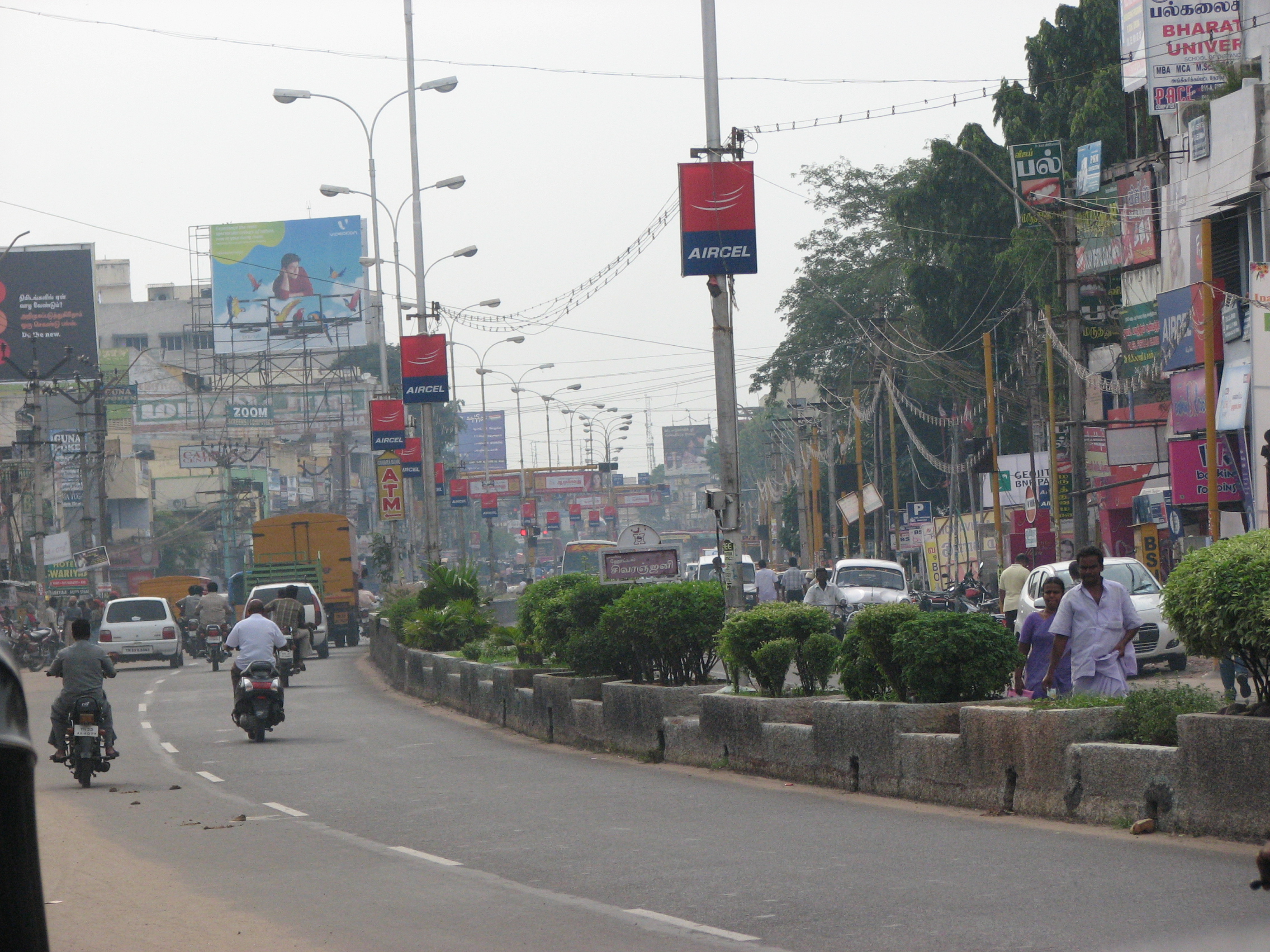
Residents of Sundapur village in Erode continue to wait for a motorable road as the local project awaits final clearance [1].
The lack of reliable infrastructure isolates the community from essential services and prevents the establishment of consistent bus connectivity. This delay leaves the population dependent on inadequate transit options in a region where road access is critical for economic and social mobility.
Currently, the only existing infrastructure is a one-kilometer stretch laid by the panchayat [1]. This small segment of the road is reported to be damaged, further complicating travel for those attempting to enter or leave the village.
Local inhabitants have expressed their frustration over the stalled development. "Residents of Sundapur village in Erode continue to await a motorable road and bus connectivity," residents said [1].
The project's failure to move forward is attributed to pending administrative approvals. While the local panchayat attempted to address the need with a limited stretch of road, the broader project requires higher-level clearances to be fully implemented, a process that has yet to be completed.
Without these final clearances, the village remains disconnected from the wider district road network. The damaged state of the existing one-kilometer stretch highlights the insufficiency of temporary local measures when comprehensive government approval is missing [1].
“The project to build a road to Sundapur village remains delayed, with only a one-kilometer panchayat stretch currently in place.”
The situation in Sundapur illustrates a common bottleneck in rural infrastructure where local-level efforts, such as the panchayat's one-kilometer road, are insufficient without systemic regulatory approval. The lack of a motorable road creates a cycle of isolation that prevents the expansion of public transport, which in turn limits the residents' access to healthcare, education, and markets in the Erode district.

