Taiwan's legislature has postponed consideration of a US$6.6 billion special budget intended to expand the island's drone capabilities [1].
The delay occurs as Taiwan seeks to modernize its defense strategy by integrating a massive fleet of unmanned systems to deter potential aggression. The scale of the procurement reflects a shift toward asymmetric warfare, emphasizing low-cost, high-impact technology over traditional heavy platforms.
The proposed funding would support the acquisition of more than 200,000 unmanned systems [2]. This procurement plan includes both attack drones and unmanned surface vessels designed to operate in the region's contested waters. The budget is intended to cover these defense expansions through 2031 [1].
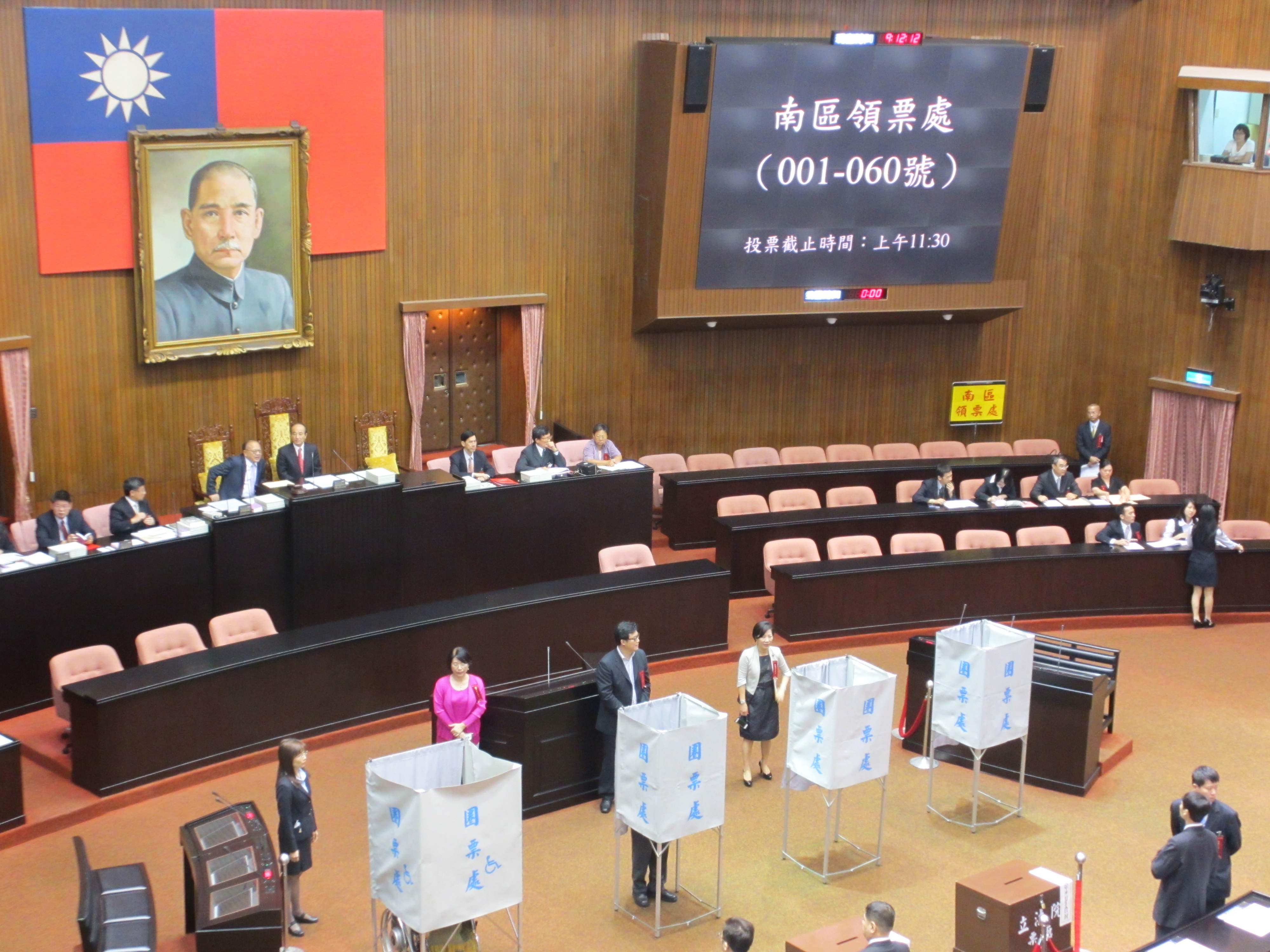
Lawmakers at the Legislative Yuan in Taipei delayed the budget as part of the standard legislative review process [1]. The proposal focuses on the development and purchase of domestically made systems to reduce reliance on foreign suppliers, and ensure a sustainable supply chain for the military.
The legislative review focuses on how the funds will be allocated across various drone types and the timeline for deployment. By prioritizing domestically produced drones, the government aims to foster a local defense industry capable of rapid iteration and maintenance during a conflict [2].
While the budget has not yet been approved, the proposal signals a strategic pivot toward unmanned autonomy. The integration of surface vessels alongside aerial drones suggests a coordinated effort to secure both the coastline and the airspace through a multi-domain unmanned network [2].
“Taiwan's legislature has postponed consideration of a US$6.6 billion special budget.”
The delay in funding underscores the political tension inherent in balancing massive defense spending with legislative oversight. If approved, the procurement of over 200,000 systems would represent one of the most aggressive shifts toward asymmetric deterrence in the region, moving Taiwan away from traditional manned platforms toward a high-volume, autonomous defense posture.