TenneT GmbH & Co. KG plans to issue its first bonds to fund a €67 billion [1] investment in Germany’s national grid.
This capital raise is critical as the company attempts to modernize the energy infrastructure required to support Germany's transition to sustainable power. The scale of the investment reflects the urgent need for updated transmission capabilities to handle fluctuating energy loads.
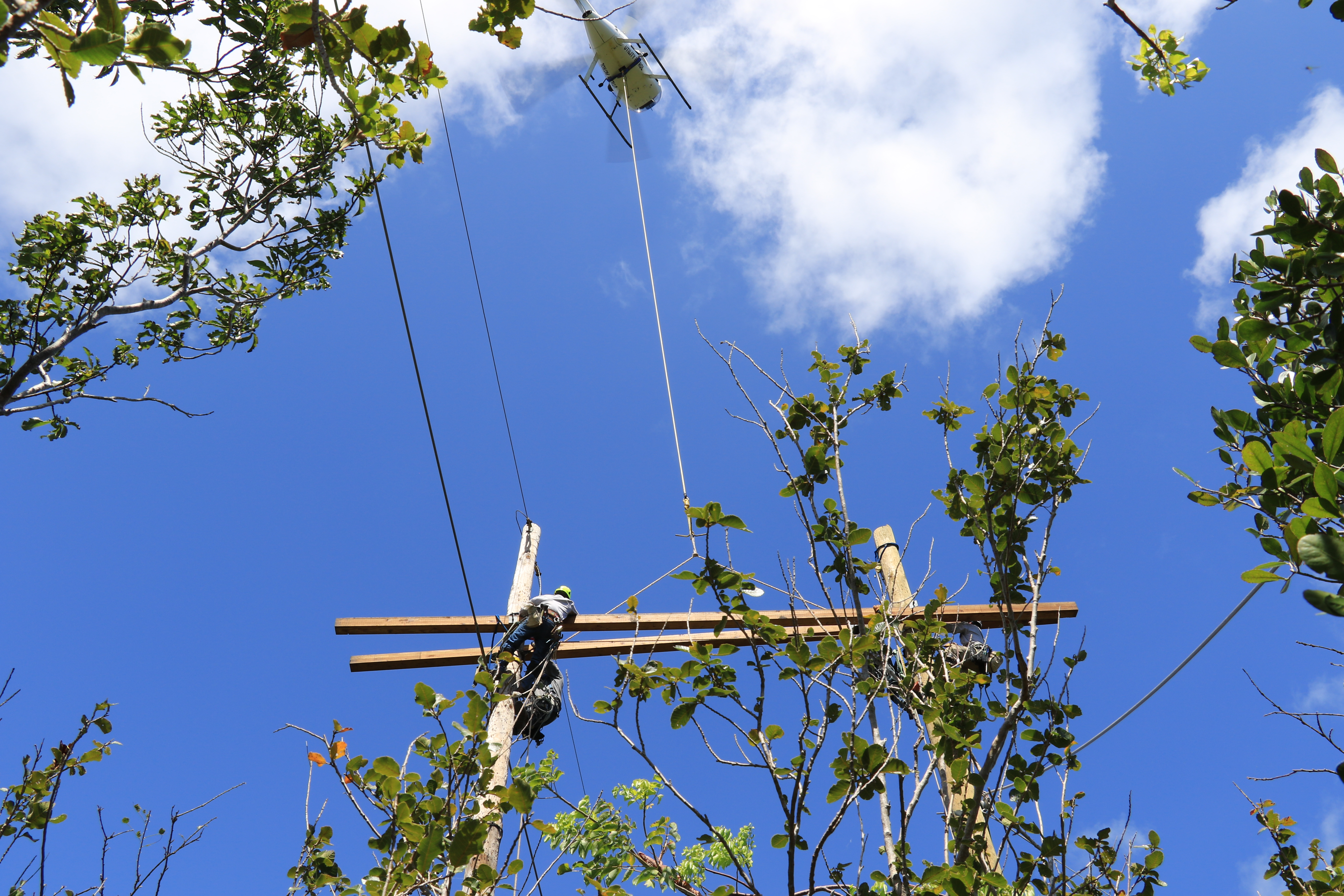
The company is targeting a total investment of €67 billion [1] to upgrade the national grid. These efforts involve the construction of thousands of kilometers of new transmission infrastructure across both Germany and the Netherlands [4].
This financial strategy follows a period of significant restructuring. The Dutch government sold a 46% stake in TenneT’s German unit to an investor consortium for up to 9.5 billion euros [2], which is approximately $11.3 billion [3].
Earlier infrastructure spending also indicates the company's aggressive growth trajectory. TenneT reported infrastructure spending of €4.6 billion [5] during the first half of 2024. The move into the bond market allows the company to diversify its funding sources as it scales these operations.
Representatives for the company said the bonds are intended to support huge grid investments and modernization efforts [1]. The company is focusing on increasing the capacity and reliability of the grid to prevent bottlenecks in energy distribution.
“TenneT Germany is planning to raise capital through bonds to fund a significant investment of €67 billion.”
The move to issue bonds signals that TenneT is shifting toward a more complex capital structure to manage the immense costs of the energy transition. By leveraging the bond market alongside private equity from the Dutch government's stake sale, the company is positioning itself to execute one of the largest infrastructure overhauls in Europe's history to ensure grid stability.


