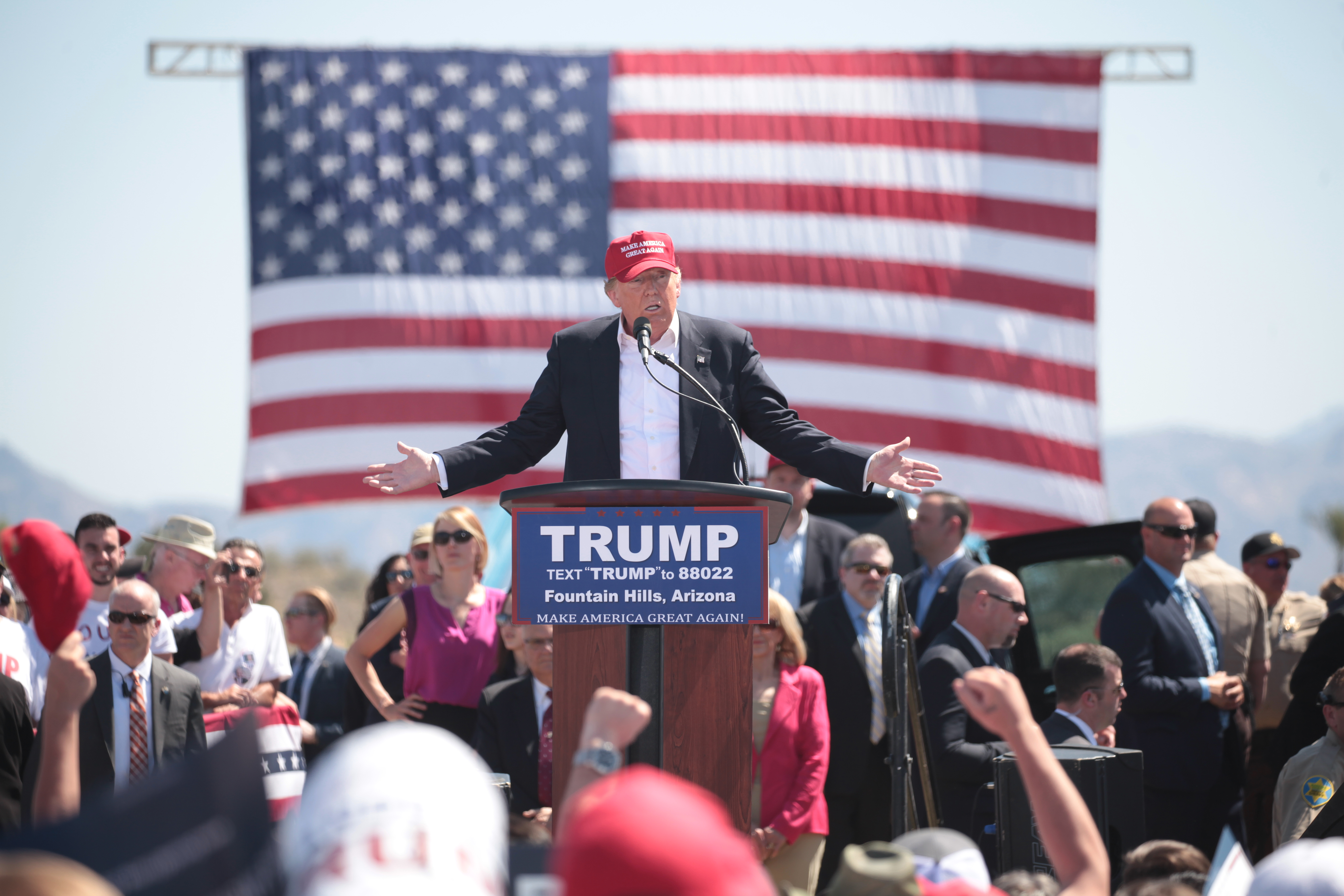
Tuesday primary elections across the U.S. are serving as a political thermometer for the general election in November [1].
These contests are critical because they gauge voter sentiment and determine which candidates will represent the parties in the final stretch of the 2026 cycle. For the Republican Party, the influence of former president Donald Trump remains a decisive factor in determining who wins GOP primaries [2].
Political analysts, including Luis Alvarado, said that Trump's endorsement can shape the outcome of primary races and influence broader electoral dynamics [1]. This effect is particularly evident in states such as Arizona and California [3].
Trump has remained active in the electoral discourse. In a speech focused on election security, he delivered a 24-minute address [4]. The speech highlighted five key points as the country moves toward the November elections [4].
While the primaries provide a glimpse into voter priorities, they have also been a source of contention. On June 5, 2026, Trump said there was evidence of fraud in the California primaries [5].
Analysts said that the results of these Tuesday contests will provide essential data for both parties. By observing turnout and candidate performance, strategists can adjust their platforms before the general election [1]. The ability of the GOP to align its primary winners with the broader electorate will be a key challenge in the coming months [2].
“Tuesday primary elections are being used as a political thermometer for the November 2026 general election.”
The reliance on a single figure's endorsement within the GOP indicates that the party's internal alignment remains closely tied to Donald Trump's personal brand. If primary winners are chosen primarily based on this endorsement rather than broad appeal, it may create a strategic gap between the party's base and the moderate voters needed to win a general election in November.


