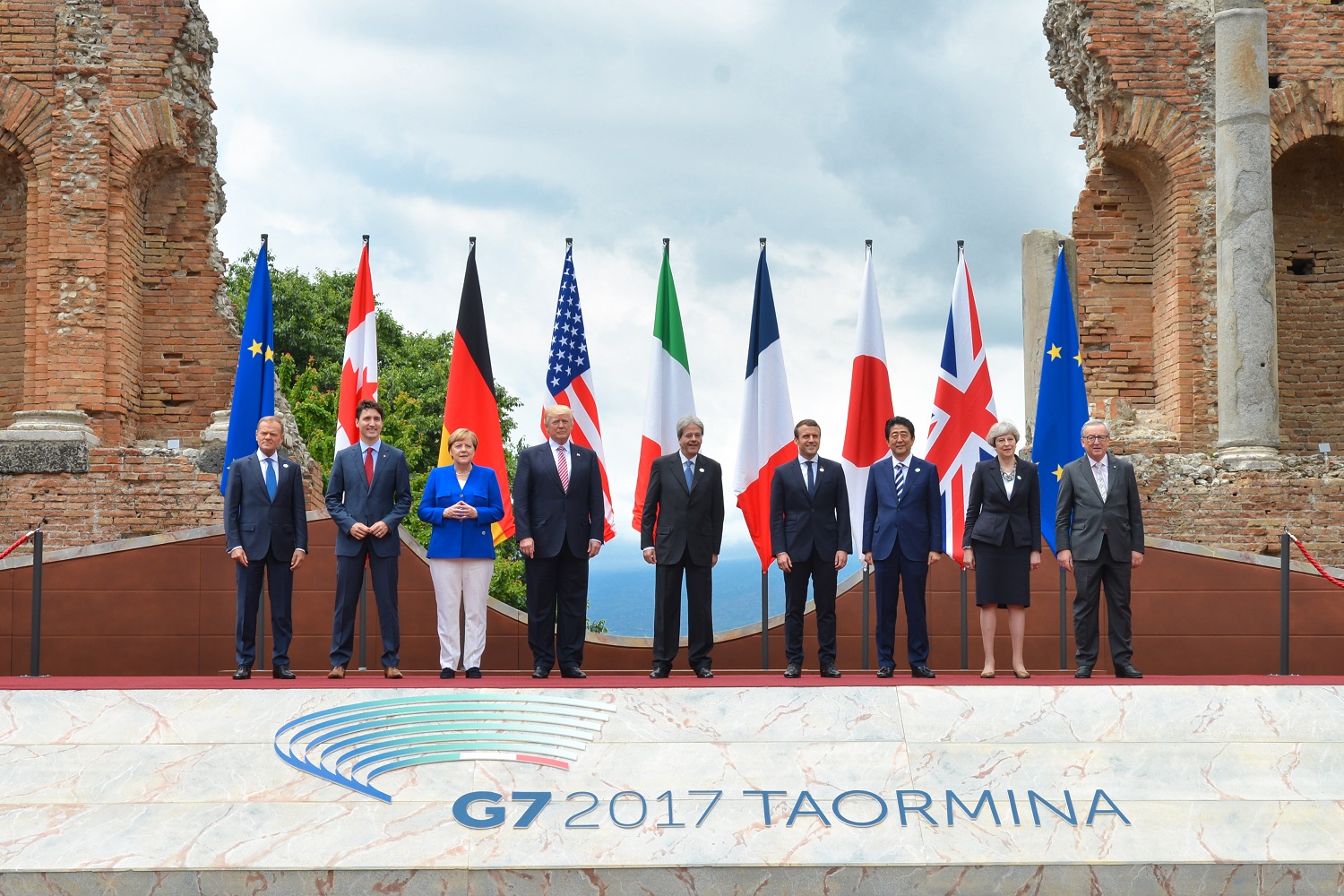
U.S. President Donald Trump held a press conference in Evian, France, on June 17, 2026 [1], to conclude the G7 summit.
The event marks a critical moment for international diplomacy as the G7 leaders finalize agreements on global security and the proliferation of advanced weaponry.
During the briefing, Trump addressed several outcomes of the summit and shifted focus to the Middle East. He commented on the status of Iran's military capabilities and the ongoing tensions regarding the region's security architecture.
Trump spoke regarding the legality and fairness of missile ownership in the region. "It is unfair for Iran not to have ballistic missiles," Trump said [2].
The statement comes as the G7 nations continue to debate the risks of artificial intelligence, and the necessity of peace deals to prevent larger regional conflicts. The summit in Evian served as the primary venue for these discussions over the past several days.
Trump's remarks regarding Iran's weaponry contrast with traditional diplomatic efforts to limit the spread of ballistic missiles in the Middle East. The press conference provided the final public opportunity for the U.S. president to outline his administration's stance on these issues before departing France [1].
“"It is unfair for Iran not to have ballistic missiles."”
The President's comments suggest a potential shift in U.S. policy toward a more transactional or permissive approach to regional arms balances. By questioning the fairness of missile restrictions on Iran, the administration may be signaling a willingness to renegotiate security frameworks or leverage missile capabilities as a bargaining chip in broader diplomatic deals.