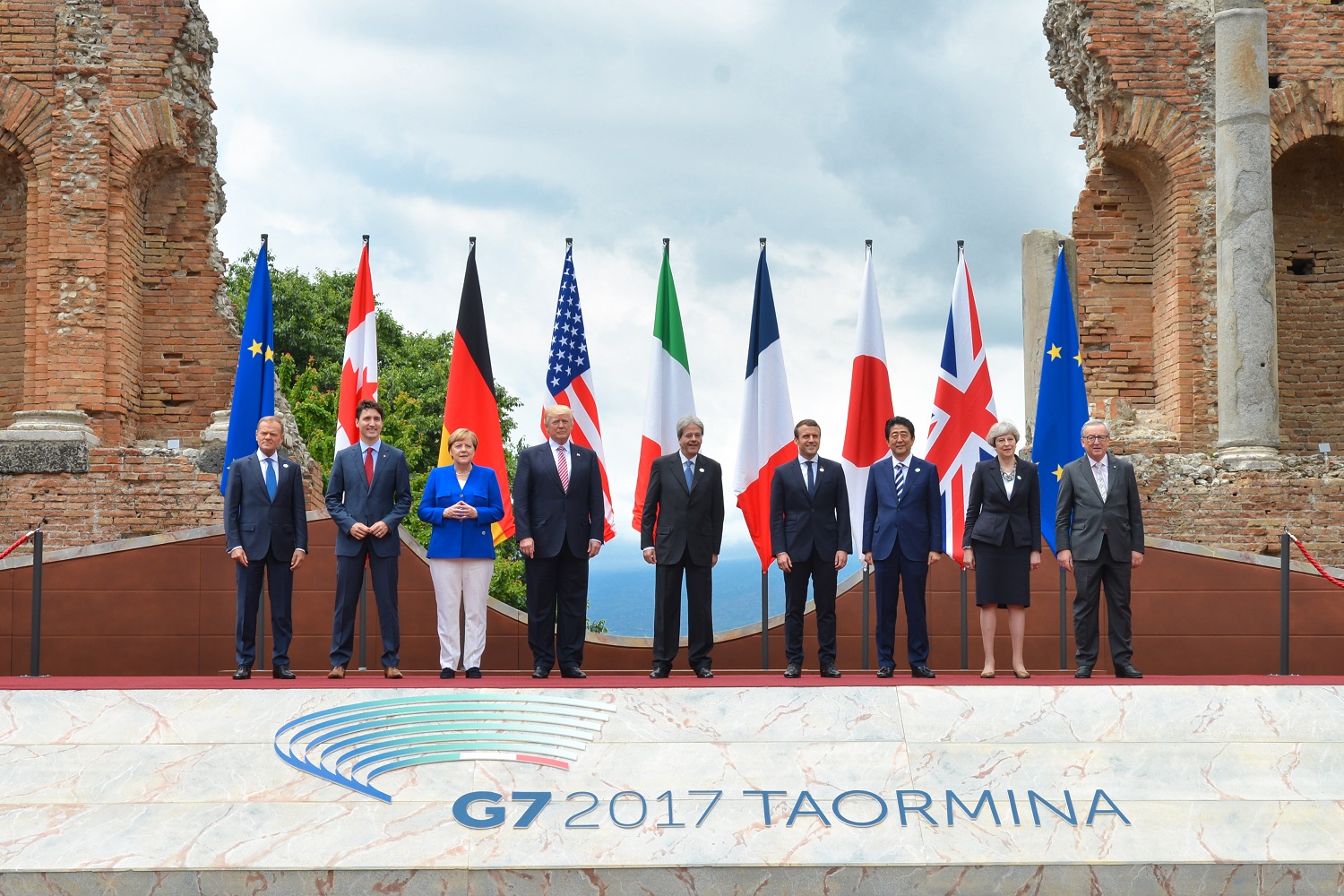
President Donald Trump defended a memorandum of understanding signed with Iran during the closing days of the G7 summit in France.
The agreement is intended to prevent Tehran from acquiring a nuclear weapon and end the current war. If successful, the deal would also reopen the Strait of Hormuz to ensure the flow of global trade.
Trump said the memorandum was signed on Sunday and before his departure from the summit on Monday. The event took place in Evian‑les‑Bains, France. While the president described the arrangement as a means to secure peace, he provided few new details regarding the specific terms of the agreement.
Reports regarding the status of the deal have been mixed. Some accounts indicate that Trump said a deal had been reached, while other reports suggest he described the peace deal as not final and urged against rushing the process.
Financial elements of the arrangement have also surfaced in reporting. Some sources link the Iran deal to gold bars valued at $40 million [1].
Trump made an early exit from the summit. He said the conflict between Israel and Iran was the reason for his departure.
Despite the signing of the memorandum, the lack of specific public details has led to questions about the agreement's durability. The U.S. administration maintains that the memorandum is a critical step toward regional stability and nuclear non-proliferation.
“The agreement is intended to prevent Tehran from acquiring a nuclear weapon and end the current war.”
The ambiguity surrounding the finality of the memorandum suggests a volatile diplomatic environment where the U.S. is attempting to balance immediate conflict cessation with long-term nuclear constraints. The early departure of the U.S. president and the conflicting reports on whether the deal is 'final' indicate that the agreement may be a framework for further negotiation rather than a completed treaty.