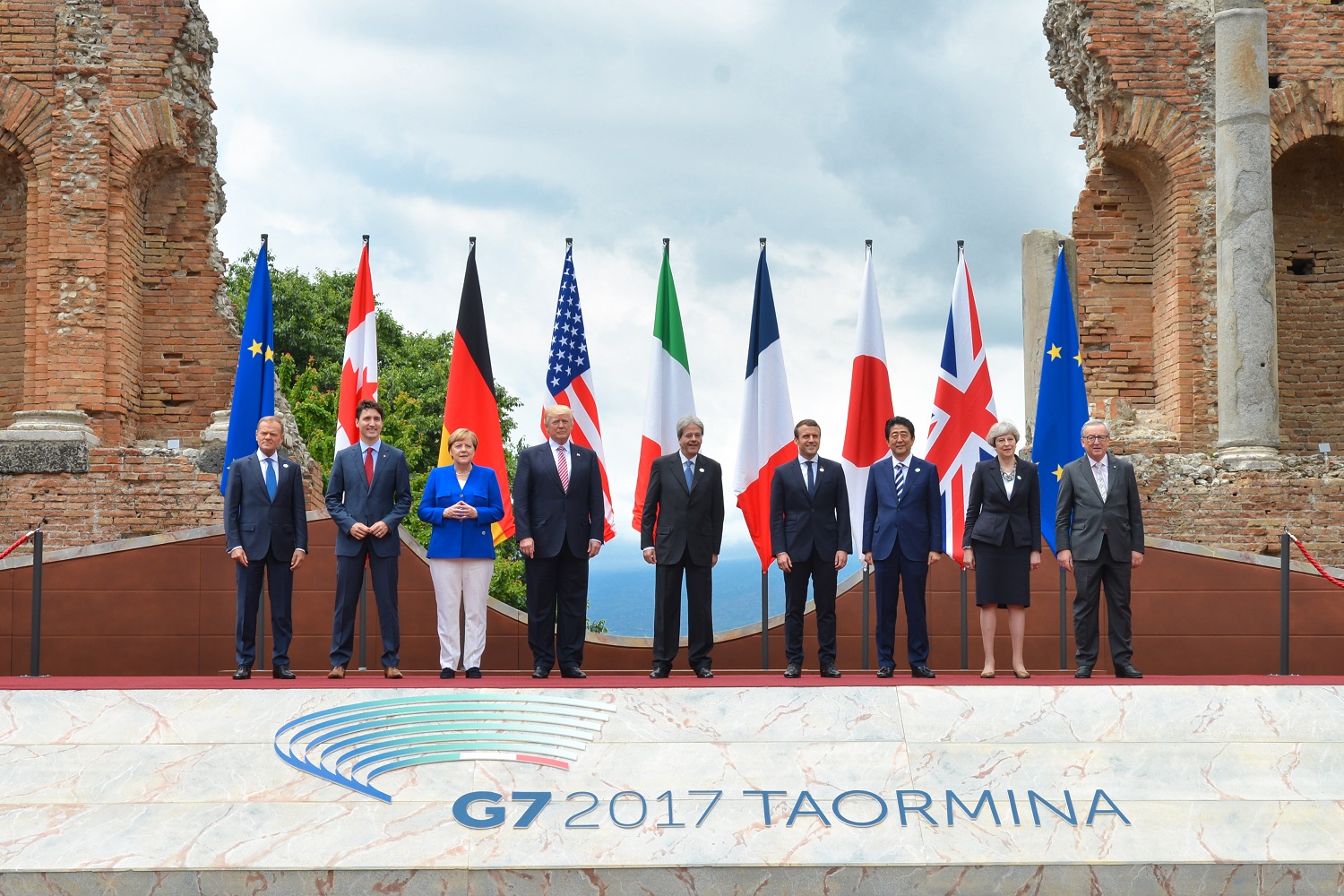
President Donald Trump said the United States is now getting along very well with Iran following a near agreement reached during the G7 summit in Italy [1, 2, 3].
This development suggests a potential shift in diplomatic relations between Washington and Tehran. A successful nuclear agreement could reduce regional tensions, and reassure international allies that a stable deal is imminent [4, 5].
Speaking at the G7 summit venue, Trump said that the two nations are now on good terms [3]. He said that Iran genuinely wants to reach an agreement and that the U.S. is very close to finalizing a deal [2].
Trump said that the details of the agreement will be announced shortly [1]. However, reports on the pace of the negotiations vary. While some sources indicate the parties are very close to a deal, other reports suggest Trump said not to rush the process [5].
Additional reports indicate the discussions may involve a 60-day extension of a ceasefire [6]. This timeframe would provide a window for negotiators to resolve remaining disputes before a permanent agreement is signed.
Trump also addressed the issue of nuclear weapons. He said he will make the final decision on the matter and that Iran will not possess nuclear weapons [7]. Other reports indicate that negotiations remain ongoing, and a final decision has not yet been reached [2].
The President's comments come amid a series of diplomatic efforts to stabilize the Middle East. By signaling a willingness to negotiate, the U.S. administration aims to prevent further escalation while maintaining strict limits on Iran's nuclear capabilities [4, 5].
“"Iran'la artık çok iyi anlaşıyoruz."”
The conflicting reports regarding the speed of the agreement—ranging from 'very close' to 'do not rush'—suggest a volatile negotiation environment. While the mention of a 60-day ceasefire extension indicates a structured diplomatic path, the ultimate outcome depends on Trump's final decision regarding Iran's nuclear status, which remains the primary point of contention.


