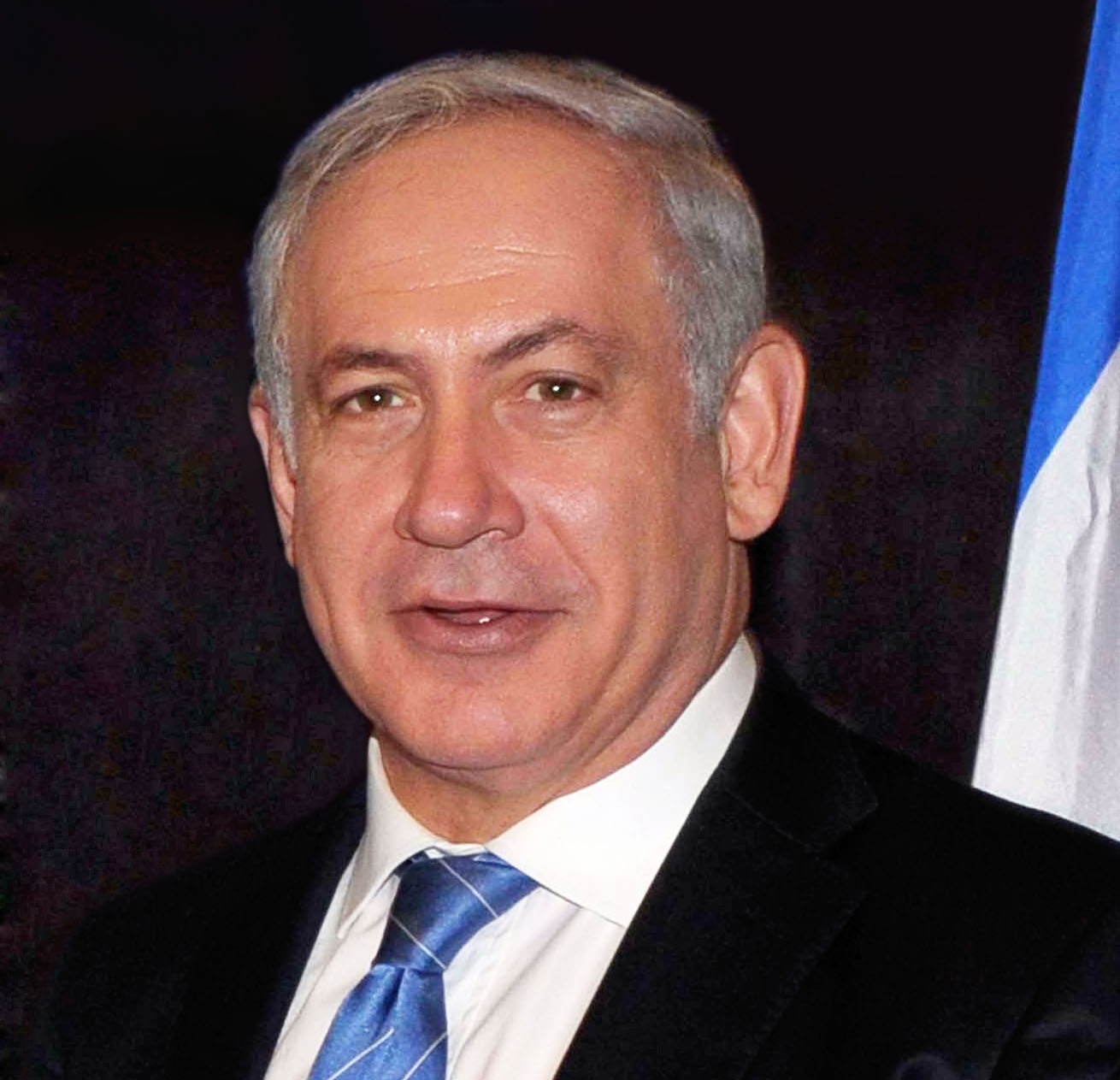
U.S. President Donald Trump urged Israeli Prime Minister Benjamin Netanyahu not to retaliate following a missile barrage launched by Iran [1].
The plea comes at a critical juncture in Middle East diplomacy. A military escalation could collapse fragile negotiations aimed at ending the long-standing conflict between the two nations.
Trump said that a final deal with Iran is very close [2]. He said that such an agreement could be reached within days [1]. The president warned that any Israeli counterstrike would likely prolong the cycle of violence, a cycle he noted has persisted for 47 years [3].
"Hopefully, Israel is not going to retaliate," Trump said. "If Bibi strikes them back, it’s just gonna keep going like the last 47 years" [3].
Despite these warnings, reports indicate that Israel has continued offensive actions [3]. The recent Iranian missile barrage represents the first such attack on Israel since April [4].
The U.S. president previously urged Israel to hold fire after the initial Iranian strike [4]. The current tension highlights a rift between the U.S. administration's desire for a diplomatic resolution and Israel's security strategy regarding Iranian aggression.
Trump said that the diplomatic path is the only way to avoid a permanent state of war. He has repeatedly emphasized the proximity of a deal to persuade the Israeli leadership to exercise restraint [2].
“"We are very close to a final deal with Iran."”
This situation illustrates a tension between immediate military deterrence and long-term diplomatic goals. While the U.S. is prioritizing a comprehensive peace deal to stabilize the region, Israel's decision to continue offensive actions suggests a lack of confidence in the deal's ability to ensure national security. The outcome depends on whether the promised deal provides enough guarantees to outweigh Israel's perceived need for a retaliatory strike.

'%2F%3E%0A%20%20%20%20%3Crect%20width%3D'1600'%20height%3D'900'%20fill%3D'url(%23v)'%2F%3E%0A%20%20%20%20%3Cg%20opacity%3D'0.08'%20fill%3D'%23ffffff'%3E%0A%20%20%20%20%20%20%3Ccircle%20cx%3D'1420'%20cy%3D'180'%20r%3D'220'%2F%3E%0A%20%20%20%20%20%20%3Ccircle%20cx%3D'1500'%20cy%3D'760'%20r%3D'120'%2F%3E%0A%20%20%20%20%3C%2Fg%3E%0A%20%20%20%20%3Cline%20x1%3D'80'%20y1%3D'172'%20x2%3D'220'%20y2%3D'172'%20stroke%3D'%23ffffff'%20stroke-width%3D'3'%20stroke-opacity%3D'0.6'%2F%3E%0A%20%20%20%20%3Ctext%20x%3D'80'%20y%3D'140'%20font-family%3D'Inter%2C%20-apple-system%2C%20Helvetica%2C%20sans-serif'%20font-weight%3D'700'%20font-size%3D'28'%20fill%3D'%23ffffff'%20letter-spacing%3D'6'%3EHANNA%20%C2%B7%20NEWS%3C%2Ftext%3E%0A%20%20%20%20%3Ctext%20x%3D'80'%20y%3D'230'%20font-family%3D'Inter%2C%20-apple-system%2C%20Helvetica%2C%20sans-serif'%20font-weight%3D'600'%20font-size%3D'40'%20fill%3D'%23ffffffb3'%20letter-spacing%3D'4'%3EBUSINESS%3C%2Ftext%3E%0A%20%20%20%20%3Ctext%20x%3D'80'%20y%3D'622'%20font-family%3D'Playfair%20Display%2C%20Georgia%2C%20serif'%20font-weight%3D'800'%20font-size%3D'86'%20fill%3D'%23ffffff'%20letter-spacing%3D'-1'%3ETMC%20MP%20Sukhendu%20Sekhar%20Ray%3C%2Ftext%3E%3Ctext%20x%3D'80'%20y%3D'721'%20font-family%3D'Playfair%20Display%2C%20Georgia%2C%20serif'%20font-weight%3D'800'%20font-size%3D'86'%20fill%3D'%23ffffff'%20letter-spacing%3D'-1'%3EResigns%20From%20Party%20and%20Rajya%3C%2Ftext%3E%3Ctext%20x%3D'80'%20y%3D'820'%20font-family%3D'Playfair%20Display%2C%20Georgia%2C%20serif'%20font-weight%3D'800'%20font-size%3D'86'%20fill%3D'%23ffffff'%20letter-spacing%3D'-1'%3ESabha%3C%2Ftext%3E%0A%20%20%20%20%3Ctext%20x%3D'80'%20y%3D'870'%20font-family%3D'Inter%2C%20-apple-system%2C%20Helvetica%2C%20sans-serif'%20font-weight%3D'500'%20font-size%3D'22'%20fill%3D'%23ffffff66'%20letter-spacing%3D'2'%3Enews.hanna-ai.com%3C%2Ftext%3E%0A%20%20%3C%2Fsvg%3E)