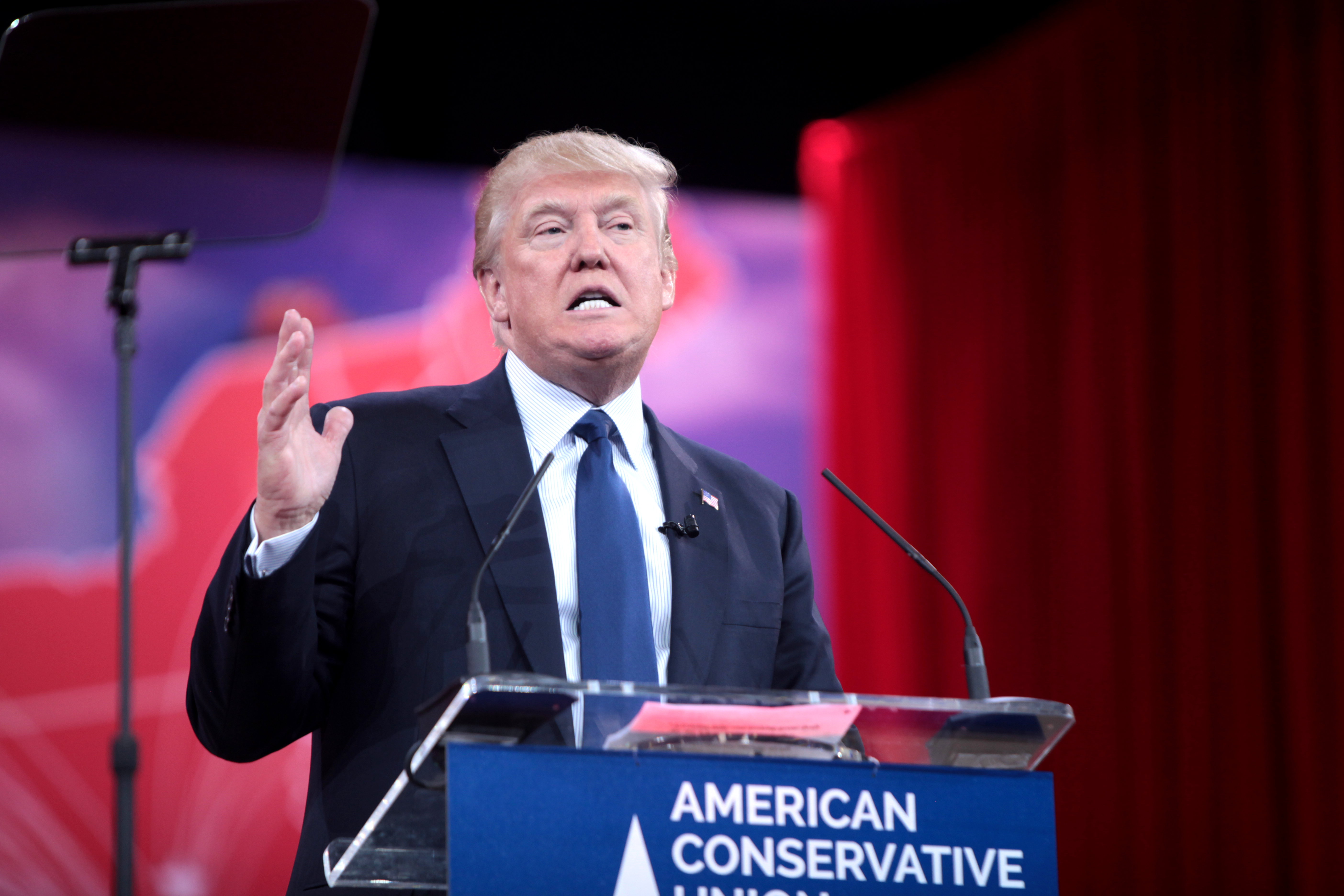
President Donald Trump (R-FL) said Wednesday he would blame Sen. JD Vance (R-OH) if a new nuclear agreement with Iran does not succeed [1].
The comment highlights the political stakes surrounding the U.S.–Iran memorandum of understanding, as the administration seeks to navigate a complex diplomatic landscape while managing internal political optics.
Speaking June 17, 2026 [1], Trump said he addressed questions regarding the deal and the role Vance played in its development. The president used humor to deflect potential criticism regarding the future of the agreement, suggesting a strategy of selective credit.
"If the deal works out, I'll take the credit; if it doesn't, I'll blame Vance," Trump said [3].
Despite the jokes, the president expressed some hesitation about the specific nature of the agreement. He questioned whether the memorandum was the appropriate vehicle for the deal, noting it "might not be the kind of document that I should be signing," he said [4].
Trump later reinforced the joke during his remarks, stating, "I'm blaming JD," he said [2].
The interaction occurred as the administration continues to negotiate the terms of the nuclear framework. While the president maintains a public posture of confidence in his ability to secure favorable terms, the remarks suggest a willingness to distance himself from the outcome should the deal collapse.
“"If the deal works out, I'll take the credit; if it doesn't, I'll blame Vance."”
The president's remarks reflect a recurring rhetorical pattern of claiming success for personal wins while assigning failure to subordinates or allies. By framing the Iran deal's potential failure around Senator Vance, Trump creates a political buffer that protects his own image as a negotiator regardless of the diplomatic outcome.