
U.S. President Donald Trump and Chinese President Xi Jinping held a high-profile summit in Beijing to discuss trade and regional stability.
The meeting marks a significant attempt to reduce tensions between the world's two largest economies. While the visual narrative emphasized cooperation, the actual impact of the talks remains a point of contention among observers.
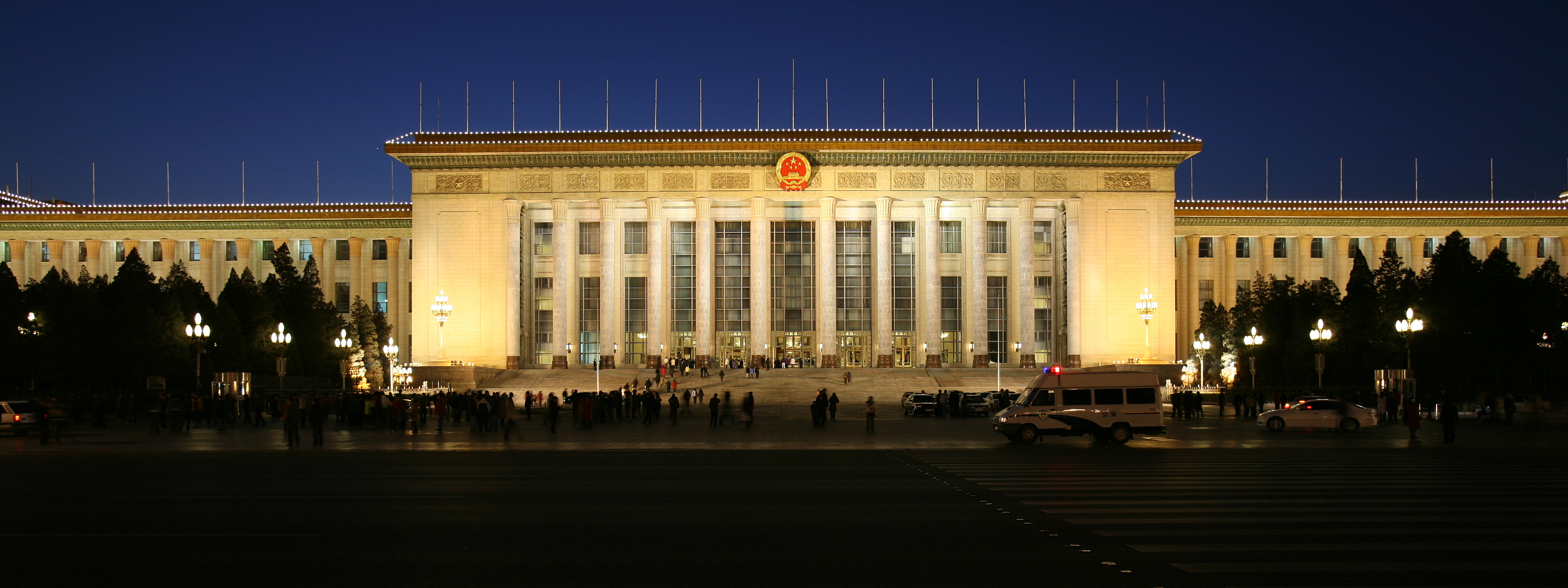
The visit lasted 43 hours [1], concluding when Trump left Beijing on May 15, 2024 [2]. The itinerary was characterized by a mix of substantive trade discussions and highly staged ceremonies. These events included a state banquet at the Great Hall of the People, and a photo opportunity at the Temple of Heaven [1], [3].
Officials focused on trade agreements and the stability of the region, with a specific emphasis on Taiwan [3]. The summit aimed to project a visual narrative of cooperation to the global community — a strategy that some analysts describe as a carefully scripted showcase of ceremonial splendor [1].
There is a lack of consensus regarding the tangible results of the visit. The Brookings Institution said Trump returned with trade deals and stability [2]. However, other reports suggest the summit emphasized symbols over substance [1].
Throughout the 43-hour visit [1], the two leaders sought to signal a diplomatic thaw. This effort occurred against a backdrop of structural strain and ongoing disputes over regional security, and economic competition [1], [3].
“The visit was a tightly scripted 43-hour showcase of ceremonial splendor”
The discrepancy between the ceremonial success of the summit and the reported outcomes suggests a gap between diplomatic optics and policy reality. While the imagery of the Great Hall of the People signals a desire for stability, the lack of unified reporting on specific trade deals indicates that structural tensions between the U.S. and China remain unresolved despite the symbolic gestures.


