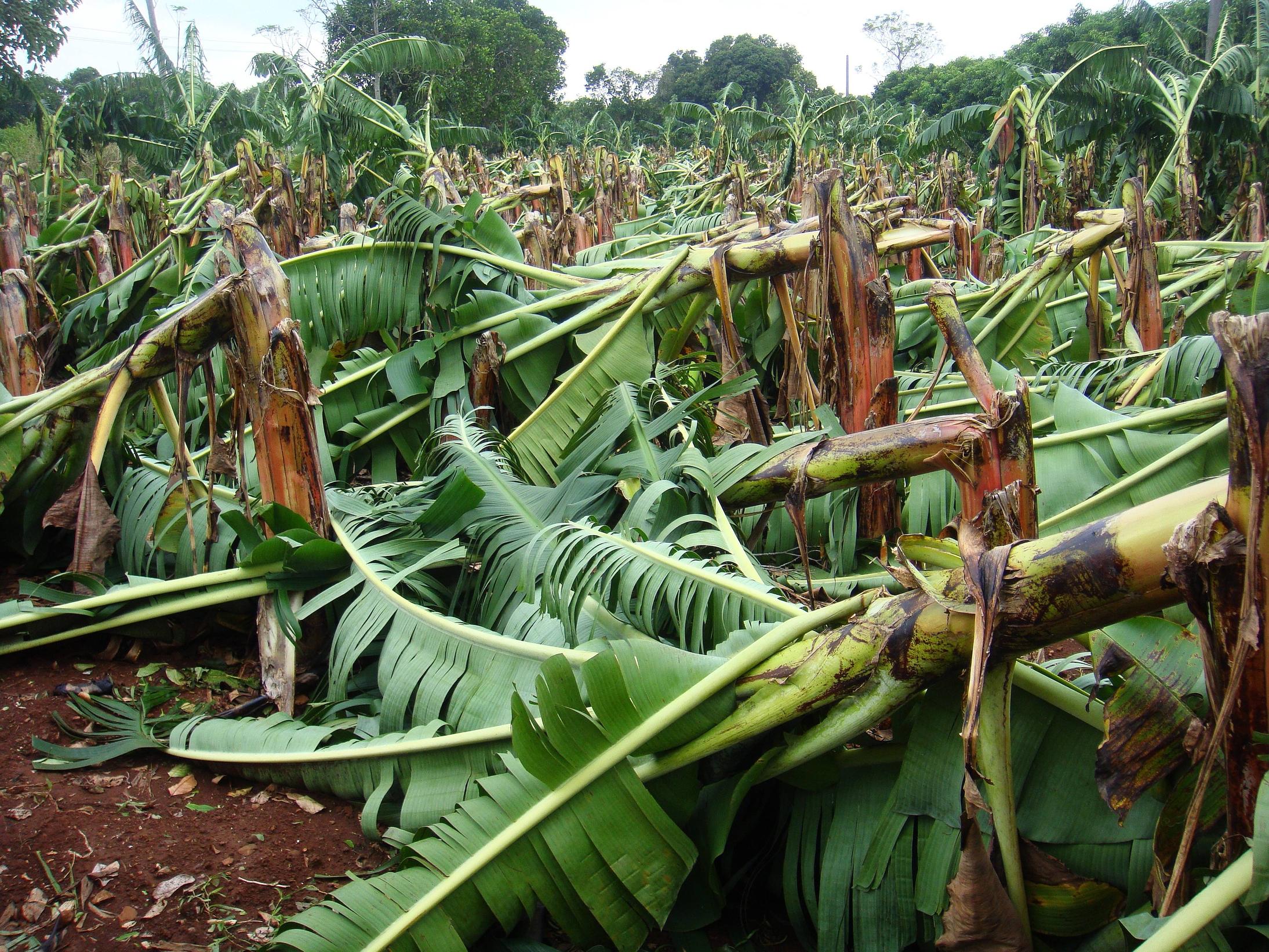
Typhoon Bavi slammed into China's east coast this week, prompting the evacuation of more than 1.8 million people [3].
The scale of the displacement underscores the volatility of the current storm season, which has been unusually active [1]. The storm's impact on Zhejiang province created an immediate humanitarian challenge for local authorities managing the mass movement of residents from coastal cities.
In Zhejiang province, the storm produced wind gusts of up to 150 km/h [1]. This wind was accompanied by hundreds of millimetres of rain [1], which flooded urban centers, and rural areas. The cities of Wenzhou and Taizhou were among the hardest hit as the system moved inland [1].
Before reaching the Chinese mainland, Bavi demonstrated extreme intensity in the Pacific. The storm recorded maximum sustained winds of 285 km/h on the island of Rota [5]. Other areas affected by the cyclone's path included Guam and the Northern Marianas [1].
Reports on the storm's strength varied as it made landfall. Some data indicated the system weakened to a tropical storm by July 12 [6]. Other reports described the system as remaining a dangerous super-typhoon during its impact [1].
Chinese authorities coordinated the evacuations to mitigate casualties from storm surges and flooding. While some reports estimated the number of evacuees at more than one million [4], other figures placed the total at over 1.8 million [3].
“Typhoon Bavi slammed into China's east coast this week, prompting the evacuation of more than 1.8 million people.”
The intensity of Typhoon Bavi and the resulting mass evacuations highlight the increasing vulnerability of China's densely populated coastal provinces to extreme weather. The discrepancy in reported storm strength and evacuation numbers suggests the chaotic nature of real-time disaster management during a highly active storm season.


