
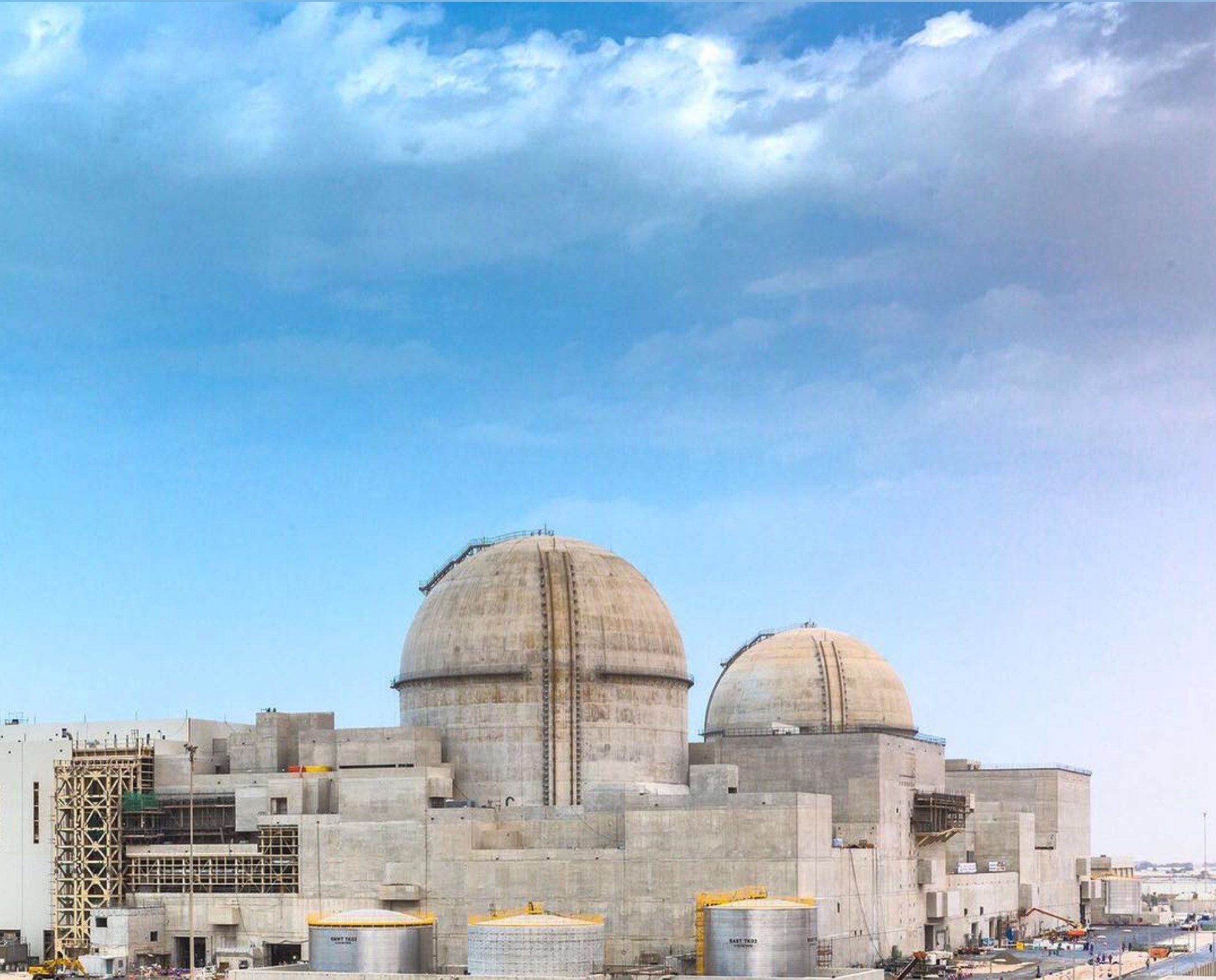
A drone strike ignited a fire at an electrical generator on the perimeter of the Barakah Nuclear Power Plant in Abu Dhabi on Sunday [1].
The incident marks a rare direct kinetic attack on the perimeter of a nuclear facility in the Middle East, raising concerns about regional security and the vulnerability of critical energy infrastructure.
United Arab Emirates authorities, including the UAE nuclear regulator and emergency services, responded to the blaze in the Al Dhafra region [1]. Officials said that zero injuries occurred as a result of the strike [1]. The fire was confined to an electrical generator located outside the main facility's secure perimeter [2].
No group has claimed responsibility for the attack [2]. However, some reports indicate that suspicion has fallen on Iran amid heightened regional tensions [3]. The UAE has not officially named a perpetrator in its initial reports.
The Barakah plant is a cornerstone of the UAE's energy strategy to diversify away from hydrocarbons. The perimeter strike occurred on May 17, 2026 [1]. Emergency teams worked to contain the fire and ensure that the plant's core operations remained unaffected by the external blaze [1].
Regional observers note that the use of unmanned aerial vehicles to target infrastructure has become more frequent in the Gulf region. While the strike did not penetrate the primary containment areas of the nuclear plant, the breach of the facility's outer defenses signals a potential escalation in tactics used by regional actors [3].
“A drone strike ignited a fire at an electrical generator on the perimeter of the Barakah Nuclear Power Plant.”
This event underscores the evolving threat of drone warfare against critical infrastructure. By targeting the perimeter of a nuclear site, the attacker demonstrated the ability to bypass outer security layers without necessarily triggering a catastrophic nuclear event, potentially serving as a strategic signal of capability rather than an attempt at mass destruction.


