Ukraine announced it targeted the Saratov oil refinery on the Volga River and received a German-made Iris-T air-defense launch system [1].
These developments signal a dual strategy of degrading Russian economic infrastructure while strengthening domestic airspace protection against aerial assaults. By hitting energy assets, Ukraine aims to disrupt the financial and logistical foundations of the Russian war economy [1].
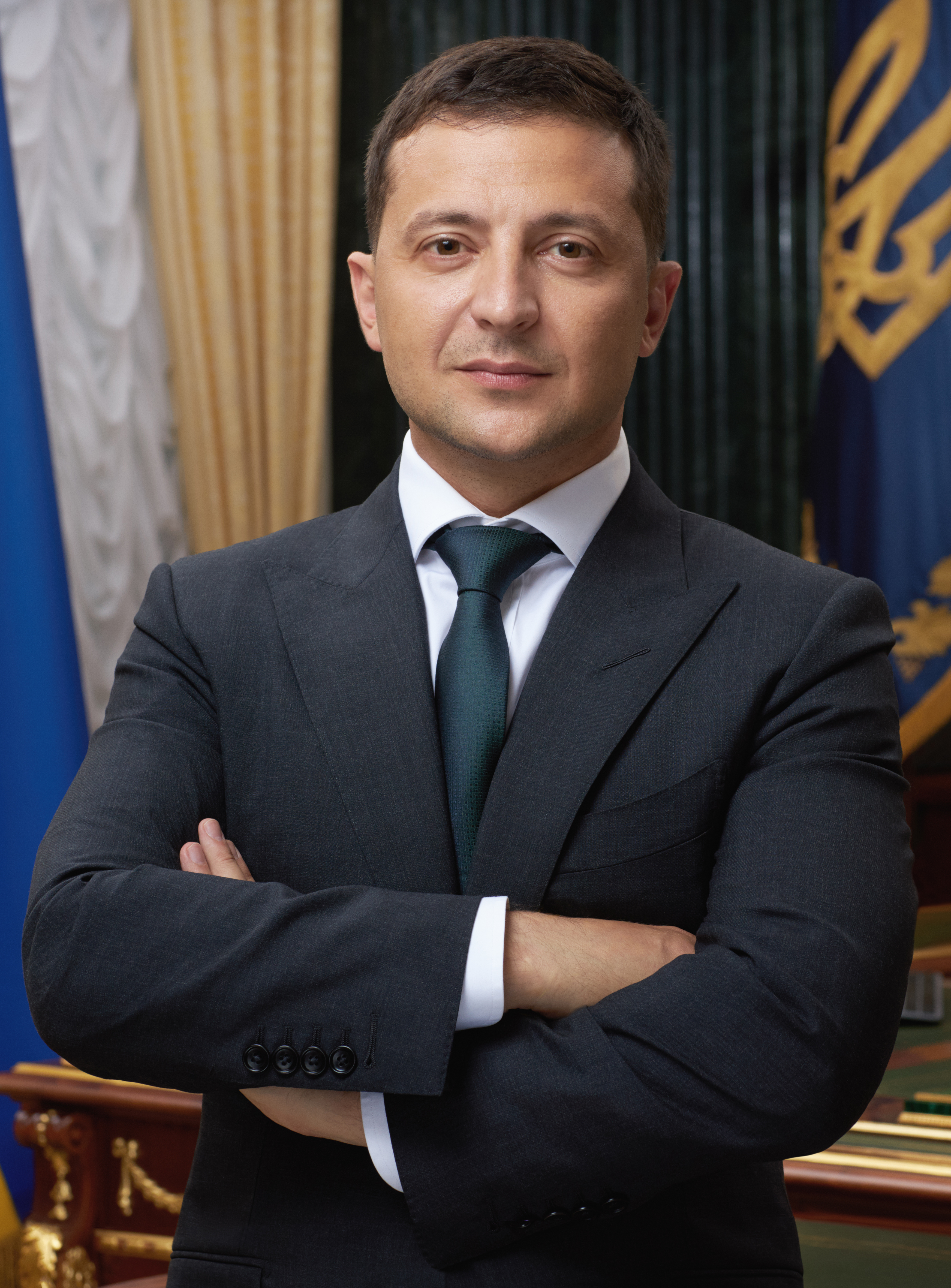
President Volodymyr Zelenskyy said the Iris-T system was delivered during a briefing [1]. The German-made technology is intended to bolster Ukraine's air defenses, particularly as the country faces ongoing Russian attacks near NATO borders [1].
The strike on the Saratov oil refinery represents a continued effort to push the conflict's operational reach deeper into Russian territory [1]. Targeting refineries on the Volga River disrupts fuel production and distribution, key components for maintaining military mobility and industrial output [1].
Germany's provision of the Iris-T system arrives as part of a broader pattern of Western military support [1]. This specific launch system is designed to intercept a variety of aerial threats, providing a critical layer of security for Ukrainian cities and strategic sites [1].
Ukrainian officials said the operations are focused on degrading assets that directly support the Russian military effort [1]. The synchronization of offensive strikes on energy hubs and the acquisition of advanced defensive hardware suggests a shift toward a more balanced posture of attrition and protection [1].
“Ukraine announced it targeted the Saratov oil refinery on the Volga River”
The simultaneous announcement of an offensive strike on a Russian energy hub and the receipt of advanced German air defense hardware highlights Ukraine's strategy of 'asymmetric attrition.' By targeting oil refineries, Ukraine attempts to choke the revenue and fuel supplies necessary for the Russian military. Meanwhile, the Iris-T system reduces the effectiveness of Russian retaliatory strikes, potentially stabilizing the front lines and protecting civilian infrastructure near NATO borders.