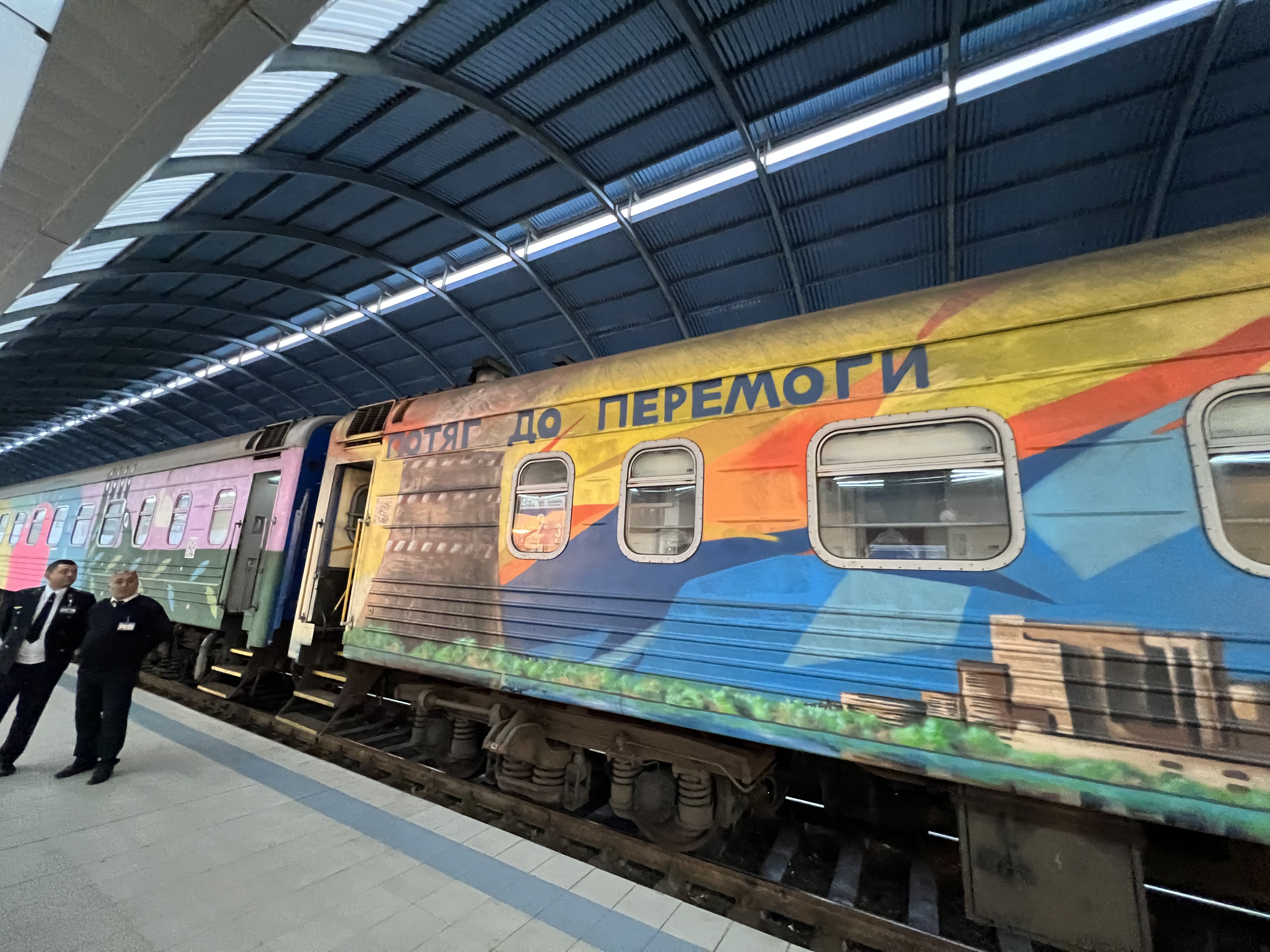
More Ukrainians are returning home from abroad than leaving the country for the first time since the war began [1].
This shift indicates a potential change in the demographic trajectory of the conflict, as the nation attempts to recover its workforce and population despite ongoing security risks.
Reports indicate that hundreds of thousands of people are making the journey back [4]. This movement has led to visible congestion at several border checkpoints, particularly those connecting Ukraine and Poland [5].
Returnees cite a combination of professional frustration and economic pressure as primary drivers. Many refugees found themselves in professional dead-ends due to the difficulty of getting foreign credentials recognized. One Ukrainian doctor, Daria, said it would take 12 years for her medical diploma to be recognized in Germany [1].
Beyond professional barriers, a reduction in European Union assistance has made living abroad less sustainable for some families [3]. These economic factors, combined with a deep longing for home, have outweighed the safety concerns associated with the continuing conflict [3].
Individuals like Sofia and Daria represent a growing trend of citizens who prioritize familial and national ties over the stability offered by host countries [1]. The return is recorded as a net positive movement for the first time since the war started in 2022 [1, 2].
“More Ukrainians are returning home from abroad than leaving the country for the first time since the war began.”
The trend of net repatriation suggests that the initial wave of mass displacement is meeting a ceiling of sustainability in host countries. As EU financial support wanes and professional integration proves difficult, the perceived cost of remaining abroad is beginning to exceed the risks of returning to a conflict zone. This could provide Ukraine with a critical boost in human capital and labor, though it also places additional pressure on domestic infrastructure and security.