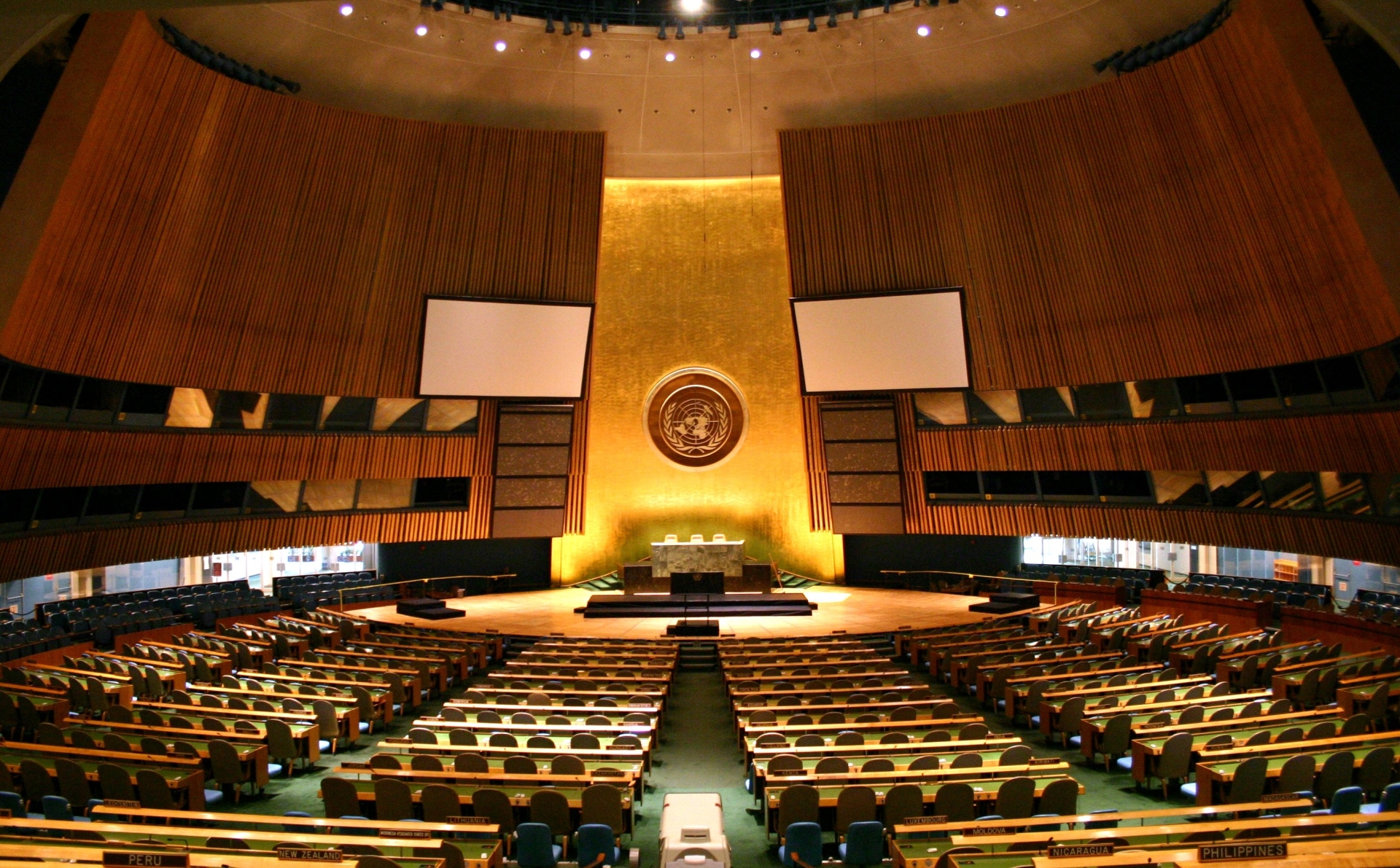
The United Nations General Assembly decided to roll over the Intergovernmental Negotiations on Security Council reform into its 81st session [1].
This move extends a long-stalled effort to modernize the UN's primary organ for international peace and security. The delay reflects the difficulty of reaching a global consensus on how to redistribute power within the organization.
Negotiations aim to restructure the 15-member Security Council to make it more effective [1]. However, the process has faced significant hurdles, with discussions stalling after 17 rounds [2]. The talks are now scheduled to resume during the upcoming session in September [1].
Different member states hold diverging views on the path forward. A Pakistani envoy said the process is the "only legitimate forum" to restructure the body [1]. Conversely, an Indian envoy said they were disappointed over the lack of concrete progress and the ongoing delays [2].
The Security Council currently consists of 15 members [1]. These members are divided between permanent members with veto power, and non-permanent members elected for two-year terms. Critics of the current structure argue that it does not reflect the geopolitical realities of the modern world—a sentiment that has driven the push for reform for nearly two decades.
By moving the talks to the 81st session, the UNGA maintains the formal mechanism for reform while acknowledging that immediate agreement remains elusive [1]. The decision ensures that the Intergovernmental Negotiations remain on the agenda, though it does not provide a specific roadmap for breaking the current deadlock [2].
“The UNGA has decided to 'roll over' the Intergovernmental Negotiations on Security Council reform into its 81st session.”
The decision to defer these talks highlights a systemic deadlock within the UN. While member states agree the Security Council needs reform to remain relevant, the inability to move past 17 rounds of talks suggests that the permanent members and aspiring new members cannot agree on the distribution of veto power or seat allocations. This continued stalemate may weaken the council's perceived legitimacy in resolving global conflicts.
'%2F%3E%0A%20%20%20%20%3Crect%20width%3D'1600'%20height%3D'900'%20fill%3D'url(%23v)'%2F%3E%0A%20%20%20%20%3Cg%20opacity%3D'0.08'%20fill%3D'%23ffffff'%3E%0A%20%20%20%20%20%20%3Ccircle%20cx%3D'1420'%20cy%3D'180'%20r%3D'220'%2F%3E%0A%20%20%20%20%20%20%3Ccircle%20cx%3D'1500'%20cy%3D'760'%20r%3D'120'%2F%3E%0A%20%20%20%20%3C%2Fg%3E%0A%20%20%20%20%3Cline%20x1%3D'80'%20y1%3D'172'%20x2%3D'220'%20y2%3D'172'%20stroke%3D'%23ffffff'%20stroke-width%3D'3'%20stroke-opacity%3D'0.6'%2F%3E%0A%20%20%20%20%3Ctext%20x%3D'80'%20y%3D'140'%20font-family%3D'Inter%2C%20-apple-system%2C%20Helvetica%2C%20sans-serif'%20font-weight%3D'700'%20font-size%3D'28'%20fill%3D'%23ffffff'%20letter-spacing%3D'6'%3EHANNA%20%C2%B7%20NEWS%3C%2Ftext%3E%0A%20%20%20%20%3Ctext%20x%3D'80'%20y%3D'230'%20font-family%3D'Inter%2C%20-apple-system%2C%20Helvetica%2C%20sans-serif'%20font-weight%3D'600'%20font-size%3D'40'%20fill%3D'%23ffffffb3'%20letter-spacing%3D'4'%3EWORLD%3C%2Ftext%3E%0A%20%20%20%20%3Ctext%20x%3D'80'%20y%3D'622'%20font-family%3D'Playfair%20Display%2C%20Georgia%2C%20serif'%20font-weight%3D'800'%20font-size%3D'86'%20fill%3D'%23ffffff'%20letter-spacing%3D'-1'%3ENigeria%20Names%20Junior%20Yellow%3C%2Ftext%3E%3Ctext%20x%3D'80'%20y%3D'721'%20font-family%3D'Playfair%20Display%2C%20Georgia%2C%20serif'%20font-weight%3D'800'%20font-size%3D'86'%20fill%3D'%23ffffff'%20letter-spacing%3D'-1'%3EGreens%20Squad%20for%202028%20World%3C%2Ftext%3E%3Ctext%20x%3D'80'%20y%3D'820'%20font-family%3D'Playfair%20Display%2C%20Georgia%2C%20serif'%20font-weight%3D'800'%20font-size%3D'86'%20fill%3D'%23ffffff'%20letter-spacing%3D'-1'%3ECup%20Qualifiers%3C%2Ftext%3E%0A%20%20%20%20%3Ctext%20x%3D'80'%20y%3D'870'%20font-family%3D'Inter%2C%20-apple-system%2C%20Helvetica%2C%20sans-serif'%20font-weight%3D'500'%20font-size%3D'22'%20fill%3D'%23ffffff66'%20letter-spacing%3D'2'%3Enews.hanna-ai.com%3C%2Ftext%3E%0A%20%20%3C%2Fsvg%3E)