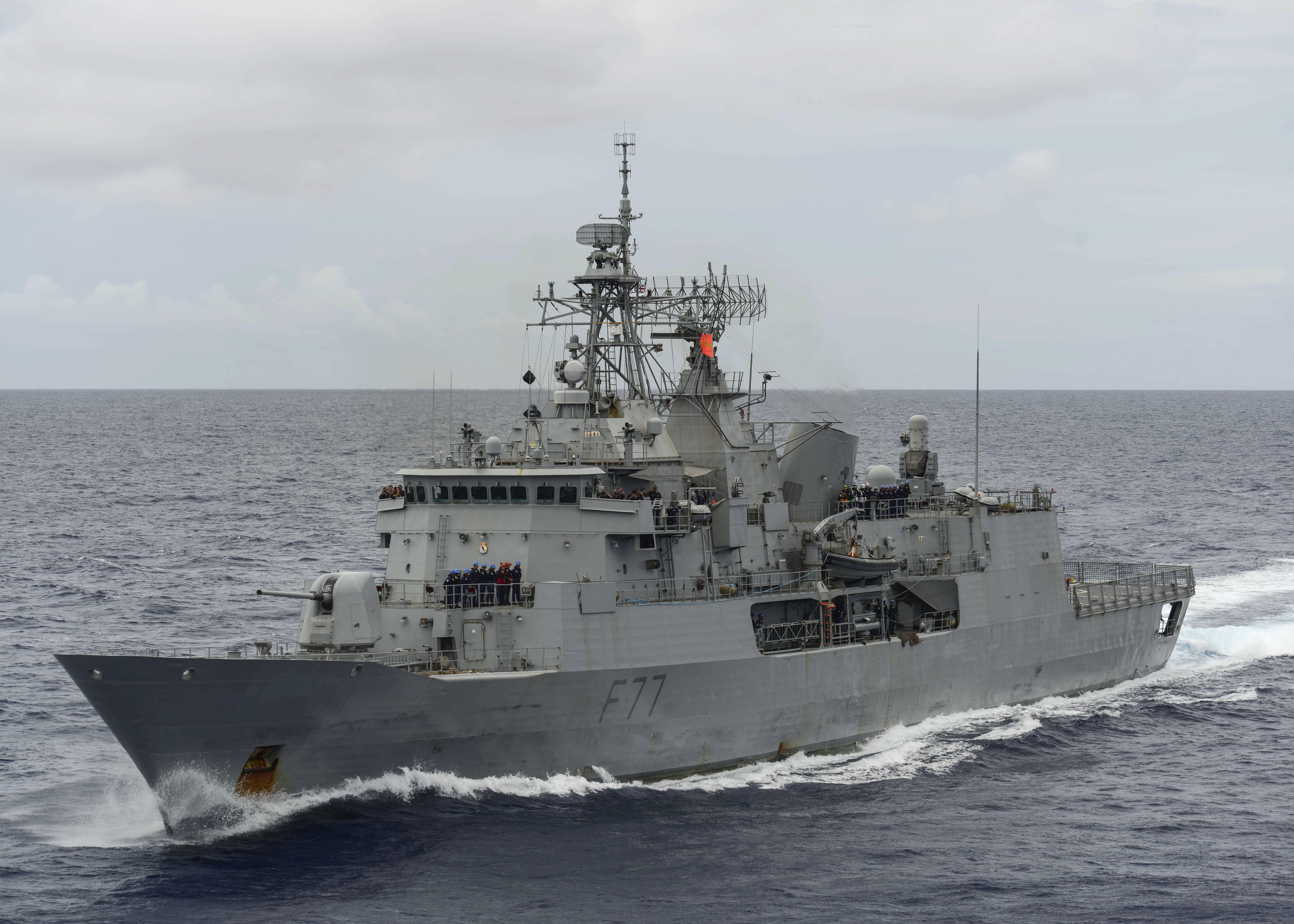
U.S. Ambassador Robert Wood Johnson Jr. suggested time travel could resolve New Zealand's nuclear-free laws during a visit by the USS Nimitz [1].
The exchange highlights the long-standing diplomatic tension between the two allies over New Zealand's refusal to allow nuclear-armed vessels in its waters. While the U.S. seeks deeper security integration, New Zealand maintains a strict legal ban on nuclear weapons.
The friction surfaced as the USS Nimitz, a U.S. aircraft carrier [1], visited New Zealand. During the proceedings, Ambassador Wood Johnson suggested that the only way to fix the current nuclear policy restrictions would be through time travel.
New Zealand Defence Minister Lloyd Luxon responded by advising the ambassador to "read a bit more history," Luxon said [1]. The minister emphasized that the country's stance on nuclear weapons is a settled matter of national policy.
"We’ve been very clear that this is our decision," Luxon said [1].
Despite the clash over policy, both officials acknowledged the broader strength of the bilateral relationship. The U.S. continues to engage with the Pacific nation to reassure it of American commitment to regional security, and stability.
Ambassador Wood Johnson noted the ongoing cooperation between the two governments. He said "the US has made it clear they are committed to working with us" [1].
The visit of the USS Nimitz serves as a visible reminder of the U.S. military presence in the Pacific, though it remains subject to the legal constraints of New Zealand's nuclear-free legislation.
“"read a bit more history"”
This interaction underscores the persistent ideological divide between U.S. strategic military requirements and New Zealand's sovereign commitment to a nuclear-free zone. While the two nations maintain a strong security partnership, the 'nuclear thing' remains a rare point of fundamental disagreement that resists traditional diplomatic resolution.


