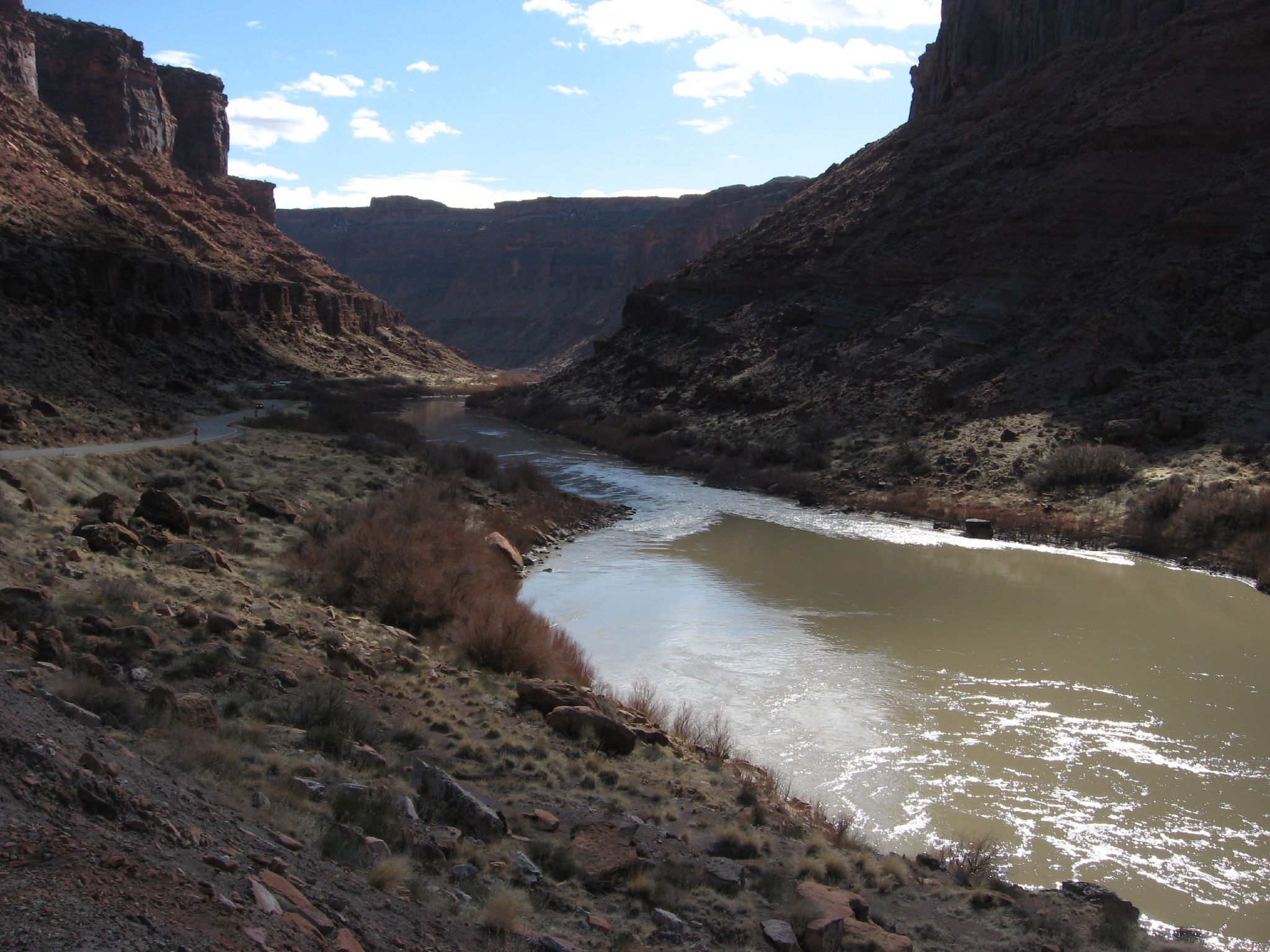
The U.S. federal government proposed cutting Colorado River water allocations for Arizona, California, and Nevada in late July [1].
These reductions aim to prevent a total collapse of the region's water supply as historic shortages threaten the stability of the Lake Mead reservoir [1].
The proposal comes from the Trump administration and involves the three basin states to avert a wider Colorado River crisis [1]. According to reports, reservoir levels have fallen to lows not seen since 1957 [1]. This decline has forced officials to develop a drought plan to manage the dwindling supply across the Southwest.
Nevada faces some of the most significant impacts under the current proposal. The state's water allocation would be reduced by one-sixth [2]. Local officials said these represent the strictest Lake Mead reductions in modern history [2].
Arizona and California are also slated for overall reductions in their water shares [1], [3]. The plan seeks to balance the immediate need for water conservation, and the long-term viability of the river system. State officials have begun outlining how these federal cuts will be implemented across their respective jurisdictions [3].
Because the Colorado River provides essential water for millions of people and vast agricultural sectors, the proposal marks a critical shift in water management. The administration said the cuts are necessary to ensure the reservoir does not reach a point of failure — a scenario that would jeopardize water delivery to major cities and farms across the region [1].
“Reservoir levels have fallen to lows not seen since 1957”
The proposal signals an escalation in federal intervention to manage the Colorado River basin. By imposing the steepest cuts in modern history, the government is prioritizing the physical survival of Lake Mead over the established water rights of individual states. This shift reflects a transition from temporary drought mitigation to a permanent restructuring of water usage in the American Southwest.