The United States and Iran have agreed to a 60-day roadmap to reach a final nuclear-related agreement, mediators from Qatar and Pakistan said Sunday [1].
This diplomatic breakthrough aims to stabilize a volatile region by reducing the risk of military miscalculations in the Strait of Hormuz and extending a fragile cease-fire. The agreement follows the first round of peace talks held during the Lake Lucerne Summit in Switzerland [2, 3].
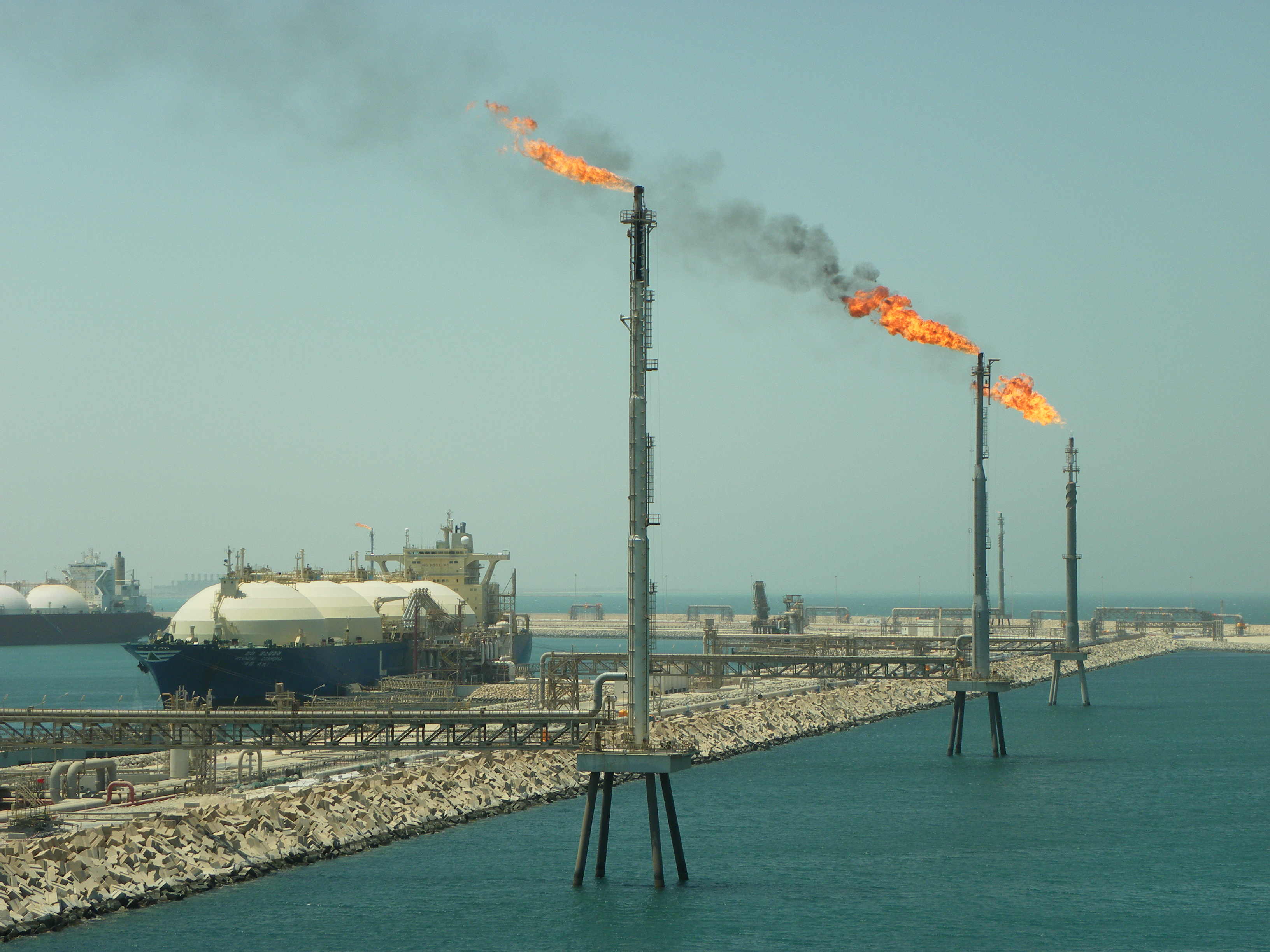
According to the mediators, the two nations agreed to establish a direct communication line to prevent military incidents in the Strait of Hormuz [2]. This measure is intended to safeguard one of the world's most critical maritime chokepoints from accidental escalation [3].
Qatari and Pakistani mediators said the Lake Lucerne Summit was conducted in a positive and constructive atmosphere [2]. The talks concluded on Sunday night, June 20, 2026 [1].
As part of the broader effort to end hostilities, the mediators said that a memorandum of understanding signed last week extended the existing cease-fire by 60 days [2]. This window provides the diplomatic space necessary to finalize the terms of the broader nuclear deal [1].
Additional components of the roadmap include plans to end military operations in Lebanon [3]. The mediators said that the current framework serves as a bridge toward a permanent resolution of the long-standing tensions between Washington and Tehran [2, 3].
“"The United States and Iran agreed to establish a communication line to prevent incidents in Hormuz."”
The establishment of a de-confliction line in the Strait of Hormuz combined with a 60-day deadline suggests a high-stakes effort to prevent a full-scale war. By linking nuclear negotiations with regional military operations in Lebanon and maritime security, the mediators are attempting a comprehensive security package rather than a narrow nuclear treaty.