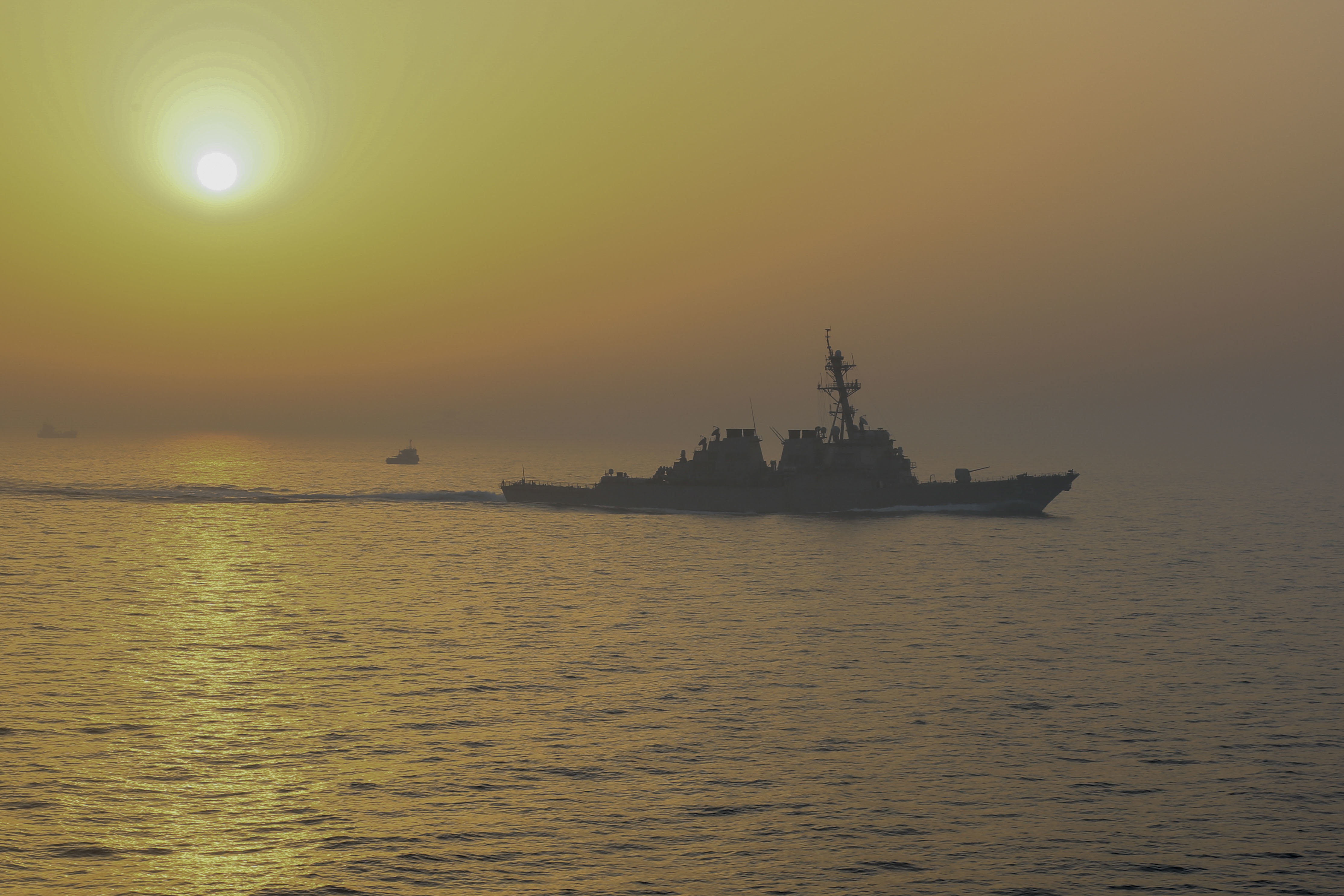
A ceasefire between the U.S. and Iran is facing instability due to nuclear negotiations and tensions in the Strait of Hormuz.
The fragility of the agreement risks returning the region to active conflict. This instability is driven by unresolved nuclear deadlocks and strategic competition over critical shipping lanes, alongside pressure from Israel and Iranian hard-liners.
The ceasefire followed more than 100 days of fighting [1]. While some reports suggest the agreement holds under pressure, other accounts indicate that new attacks have put the peace in peril [2, 3].
President Donald Trump said he tried to keep a fragile ceasefire between Israel and Iran in place [4]. In a separate instance, Trump used a profanity to criticize both Iran and Israel for what he said were violations of the agreement [5]. Despite the friction, Trump said that while he did not want to meet, he would be honored to do so if the opportunity arose [6].
Regional volatility remains centered on the Israel-Iran front and the Strait of Hormuz. The durability of the current peace is expected to be tested over the next 60 days [1]. This period is critical as the parties navigate a conflict that had lasted approximately three months before the initial truce [7].
Discrepancies exist regarding the current status of the truce. Some sources suggest Iran may have broken the ceasefire [4], while others maintain the agreement remains intact despite the mounting pressure [3].
“President Donald Trump tried to keep a fragile ceasefire between Israel and Iran in place.”
The instability of this ceasefire reflects a deeper geopolitical struggle where short-term truces are hampered by long-term strategic goals. The focus on the Strait of Hormuz indicates that economic leverage and maritime security remain primary triggers for escalation, suggesting that any lasting peace depends on resolving nuclear ambitions and regional security guarantees rather than simple cessation of hostilities.