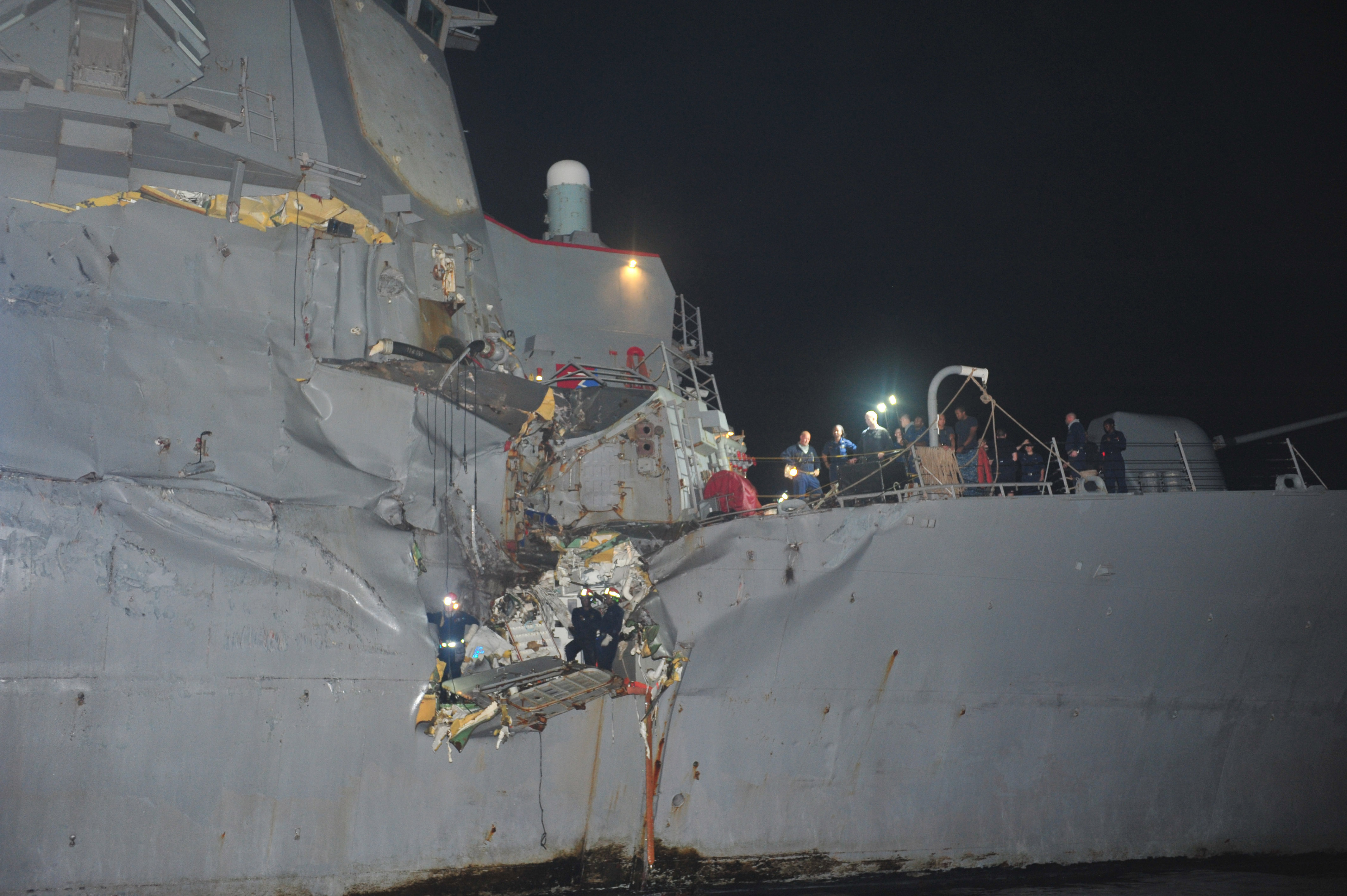
The U.S. and Iran exchanged fire in the Strait of Hormuz this week [1].
The clash occurs amid escalating tensions and a fragile ceasefire between the two nations [1]. Because the Strait of Hormuz is one of the world's most vital oil transit chokepoints, any direct military engagement threatens global energy security and maritime trade.
Reports indicate that naval forces from both countries were involved in the exchange [1]. The incident marks a significant escalation in a region already strained by diplomatic failures and military posturing. While the specific catalyst for the firing remains unclear, the engagement took place within the narrow waterway that connects the Persian Gulf with the Gulf of Oman [1].
International observers are monitoring the situation to determine if the exchange was a localized skirmish or the start of a coordinated offensive. The fragility of the current ceasefire means that small-scale tactical errors can quickly spiral into strategic conflicts, a risk that has increased as both nations maintain a heavy presence in the region [1].
Neither government has provided a detailed casualty count or a full list of assets damaged in the exchange [1]. The U.S. military and Iranian officials have not yet issued comprehensive statements regarding the intent behind the engagement. However, the presence of high-readiness forces in the Strait suggests that both sides were prepared for a potential confrontation [1].
“The United States and Iran exchanged fire in the Strait of Hormuz”
This exchange of fire signals a breakdown in the precarious stability of the Strait of Hormuz. Given the region's role in global oil exports, a transition from sporadic clashes to sustained conflict could trigger immediate volatility in global energy markets and force international shipping companies to reroute vessels, increasing costs worldwide.


