
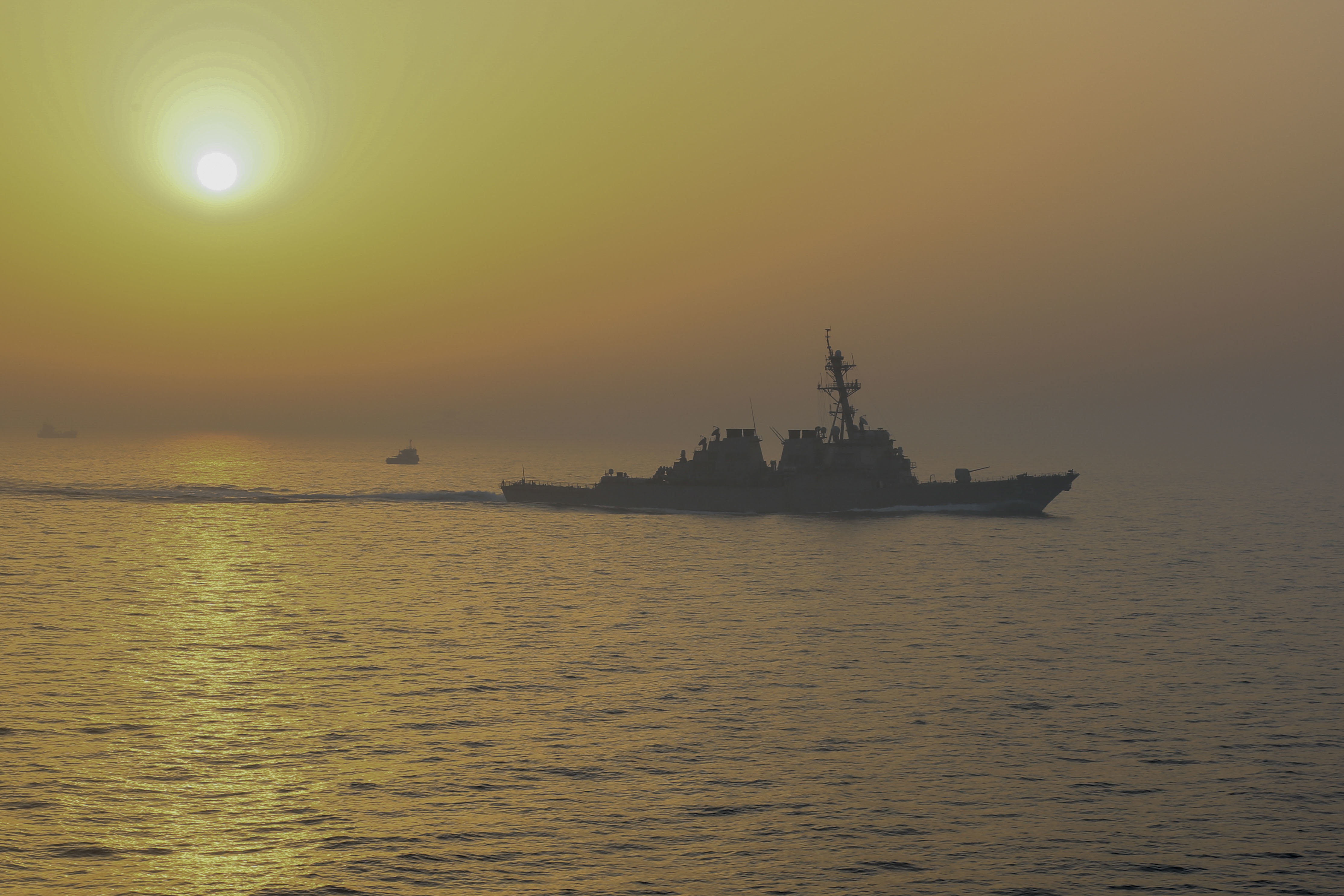
The United States and Iran have reached a draft memorandum of understanding to restore unrestricted shipping through the Strait of Hormuz [1].
The agreement seeks to stabilize one of the world's most critical maritime chokepoints. By addressing naval security and economic sanctions, the deal aims to prevent further military escalation in the region while creating a diplomatic bridge for future negotiations.
Under the terms of the draft, Iran would be required to remove naval mines from the waterway within 30 days [1]. In exchange, the U.S. would grant sanctions waivers on Iranian oil shipments [1]. These measures are designed to restore commercial flow to the strait, a vital artery for global energy markets.
Beyond immediate maritime security, the memorandum establishes a framework for renewed nuclear negotiations [1]. This path toward diplomacy follows years of tension regarding Iran's nuclear program and the collapse of previous agreements.
Despite the progress made by negotiators, the deal is not yet finalized. The memorandum requires the formal approval and signatures of U.S. President Donald Trump and Iran Supreme Leader Ali Khamenei [1]. Until both leaders sign, the terms remain a proposal rather than a binding treaty.
The draft focuses on a phased approach to de-escalation. By linking the removal of physical threats in the Strait of Hormuz to economic relief, both nations are attempting to build a baseline of trust before tackling more complex nuclear issues [1].
“The agreement seeks to stabilize one of the world's most critical maritime chokepoints.”
This draft agreement represents a tactical shift toward stability by prioritizing maritime commerce and oil flow over immediate nuclear resolution. If ratified, the 30-day mine removal window serves as a critical test of Iranian compliance, while the oil waivers provide the economic incentive necessary for Tehran to return to the negotiating table.


