The United States said it struck Iranian military sites following a series of escalations in the Hormuz Strait region [1].
These strikes signal a significant escalation in direct conflict between the two nations. The timing threatens existing peace talks and increases the risk of a wider regional war that could disrupt global shipping lanes.
President Donald Trump said that the U.S. may no longer be able to be reasonable [1]. The administration said the military action was a necessary response to perceived Iranian aggression in the region [1].
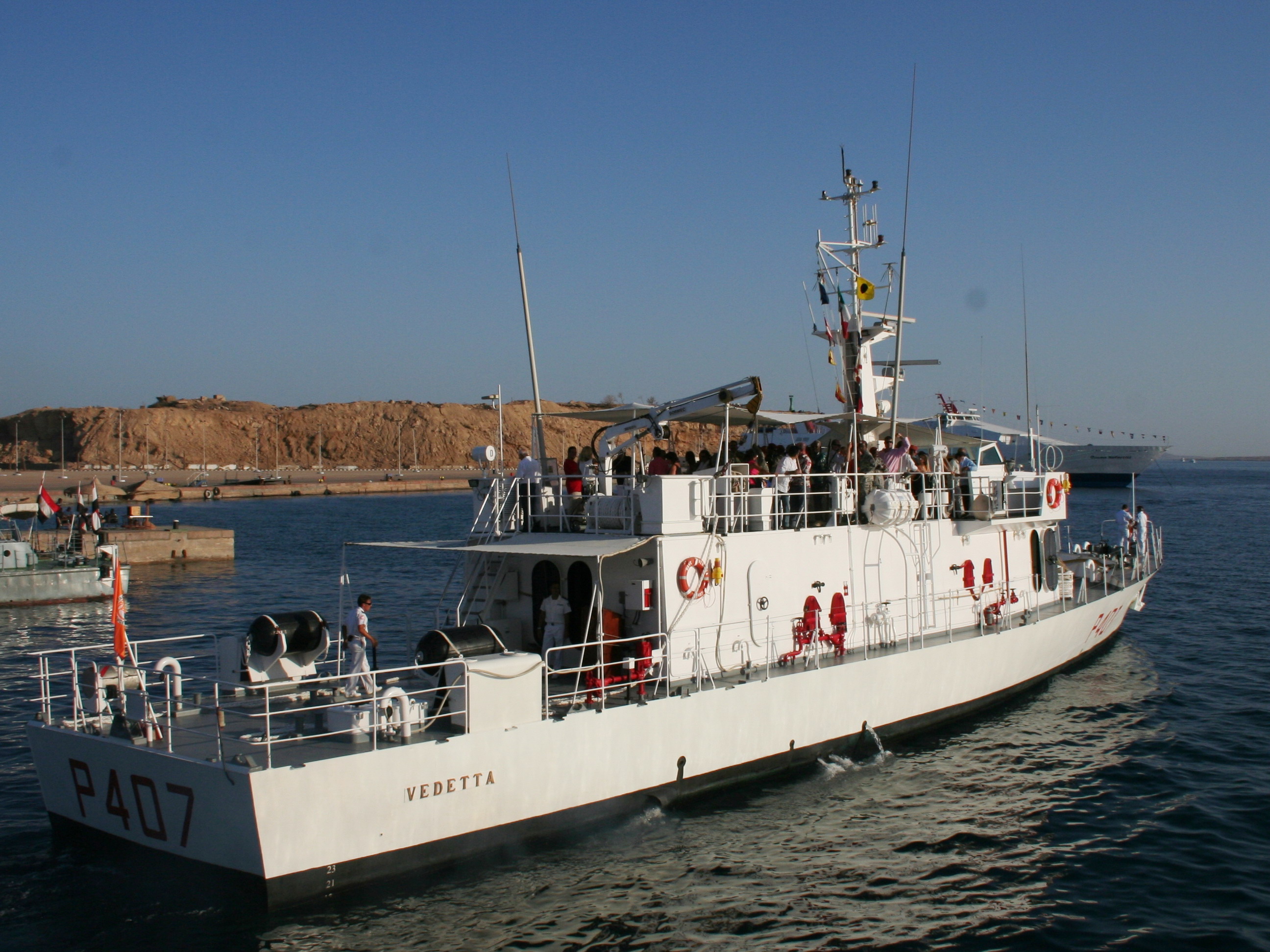
Iran responded by expanding the scope of the conflict's diplomatic fallout. Esmaeil Baqaei, the spokesperson for the Ministry of Foreign Affairs of Iran, said Italy provided technical and logistical support to the U.S. during the operations [1].
This accusation suggests that Tehran views the U.S. strikes not as a bilateral conflict, but as a coordinated effort involving European allies. The involvement of Italy adds a new layer of diplomatic tension within the North Atlantic Treaty Organization, and the European Union.
The U.S. has not yet detailed the specific military sites targeted or the extent of the damage caused. The strikes follow a ship attack in the Hormuz Strait, a critical chokepoint for global oil exports [1].
“"we may no longer be able to be reasonable"”
The shift from diplomatic tension to direct military strikes indicates a breakdown in deterrence. By accusing Italy of logistical involvement, Iran is attempting to internationalize the conflict, potentially pressuring European nations to distance themselves from U.S. military strategy to avoid becoming targets themselves.


