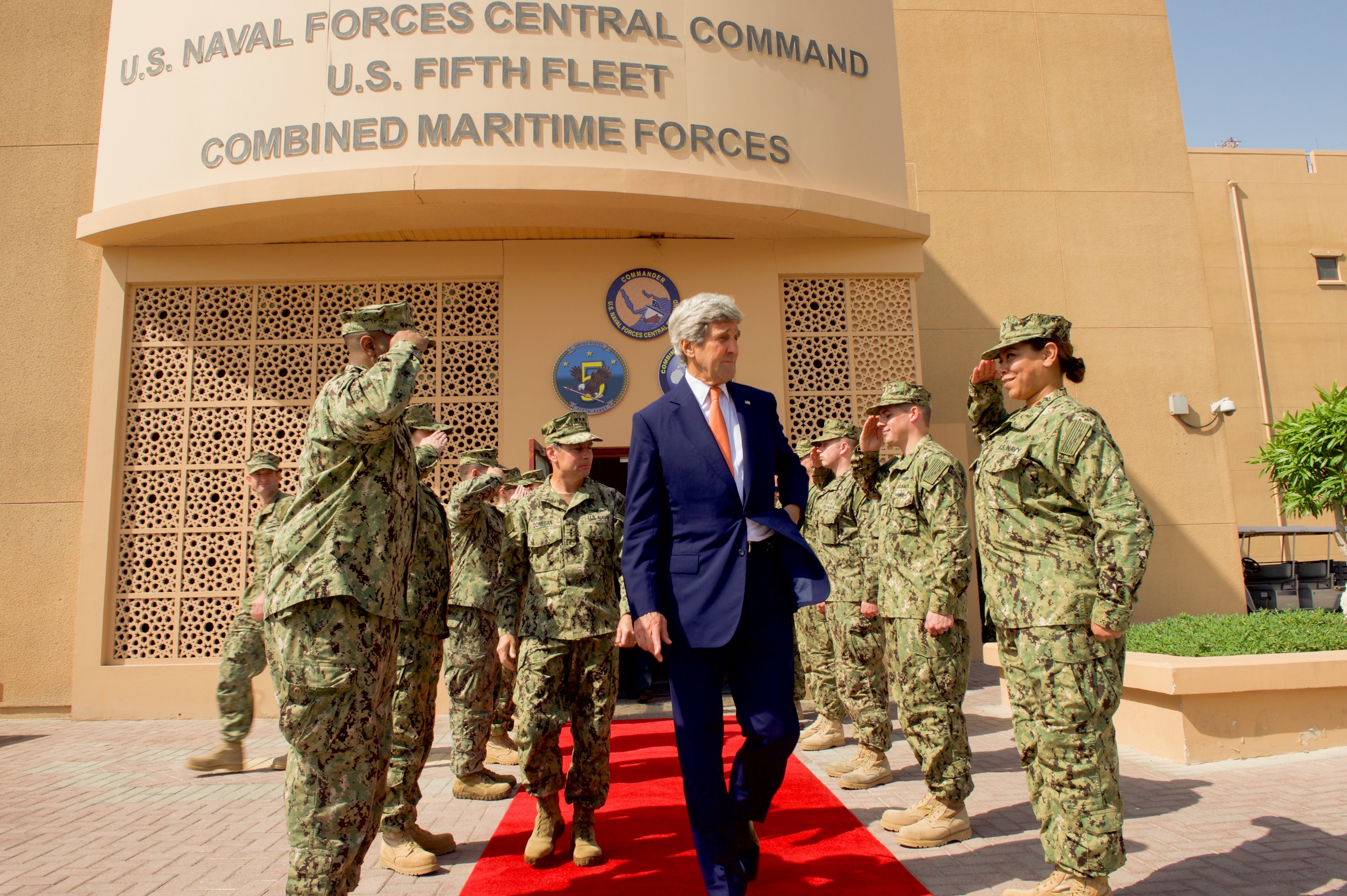
The U.S. bombed approximately 140 Iranian military targets on June 26, 2026, following an Iranian attack on a commercial vessel [1], [3].
This escalation threatens the stability of the Strait of Hormuz, a critical chokepoint for global oil shipments, and risks a broader regional conflict involving multiple Gulf states.
The U.S. military response followed an incident on June 25, 2026, when an Iranian attack targeted a commercial ship in the Strait of Hormuz [2], [4]. U.S. Central Command, known as Centcom, said the strikes were a direct response to continued Iranian aggression against commercial shipping [5].
A spokesperson for the U.S. Department of Defense said the military hit about 140 military objectives within Iran [1]. The strikes aimed to deter further interference with international maritime trade in the region [5].
In response to the U.S. actions, the Islamic Revolutionary Guard Corps launched drone attacks against several neighboring countries. Reports indicate these strikes targeted Jordan, Kuwait, Qatar, Oman, and Bahrain [1]. While some reports suggest drones were limited to Bahrain [3], other sources confirm a wider campaign across five nations [1].
The Bahraini Ministry of Foreign Affairs said the drone activity was a "violation of the sovereignty of Bahrain" [3]. The coordinated nature of the Revolutionary Guard's response suggests a strategy to pressure the U.S. and its regional allies by destabilizing the broader Gulf area [6].
U.S. forces continue to monitor the situation in the Strait of Hormuz as both nations maintain a high state of military readiness. The region remains on high alert as the international community monitors the potential for further retaliatory cycles between Washington and Tehran.
“The U.S. bombed approximately 140 Iranian military targets on June 26, 2026.”
The scale of the U.S. strike—targeting 140 objectives—represents a significant escalation in military posture compared to previous skirmishes. By expanding drone attacks to five different Gulf nations, Iran is signaling that it can project power across the entire peninsula to leverage political concessions. This cycle of retaliation increases the likelihood of an accidental direct clash that could disrupt global energy markets.
'%2F%3E%0A%20%20%20%20%3Crect%20width%3D'1600'%20height%3D'900'%20fill%3D'url(%23v)'%2F%3E%0A%20%20%20%20%3Cg%20opacity%3D'0.08'%20fill%3D'%23ffffff'%3E%0A%20%20%20%20%20%20%3Ccircle%20cx%3D'1420'%20cy%3D'180'%20r%3D'220'%2F%3E%0A%20%20%20%20%20%20%3Ccircle%20cx%3D'1500'%20cy%3D'760'%20r%3D'120'%2F%3E%0A%20%20%20%20%3C%2Fg%3E%0A%20%20%20%20%3Cline%20x1%3D'80'%20y1%3D'172'%20x2%3D'220'%20y2%3D'172'%20stroke%3D'%23ffffff'%20stroke-width%3D'3'%20stroke-opacity%3D'0.6'%2F%3E%0A%20%20%20%20%3Ctext%20x%3D'80'%20y%3D'140'%20font-family%3D'Inter%2C%20-apple-system%2C%20Helvetica%2C%20sans-serif'%20font-weight%3D'700'%20font-size%3D'28'%20fill%3D'%23ffffff'%20letter-spacing%3D'6'%3EHANNA%20%C2%B7%20NEWS%3C%2Ftext%3E%0A%20%20%20%20%3Ctext%20x%3D'80'%20y%3D'230'%20font-family%3D'Inter%2C%20-apple-system%2C%20Helvetica%2C%20sans-serif'%20font-weight%3D'600'%20font-size%3D'40'%20fill%3D'%23ffffffb3'%20letter-spacing%3D'4'%3EWORLD%3C%2Ftext%3E%0A%20%20%20%20%3Ctext%20x%3D'80'%20y%3D'622'%20font-family%3D'Playfair%20Display%2C%20Georgia%2C%20serif'%20font-weight%3D'800'%20font-size%3D'86'%20fill%3D'%23ffffff'%20letter-spacing%3D'-1'%3EBrazilian%20Scientist%20Develops%3C%2Ftext%3E%3Ctext%20x%3D'80'%20y%3D'721'%20font-family%3D'Playfair%20Display%2C%20Georgia%2C%20serif'%20font-weight%3D'800'%20font-size%3D'86'%20fill%3D'%23ffffff'%20letter-spacing%3D'-1'%3EPen%20for%20Real-Time%20Cancer%3C%2Ftext%3E%3Ctext%20x%3D'80'%20y%3D'820'%20font-family%3D'Playfair%20Display%2C%20Georgia%2C%20serif'%20font-weight%3D'800'%20font-size%3D'86'%20fill%3D'%23ffffff'%20letter-spacing%3D'-1'%3EDetection%3C%2Ftext%3E%0A%20%20%20%20%3Ctext%20x%3D'80'%20y%3D'870'%20font-family%3D'Inter%2C%20-apple-system%2C%20Helvetica%2C%20sans-serif'%20font-weight%3D'500'%20font-size%3D'22'%20fill%3D'%23ffffff66'%20letter-spacing%3D'2'%3Enews.hanna-ai.com%3C%2Ftext%3E%0A%20%20%3C%2Fsvg%3E)

