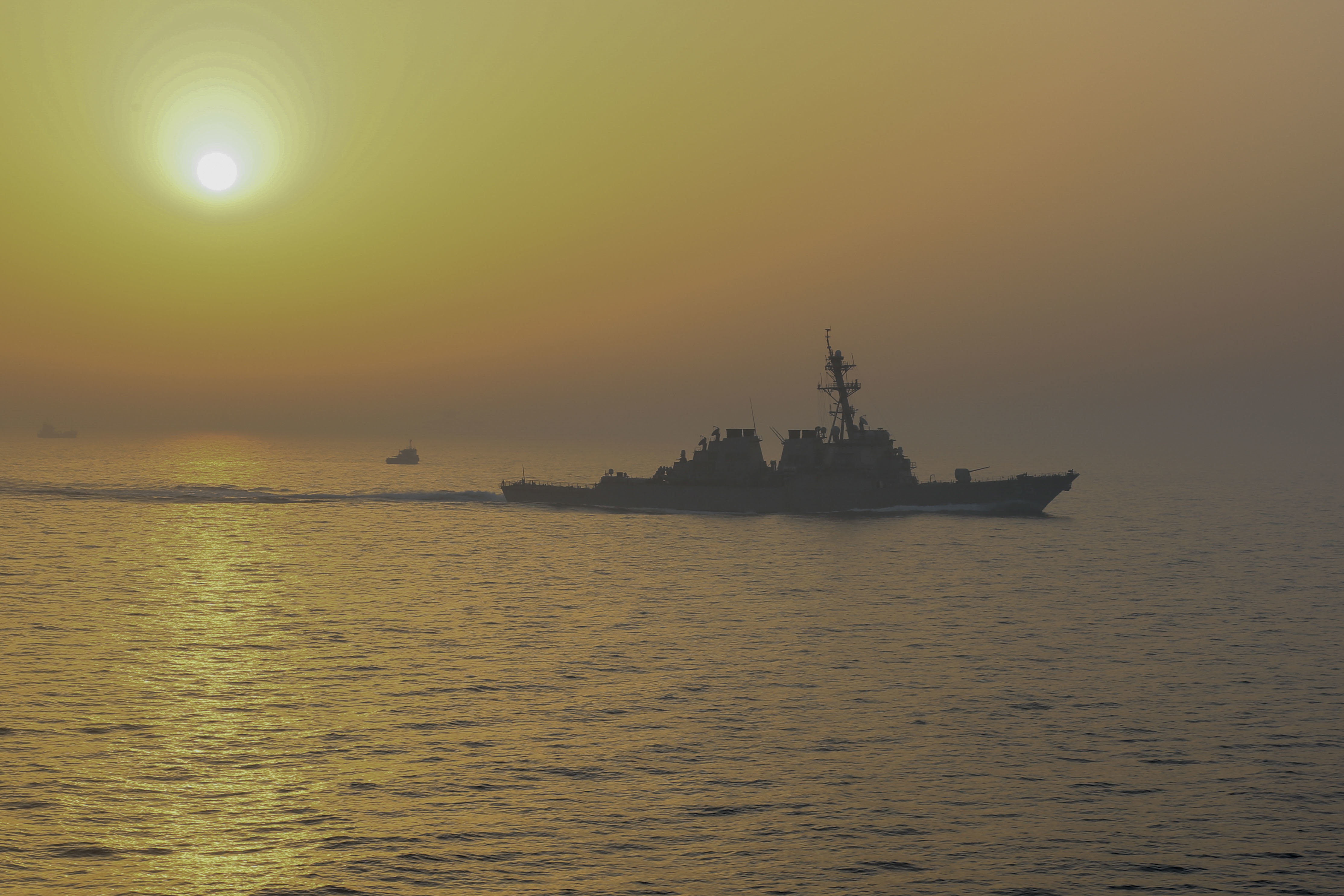
Global crude oil prices rose this week following a series of military strikes between the U.S. and Iran during the weekend of July 6-7 [1].
The price surge reflects immediate market fears that conflict in the Persian Gulf could disrupt the Strait of Hormuz. Because this narrow waterway is a primary artery for global energy shipments, any prolonged instability threatens to trigger a widespread supply shortage and fuel inflation.
Brent crude has climbed above $110 per barrel [2]. This increase follows the recent escalation in military activity, which has pushed oil prices above pre-war levels [3]. Traders began bidding up prices as the security of oil shipments through the Strait of Hormuz became uncertain [4].
The volatility has extended beyond energy markets and into global equities. In India, the Nifty 50 fell 500 points [5]. The drop highlights how geopolitical instability in the Middle East creates a ripple effect across international financial hubs, impacting everything from stock valuations to consumer gas prices.
U.S. and Iranian forces have remained in a state of high alert since the weekend strikes [1]. Market analysts said that the price of crude is currently reacting to the perceived risk of a total blockade of the Strait, rather than an actual cessation of flow [4]. However, the rapid climb in Brent crude indicates that investors are hedging against a worst-case scenario in the region [2].
Shipping companies are now monitoring the Persian Gulf closely to determine if routes must be diverted. Such diversions typically increase transit times and operational costs, which could further sustain the upward pressure on global oil prices [3].
“Brent crude trading above $110 per barrel”
The spike in oil prices demonstrates the fragility of the global energy supply chain's reliance on the Strait of Hormuz. When military tensions escalate between the U.S. and Iran, the market prices in a 'security premium' to account for the risk of supply disruptions. If these tensions persist, the resulting energy inflation could pressure central banks to maintain higher interest rates to combat rising costs.

'%2F%3E%0A%20%20%20%20%3Crect%20width%3D'1600'%20height%3D'900'%20fill%3D'url(%23v)'%2F%3E%0A%20%20%20%20%3Cg%20opacity%3D'0.08'%20fill%3D'%23ffffff'%3E%0A%20%20%20%20%20%20%3Ccircle%20cx%3D'1420'%20cy%3D'180'%20r%3D'220'%2F%3E%0A%20%20%20%20%20%20%3Ccircle%20cx%3D'1500'%20cy%3D'760'%20r%3D'120'%2F%3E%0A%20%20%20%20%3C%2Fg%3E%0A%20%20%20%20%3Cline%20x1%3D'80'%20y1%3D'172'%20x2%3D'220'%20y2%3D'172'%20stroke%3D'%23ffffff'%20stroke-width%3D'3'%20stroke-opacity%3D'0.6'%2F%3E%0A%20%20%20%20%3Ctext%20x%3D'80'%20y%3D'140'%20font-family%3D'Inter%2C%20-apple-system%2C%20Helvetica%2C%20sans-serif'%20font-weight%3D'700'%20font-size%3D'28'%20fill%3D'%23ffffff'%20letter-spacing%3D'6'%3EHANNA%20%C2%B7%20NEWS%3C%2Ftext%3E%0A%20%20%20%20%3Ctext%20x%3D'80'%20y%3D'230'%20font-family%3D'Inter%2C%20-apple-system%2C%20Helvetica%2C%20sans-serif'%20font-weight%3D'600'%20font-size%3D'40'%20fill%3D'%23ffffffb3'%20letter-spacing%3D'4'%3EWORLD%3C%2Ftext%3E%0A%20%20%20%20%3Ctext%20x%3D'80'%20y%3D'694'%20font-family%3D'Playfair%20Display%2C%20Georgia%2C%20serif'%20font-weight%3D'800'%20font-size%3D'110'%20fill%3D'%23ffffff'%20letter-spacing%3D'-1'%3ETaiwan%20Fuel%20Prices%20to%20Remain%3C%2Ftext%3E%3Ctext%20x%3D'80'%20y%3D'820'%20font-family%3D'Playfair%20Display%2C%20Georgia%2C%20serif'%20font-weight%3D'800'%20font-size%3D'110'%20fill%3D'%23ffffff'%20letter-spacing%3D'-1'%3EStable%20This%20Week%3C%2Ftext%3E%0A%20%20%20%20%3Ctext%20x%3D'80'%20y%3D'870'%20font-family%3D'Inter%2C%20-apple-system%2C%20Helvetica%2C%20sans-serif'%20font-weight%3D'500'%20font-size%3D'22'%20fill%3D'%23ffffff66'%20letter-spacing%3D'2'%3Enews.hanna-ai.com%3C%2Ftext%3E%0A%20%20%3C%2Fsvg%3E)
