The U.S. and Iran concluded peace talks in Doha, Qatar, on July 3, 2026, reaching an agreement to end hostilities [1, 2].
This agreement is significant because it aims to reopen the Strait of Hormuz and stabilize regional oil markets, which are critical for global energy security [1].
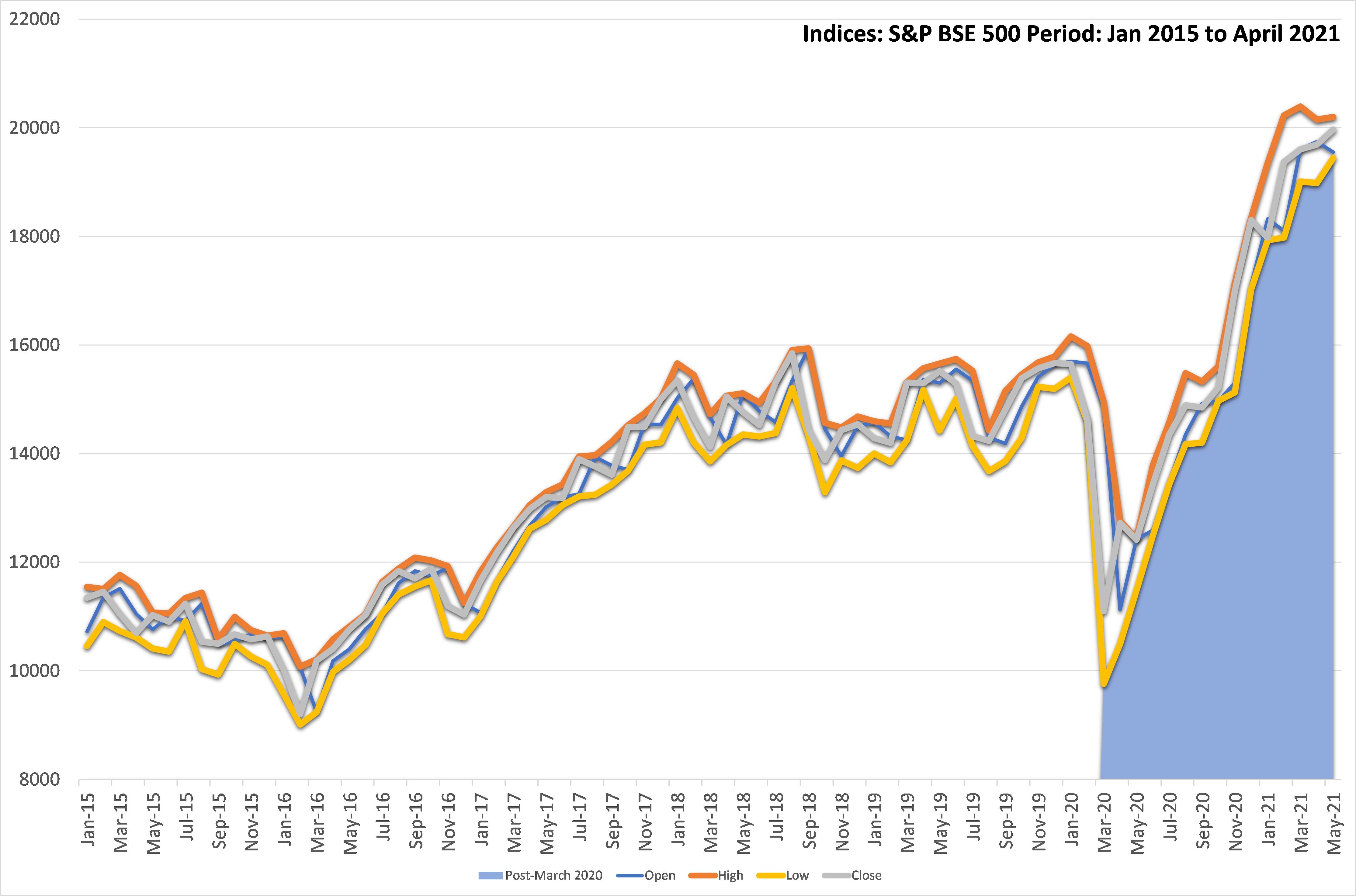
Financial markets responded immediately to the news. In India, the Sensex jumped between 900 [1] and 1,197 points [2]. The Nifty index also saw gains, with reports indicating an increase of 112 points, or 0.46% [3], while other data suggests a rise of 362 points [2].
The diplomatic breakthrough occurred under the administration of President Donald Trump. The talks in Doha focused on reducing tensions and securing a framework for peace between the two nations [1, 3].
Energy markets showed signs of stabilization following the announcement. Crude oil was trading near $70 per barrel [3]. The reopening of the Strait of Hormuz — a primary chokepoint for global oil shipments — is a central component of the deal intended to lower volatility in the energy sector [1].
Government officials in both the U.S. and Iran coordinated the final terms in Qatar. The agreement marks a shift in diplomatic relations aimed at preventing further military escalation in the Middle East [1, 3].
“The United States and Iran concluded peace talks in Doha, Qatar, on July 3, 2024.”
The resolution of tensions between the U.S. and Iran reduces the risk of a supply shock in the global energy market. By securing the Strait of Hormuz, the agreement provides a predictability that investors crave, explaining the immediate surge in equity markets like the Sensex and Nifty. This diplomatic pivot suggests a preference for stability over maximum pressure in the region.