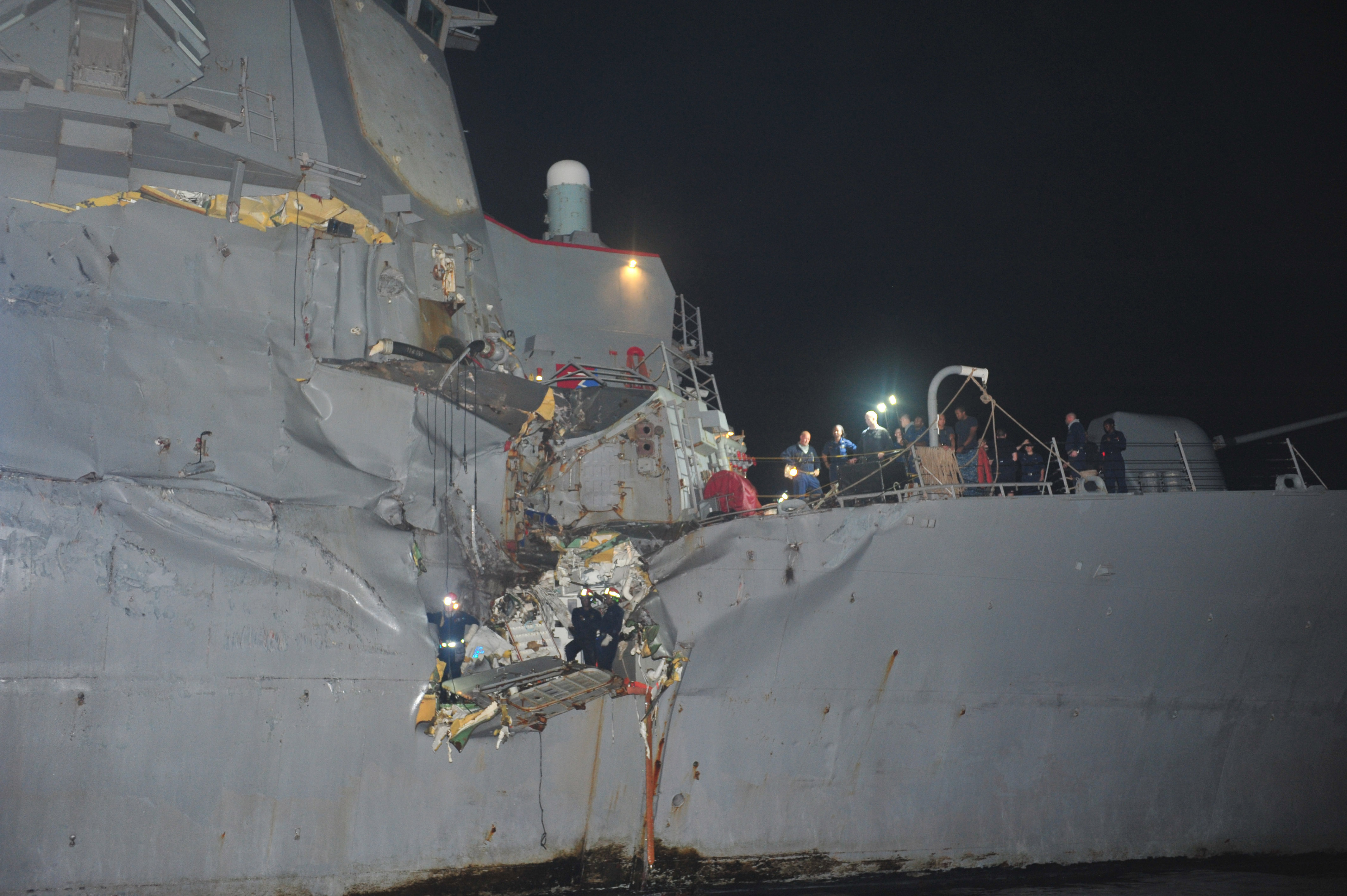
The United States and Iran have exchanged waves of air and naval strikes in the Strait of Hormuz during a period of escalating military tension.
The conflict threatens to disrupt one of the world's most critical oil transit chokepoints. While both nations have deployed significant force, they are simultaneously signaling a willingness to engage in diplomatic talks to avoid a full-scale war.
Fighting entered its sixth day on Thursday [2]. The current cycle of hostilities followed an incident on July 12, 2026, when Iran fired at a civilian vessel [3]. This event prompted a new round of attacks between the two sides.
On Wednesday, July 15, the U.S. bombarded Iran with two rounds of strikes [1]. These operations targeted dozens of Iranian sites as the U.S. applied military pressure to force Tehran back to the negotiating table.
President Donald Trump (R-FL) has linked the cessation of these attacks to diplomatic concessions. "We will knock out Iran's power plants and bridges unless Tehran returns to the negotiating table," Trump said [4].
Iran has responded by balancing its own diplomatic outreach with retaliatory strikes. These actions are intended to defend Iranian interests, and maintain its influence across the region. Both nations have imposed blockades within the Strait of Hormuz, further restricting maritime movement.
International observers are calling for an immediate end to the violence. Pakistan has urged both the U.S. and Iran to resume talks as the fresh strikes unsettle stability across West Asia.
“"We will knock out Iran's power plants and bridges unless Tehran returns to the negotiating table."”
The current strategy represents a 'maximum pressure' campaign where military escalation is used as a primary tool for diplomatic leverage. By targeting critical infrastructure like power plants and bridges, the U.S. seeks to create a cost for Iran that outweighs the benefit of avoiding negotiations. However, the use of blockades in the Strait of Hormuz risks a global economic shock by restricting oil flow, which may eventually force international intermediaries, such as Pakistan, to play a more active role in brokering a ceasefire.


