The Trump administration is continuing fragile diplomatic talks with Iran this week while dispatching aid teams to Venezuela following two major earthquakes [1, 2].
These simultaneous actions highlight a volatile period of U.S. foreign policy, balancing a high-stakes attempt to reshape Middle East stability with urgent humanitarian obligations in Latin America.
U.S. Secretary of State Marco Rubio and other administration officials are working to maintain the momentum of current negotiations with Iranian leaders [1, 2]. A central component of this effort involves a signed Memorandum of Understanding (MOU), and a broader agreement between the U.S. and Iran [1, 2]. Administration officials are currently attempting to sell the terms of this agreement to Gulf allies to ensure regional cooperation, a critical step for the long-term viability of the deal [1, 2].
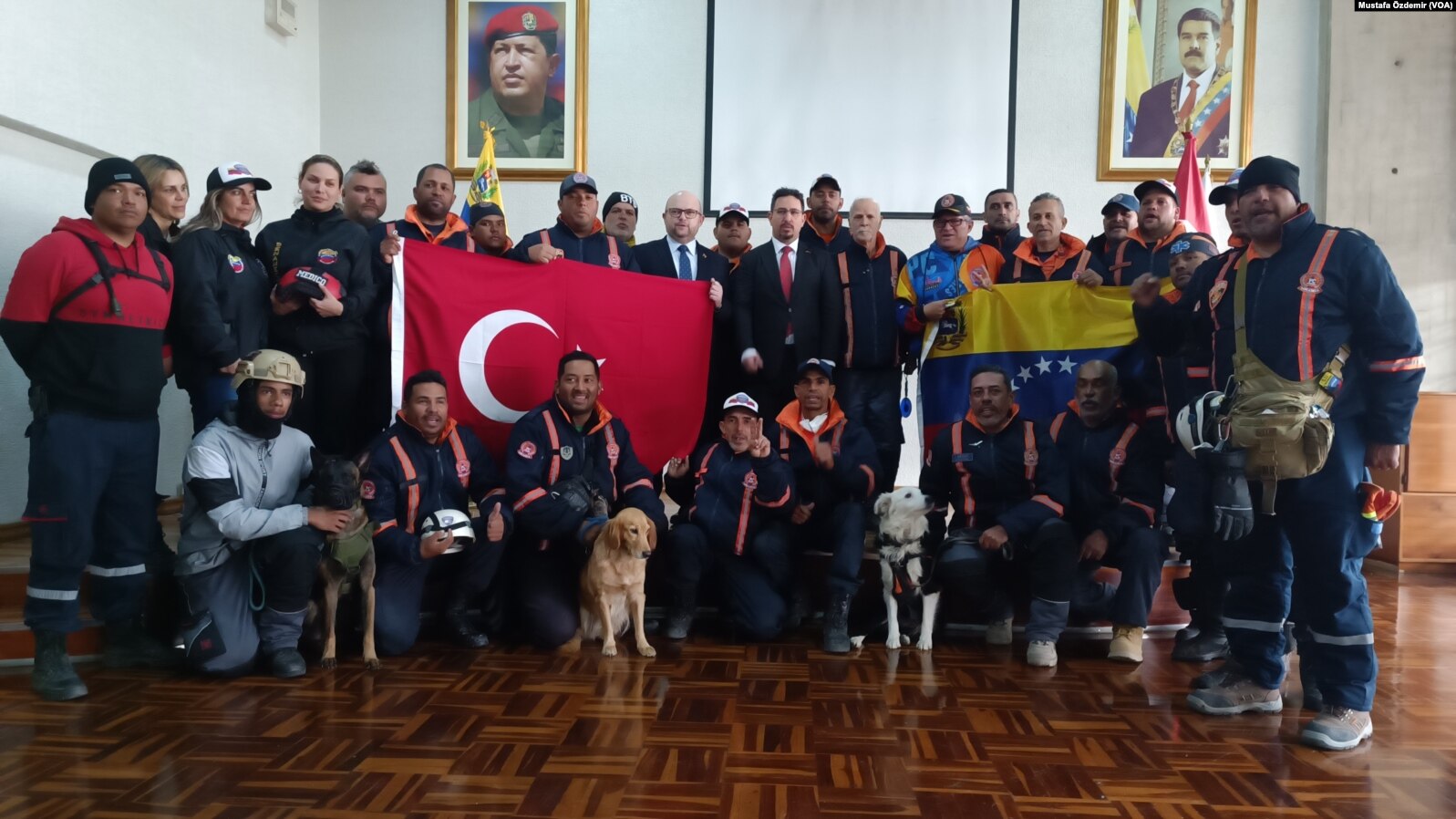
While diplomacy continues in Washington and Iran, the U.S. is responding to a crisis in Venezuela [1, 2]. The country was struck by two major earthquakes, prompting the U.S. to send humanitarian aid teams to assist with relief operations [1, 2]. This move provides immediate support to a region devastated by seismic activity.
Amidst these international developments, domestic sentiment regarding past military engagements remains a point of contention. Data indicates that only about 25% [2] of Americans feel that the war was worth its cost. This lack of public consensus continues to influence how the administration approaches new diplomatic frameworks and military restraint on the world stage.
“The Trump administration is continuing fragile diplomatic talks with Iran this week”
The administration is attempting a dual-track foreign policy: securing a strategic pivot in the Middle East through a negotiated settlement with Iran and utilizing humanitarian aid as a tool of engagement in Venezuela. However, the low domestic approval of previous conflicts suggests that the administration's ability to sustain long-term international commitments may be constrained by public skepticism toward the costs of foreign intervention.
'%2F%3E%0A%20%20%20%20%3Crect%20width%3D'1600'%20height%3D'900'%20fill%3D'url(%23v)'%2F%3E%0A%20%20%20%20%3Cg%20opacity%3D'0.08'%20fill%3D'%23ffffff'%3E%0A%20%20%20%20%20%20%3Ccircle%20cx%3D'1420'%20cy%3D'180'%20r%3D'220'%2F%3E%0A%20%20%20%20%20%20%3Ccircle%20cx%3D'1500'%20cy%3D'760'%20r%3D'120'%2F%3E%0A%20%20%20%20%3C%2Fg%3E%0A%20%20%20%20%3Cline%20x1%3D'80'%20y1%3D'172'%20x2%3D'220'%20y2%3D'172'%20stroke%3D'%23ffffff'%20stroke-width%3D'3'%20stroke-opacity%3D'0.6'%2F%3E%0A%20%20%20%20%3Ctext%20x%3D'80'%20y%3D'140'%20font-family%3D'Inter%2C%20-apple-system%2C%20Helvetica%2C%20sans-serif'%20font-weight%3D'700'%20font-size%3D'28'%20fill%3D'%23ffffff'%20letter-spacing%3D'6'%3EHANNA%20%C2%B7%20NEWS%3C%2Ftext%3E%0A%20%20%20%20%3Ctext%20x%3D'80'%20y%3D'230'%20font-family%3D'Inter%2C%20-apple-system%2C%20Helvetica%2C%20sans-serif'%20font-weight%3D'600'%20font-size%3D'40'%20fill%3D'%23ffffffb3'%20letter-spacing%3D'4'%3EWORLD%3C%2Ftext%3E%0A%20%20%20%20%3Ctext%20x%3D'80'%20y%3D'622'%20font-family%3D'Playfair%20Display%2C%20Georgia%2C%20serif'%20font-weight%3D'800'%20font-size%3D'86'%20fill%3D'%23ffffff'%20letter-spacing%3D'-1'%3EVenezuela%20Rescue%20Teams%3C%2Ftext%3E%3Ctext%20x%3D'80'%20y%3D'721'%20font-family%3D'Playfair%20Display%2C%20Georgia%2C%20serif'%20font-weight%3D'800'%20font-size%3D'86'%20fill%3D'%23ffffff'%20letter-spacing%3D'-1'%3ESearch%20More%20Than%20300%3C%2Ftext%3E%3Ctext%20x%3D'80'%20y%3D'820'%20font-family%3D'Playfair%20Display%2C%20Georgia%2C%20serif'%20font-weight%3D'800'%20font-size%3D'86'%20fill%3D'%23ffffff'%20letter-spacing%3D'-1'%3ECollapsed%20Buildings%3C%2Ftext%3E%0A%20%20%20%20%3Ctext%20x%3D'80'%20y%3D'870'%20font-family%3D'Inter%2C%20-apple-system%2C%20Helvetica%2C%20sans-serif'%20font-weight%3D'500'%20font-size%3D'22'%20fill%3D'%23ffffff66'%20letter-spacing%3D'2'%3Enews.hanna-ai.com%3C%2Ftext%3E%0A%20%20%3C%2Fsvg%3E)