
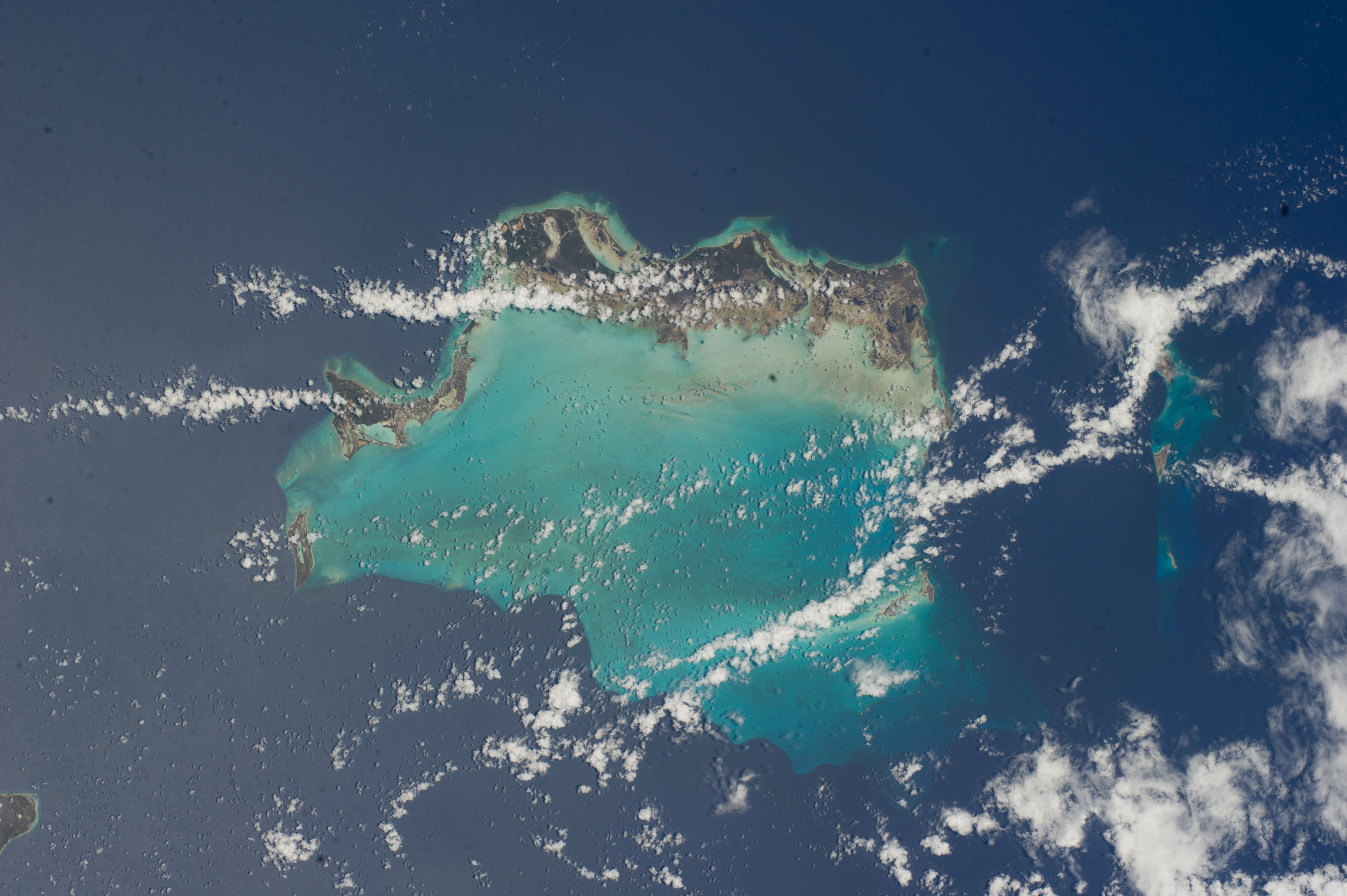
U.S. authorities and the Royal Turks and Caicos Police Force rescued 240 Haitian migrants from a failing vessel in the Caribbean Sea [1].
The incident underscores the extreme physical risks associated with irregular maritime migration. When vessels lack proper maintenance or sufficient capacity, a single mechanical failure can quickly turn a journey into a mass-casualty event.
On May 31, the boat was detected 65 nautical miles south of the Turks and Caicos Islands [1]. The vessel had lost an engine, leaving it adrift and at risk of sinking [1], [2].
U.S. Customs and Border Protection, the U.S. Coast Guard, and the Royal Turks and Caicos Police Force coordinated the interception and rescue [1]. While some reports stated there were more than 200 people on board [2], other reports specified the number at 240 migrants [1].
U.S. officials said the incident warns against the dangers of irregular maritime migration. They said these voyages often involve overcrowded boats that are not seaworthy, increasing the likelihood of tragedy in open waters.
The migrants were intercepted before the vessel succumbed to the sea. Coordination between the U.S. and local Caribbean authorities allowed for the timely detection and recovery of the passengers [1].
“The vessel had lost an engine and was at risk of sinking”
This rescue highlights the precarious nature of migration routes from Haiti, where desperate conditions often drive individuals into high-risk maritime journeys. The reliance on multi-agency cooperation between the US and Caribbean nations reflects a broader regional strategy to manage migration flows and prevent humanitarian disasters at sea.


