
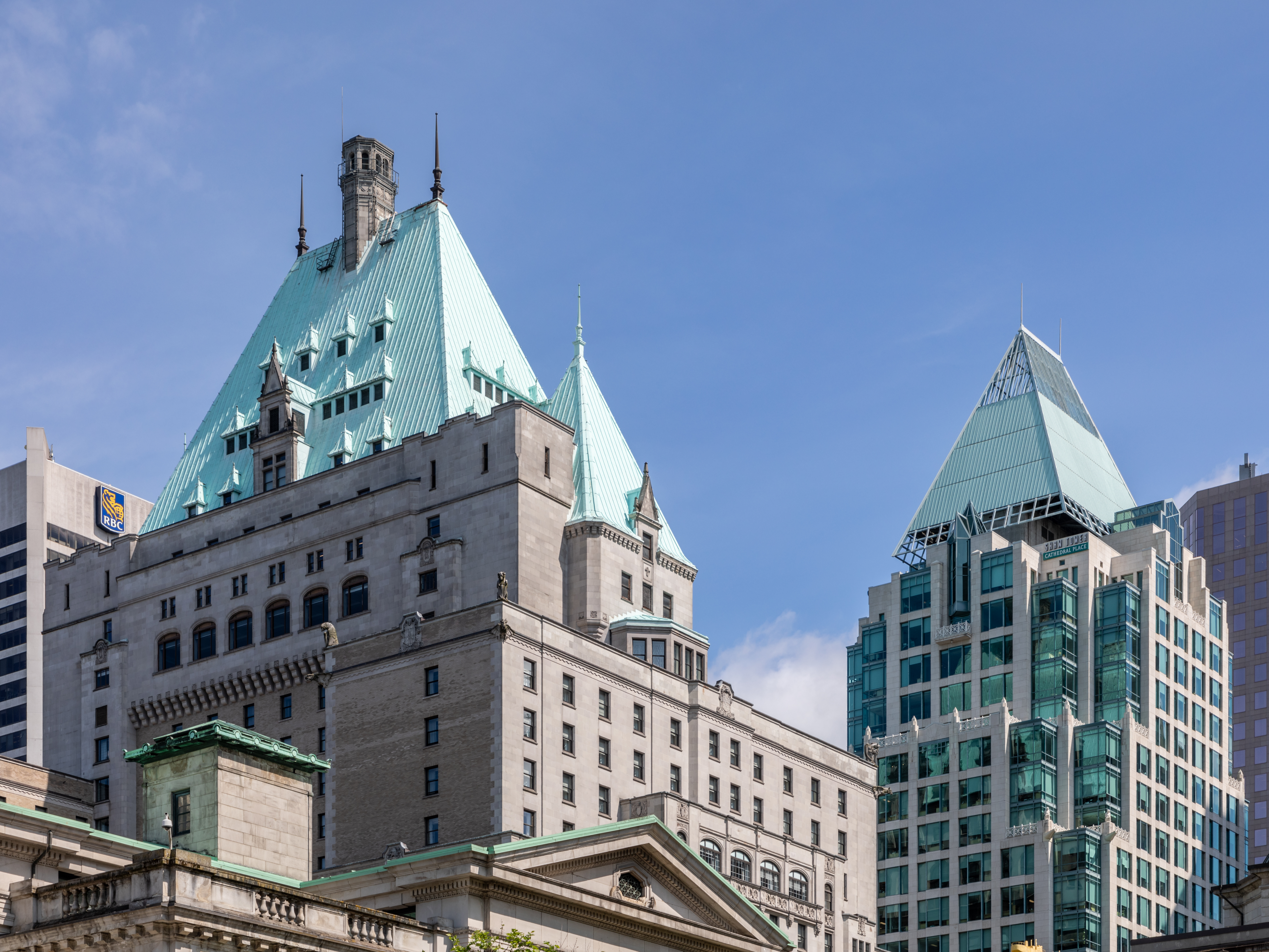
Hotel bookings in Vancouver remain under 50% of capacity as the city prepares to host the 2026 FIFA World Cup [1].
Low occupancy rates this close to the tournament start date raise concerns about the projected economic impact of the event. While major sporting tournaments typically drive surge pricing and full occupancy, the current data suggests a slower-than-expected start for the local hospitality sector.
Vancouver hotel operators and tourism officials are monitoring the numbers as the event approaches [1]. The current booking rate of less than 50% [1] indicates that a significant portion of the city's lodging remains available. This gap creates a risk for operators who may have increased staffing, or adjusted pricing, in anticipation of a complete sell-out.
Officials said they are counting on last-minute bookings to fill the empty rooms [1]. This pattern is not uncommon for international travelers, some of whom may wait for final match schedules or travel arrangements before securing lodging. However, the volume of remaining vacancy is higher than many expected for an event of this scale.
Local tourism officials have not yet released specific targets for total occupancy, but the current trend places pressure on the city to attract more short-term visitors. The 2026 FIFA World Cup is expected to bring a massive influx of global fans to British Columbia, yet the lodging data does not yet reflect that surge [1].
Hotel managers are now evaluating their strategies to attract remaining visitors. Some may consider adjusting rates or offering packages to ensure rooms do not remain empty during the peak of the tournament. The ability to capture these last-minute travelers will determine if the city meets its tourism revenue goals for the period.
“Hotel bookings in Vancouver remain under 50% of capacity”
The low booking rate suggests a disconnect between the anticipated demand for the FIFA World Cup and actual consumer behavior in Vancouver. If the city fails to secure a massive wave of last-minute reservations, it could result in lower-than-projected tourism revenue and a potential surplus of available rooms, which may lead to sudden price drops to attract visitors.


'%2F%3E%0A%20%20%20%20%3Crect%20width%3D'1600'%20height%3D'900'%20fill%3D'url(%23v)'%2F%3E%0A%20%20%20%20%3Cg%20opacity%3D'0.08'%20fill%3D'%23ffffff'%3E%0A%20%20%20%20%20%20%3Ccircle%20cx%3D'1420'%20cy%3D'180'%20r%3D'220'%2F%3E%0A%20%20%20%20%20%20%3Ccircle%20cx%3D'1500'%20cy%3D'760'%20r%3D'120'%2F%3E%0A%20%20%20%20%3C%2Fg%3E%0A%20%20%20%20%3Cline%20x1%3D'80'%20y1%3D'172'%20x2%3D'220'%20y2%3D'172'%20stroke%3D'%23ffffff'%20stroke-width%3D'3'%20stroke-opacity%3D'0.6'%2F%3E%0A%20%20%20%20%3Ctext%20x%3D'80'%20y%3D'140'%20font-family%3D'Inter%2C%20-apple-system%2C%20Helvetica%2C%20sans-serif'%20font-weight%3D'700'%20font-size%3D'28'%20fill%3D'%23ffffff'%20letter-spacing%3D'6'%3EHANNA%20%C2%B7%20NEWS%3C%2Ftext%3E%0A%20%20%20%20%3Ctext%20x%3D'80'%20y%3D'230'%20font-family%3D'Inter%2C%20-apple-system%2C%20Helvetica%2C%20sans-serif'%20font-weight%3D'600'%20font-size%3D'40'%20fill%3D'%23ffffffb3'%20letter-spacing%3D'4'%3EWORLD%3C%2Ftext%3E%0A%20%20%20%20%3Ctext%20x%3D'80'%20y%3D'622'%20font-family%3D'Playfair%20Display%2C%20Georgia%2C%20serif'%20font-weight%3D'800'%20font-size%3D'86'%20fill%3D'%23ffffff'%20letter-spacing%3D'-1'%3EPakistan%20Solar%20Panel%20Prices%3C%2Ftext%3E%3Ctext%20x%3D'80'%20y%3D'721'%20font-family%3D'Playfair%20Display%2C%20Georgia%2C%20serif'%20font-weight%3D'800'%20font-size%3D'86'%20fill%3D'%23ffffff'%20letter-spacing%3D'-1'%3ERise%20Ahead%20of%20Proposed%3C%2Ftext%3E%3Ctext%20x%3D'80'%20y%3D'820'%20font-family%3D'Playfair%20Display%2C%20Georgia%2C%20serif'%20font-weight%3D'800'%20font-size%3D'86'%20fill%3D'%23ffffff'%20letter-spacing%3D'-1'%3EBudget%20Taxes%3C%2Ftext%3E%0A%20%20%20%20%3Ctext%20x%3D'80'%20y%3D'870'%20font-family%3D'Inter%2C%20-apple-system%2C%20Helvetica%2C%20sans-serif'%20font-weight%3D'500'%20font-size%3D'22'%20fill%3D'%23ffffff66'%20letter-spacing%3D'2'%3Enews.hanna-ai.com%3C%2Ftext%3E%0A%20%20%3C%2Fsvg%3E)
