Wall Street's main indexes closed at record levels on Friday, May 29, 2026 [1].
The surge reflects a confluence of corporate performance and geopolitical optimism, signaling investor confidence in both the artificial intelligence rally and a potential reduction in Middle East tensions.
The Dow Jones Industrial Average, S&P 500, and Nasdaq Composite all reached new closing highs [1, 2]. This momentum allowed the indexes to secure both weekly and monthly gains [1]. Notably, the S&P 500 achieved its eighth consecutive weekly gain [3].
Strong earnings in the technology sector acted as a primary catalyst for the rally. Investors reacted positively to a strong forecast from Dell, which helped lift technology stocks across the board [1, 4]. The trend underscores the continuing influence of AI-related growth on market valuations.
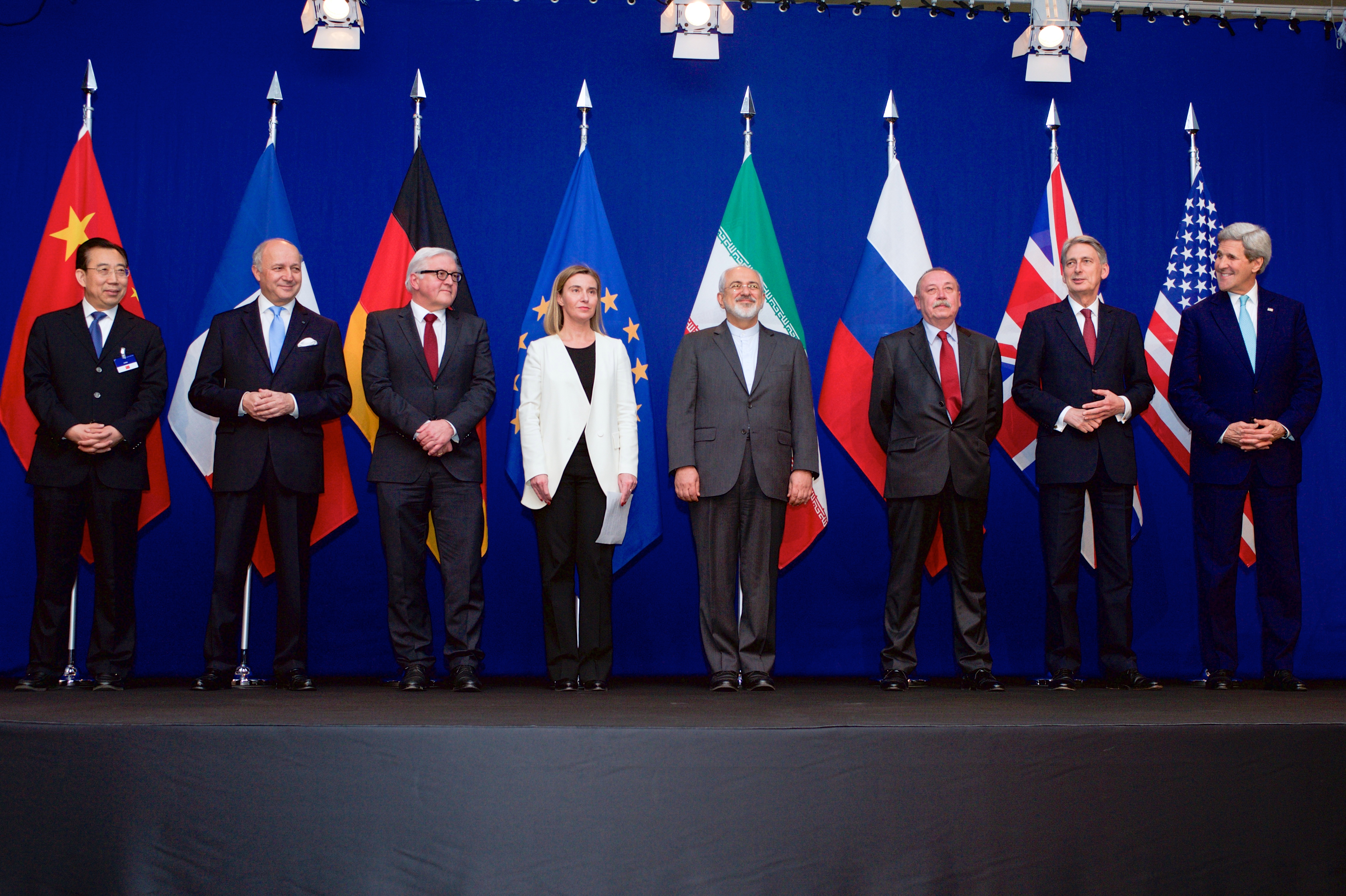
Beyond corporate earnings, geopolitical developments played a significant role in the market's ascent. Optimism regarding a potential U.S.–Iran ceasefire and peace deal reduced perceived risks for investors [1, 4]. This shift in sentiment encouraged a broader appetite for risk, contributing to the record-breaking session on Friday [1].
Market analysts said the combination of tech strength and the prospect of a Middle East deal served as the dual engines driving the current trajectory [1, 4]. While some reports differed on the exact timing of the record closes, the consensus from primary sources indicates the peak occurred at the end of the week [1].
“Wall Street's main indexes closed at record levels on Friday, May 29, 2026.”
The simultaneous peak of tech earnings and geopolitical easing suggests that markets are currently pricing in a 'best-case scenario.' By combining the fundamental growth of AI infrastructure—evidenced by Dell's outlook—with the removal of systemic risks in the Middle East, investors are pushing valuations to historic levels. However, the reliance on a pending diplomatic deal means the market remains sensitive to any breakdown in U.S.–Iran negotiations.