
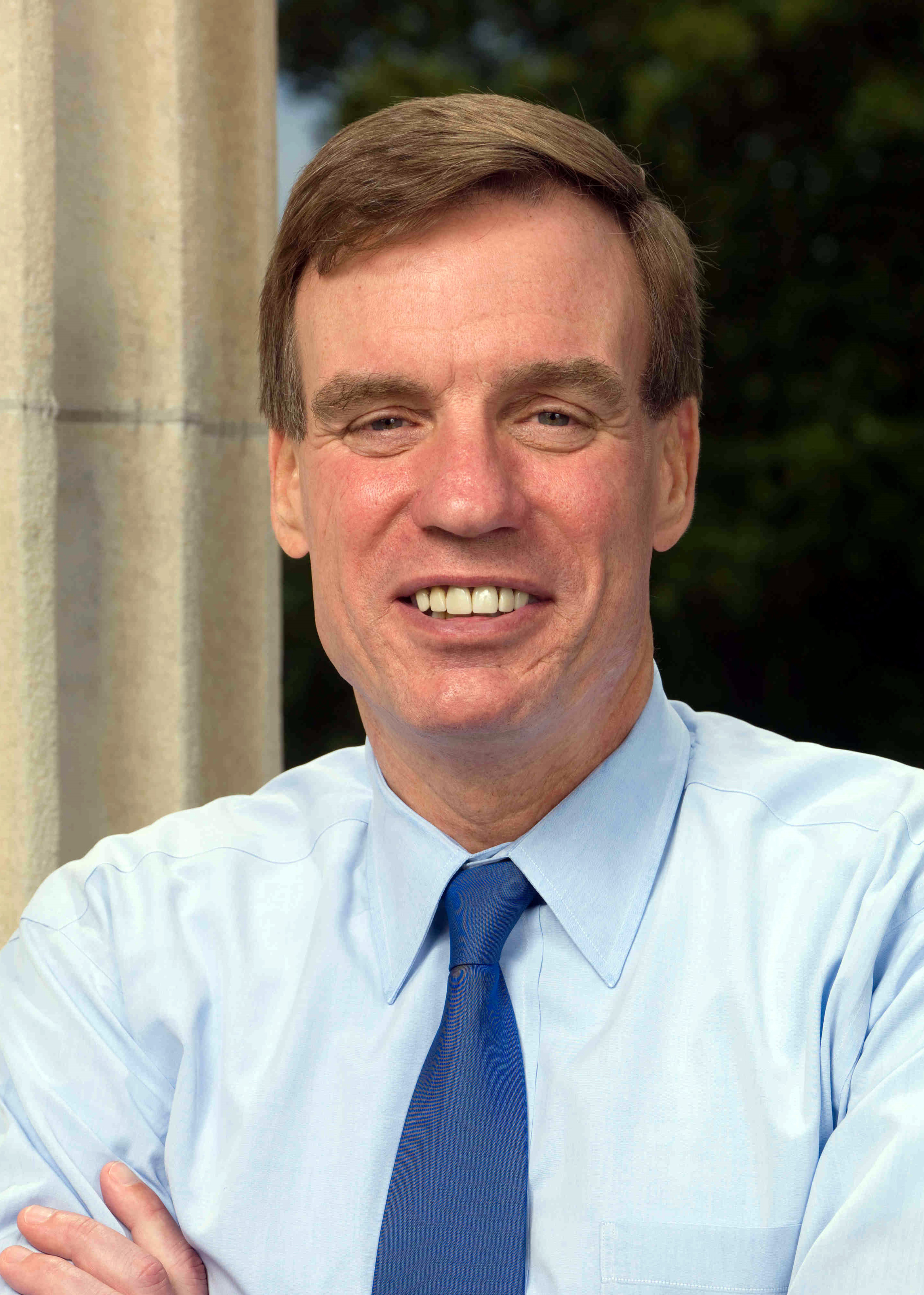
Sen. Mark Warner (D-VA) said Bill Pulte is grossly unqualified to serve as the acting Director of National Intelligence.
The appointment creates a potential crisis in intelligence oversight and could jeopardize the legal framework governing U.S. surveillance. Because the Director of National Intelligence manages the nation's most sensitive secrets, critics argue that a lack of professional experience in the field poses a national security risk.
Warner, the top Democrat on the Senate Intelligence Committee, said his concerns during televised interviews on Fox News Sunday and with NPR earlier this month [1, 2]. He said, "Bill Pulte is grossly unqualified to lead the intelligence community" [3].
Beyond general qualifications, Warner pointed to a specific conflict regarding Pulte's current role. Pulte also serves as the director of the Federal Housing Finance Agency, a dual role that Warner said could put the Foreign Intelligence Surveillance Act (FISA) law in jeopardy [4, 5].
"I have serious concerns about his lack of experience in intelligence," Warner said [2]. He said the appointment puts the country's "spy-powers law" in jeopardy [5].
The controversy has extended to the Republican side of the aisle. Three Republican senators voted to bar Pulte from serving as the temporary director of national intelligence [6].
Warner's warnings center on the belief that the intelligence community requires a leader with a deep understanding of clandestine operations and legal constraints to maintain effective oversight. He said that Pulte's lack of a background in these areas threatens the stability of the U.S. intelligence apparatus [1, 2].
“"Bill Pulte is grossly unqualified to lead the intelligence community."”
The dispute over Bill Pulte's appointment reflects a broader tension between political appointments and professional expertise in the U.S. intelligence community. By highlighting the potential conflict with FISA and the lack of intelligence experience, Sen. Warner is signaling that the appointment may lead to legislative friction or challenges regarding the legality of surveillance authorities.


