
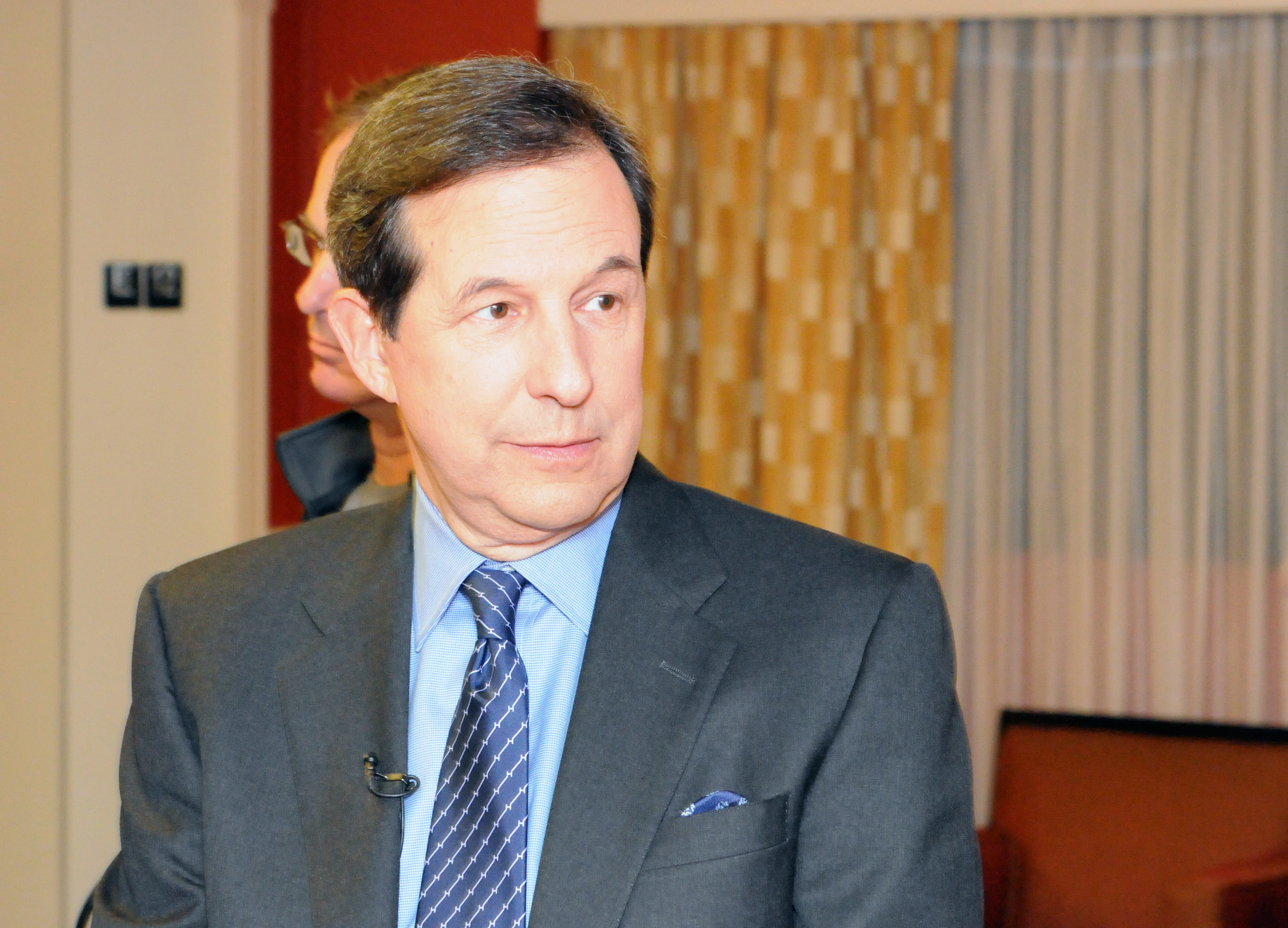
Fox News host Jesse Watters said, "These people are lunatics" during a broadcast discussing President Donald Trump's warnings to Iran [1].
The commentary highlights the intensifying rhetoric surrounding U.S. foreign policy and the economic implications of a potential blockade in the Strait of Hormuz. As tensions rise, the language used by prominent media figures often reflects the polarized nature of the geopolitical debate.
Watters said the remarks during his primetime program while addressing the strategic and economic impact of U.S. actions in the region [1]. He used the term to characterize opponents, including Iran and other critics, as irrational and dangerous [1, 2].
This phrasing echoes similar language used by Donald Trump in other contexts. According to reporting from The Independent, Trump referred to critics of First Amendment attacks as "lunatics" [2]. Other reports from Fox News indicate Trump used the same term to describe federal judges who blocked his agenda [1].
The use of such descriptors is a recurring theme in recent political commentary. Townhall reported that left-wing podcast hosts have been described as "lunatics," while the Review Journal noted that Democrats were portrayed as such in a political cartoon [1, 2].
Watters focused his segment on the necessity of strong leadership regarding the Strait of Hormuz, a critical chokepoint for global oil shipments. He framed the opposition to these hardline stances as a lack of realism regarding the threats posed by Iran [1].
“"These people are lunatics"”
The alignment of language between media personalities like Watters and political leaders like Trump suggests a coordinated rhetorical strategy. By labeling opponents as 'lunatics' or 'nuts,' the discourse shifts from a policy-based debate over the Strait of Hormuz to a character-based critique of the opposition's mental stability, potentially narrowing the space for diplomatic nuance.



