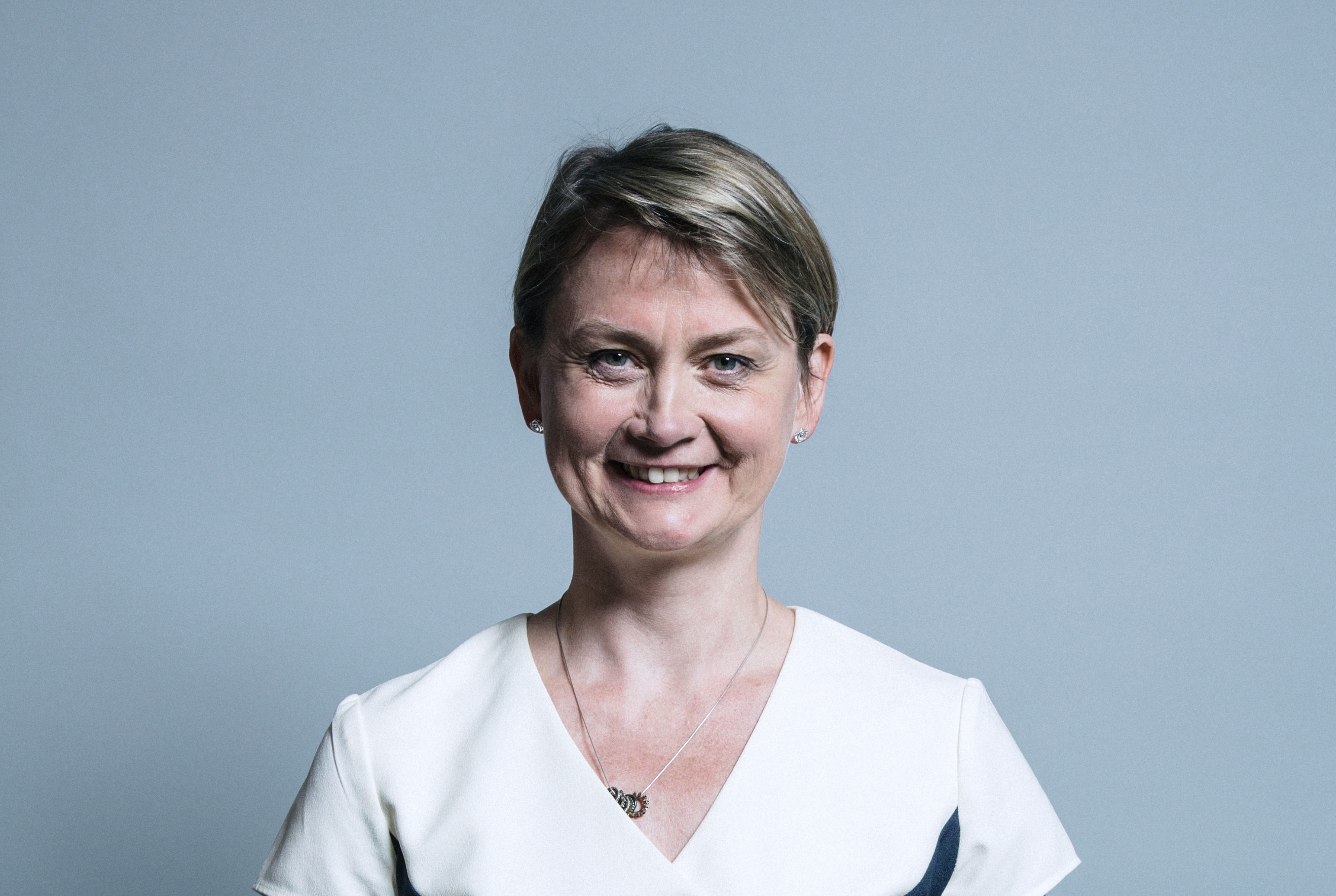
UK Foreign Secretary Yvette Cooper (Labour) will take questions from MPs on the Foreign Affairs Committee [1, 2].
The appearance comes as the government faces pressure to explain systemic lapses in security and transparency. The scrutiny focuses on whether the Foreign Office failed to communicate critical information to lawmakers and the public.
Cooper is scheduled to appear before the committee at the House of Commons [1, 2]. The session is designed to address recent information failures within the Foreign Office and the specific circumstances surrounding the Lord Mandelson vetting controversy [3, 4].
Lawmakers have raised concerns over the timing and nature of disclosures regarding Mandelson. Some senior Labour MPs have demanded answers on why certain vetting failures were not revealed to the government or the public sooner [2, 4].
The Foreign Secretary said she was concerned that the vetting failure was not disclosed earlier [4]. This admission has prompted further questions regarding the internal oversight mechanisms of the department.
Committee members intend to probe the gap between the discovery of the vetting issues and the official notification of the leadership. The inquiry seeks to determine if these failures represent isolated incidents or a broader pattern of dysfunction within the diplomatic service [2, 3].
Cooper's testimony will likely center on the steps the Foreign Office is taking to rectify these failures. The government must now demonstrate that its vetting processes for high-profile appointments are rigorous, and transparent, to maintain parliamentary trust [1, 3].
“Yvette Cooper will take questions from MPs on the Foreign Affairs Committee.”
This hearing represents a critical test of the current administration's transparency. By focusing on the Mandelson vetting controversy and broader information failures, the Foreign Affairs Committee is challenging the Foreign Office to prove that its security protocols are not compromised by political expediency or administrative negligence.


