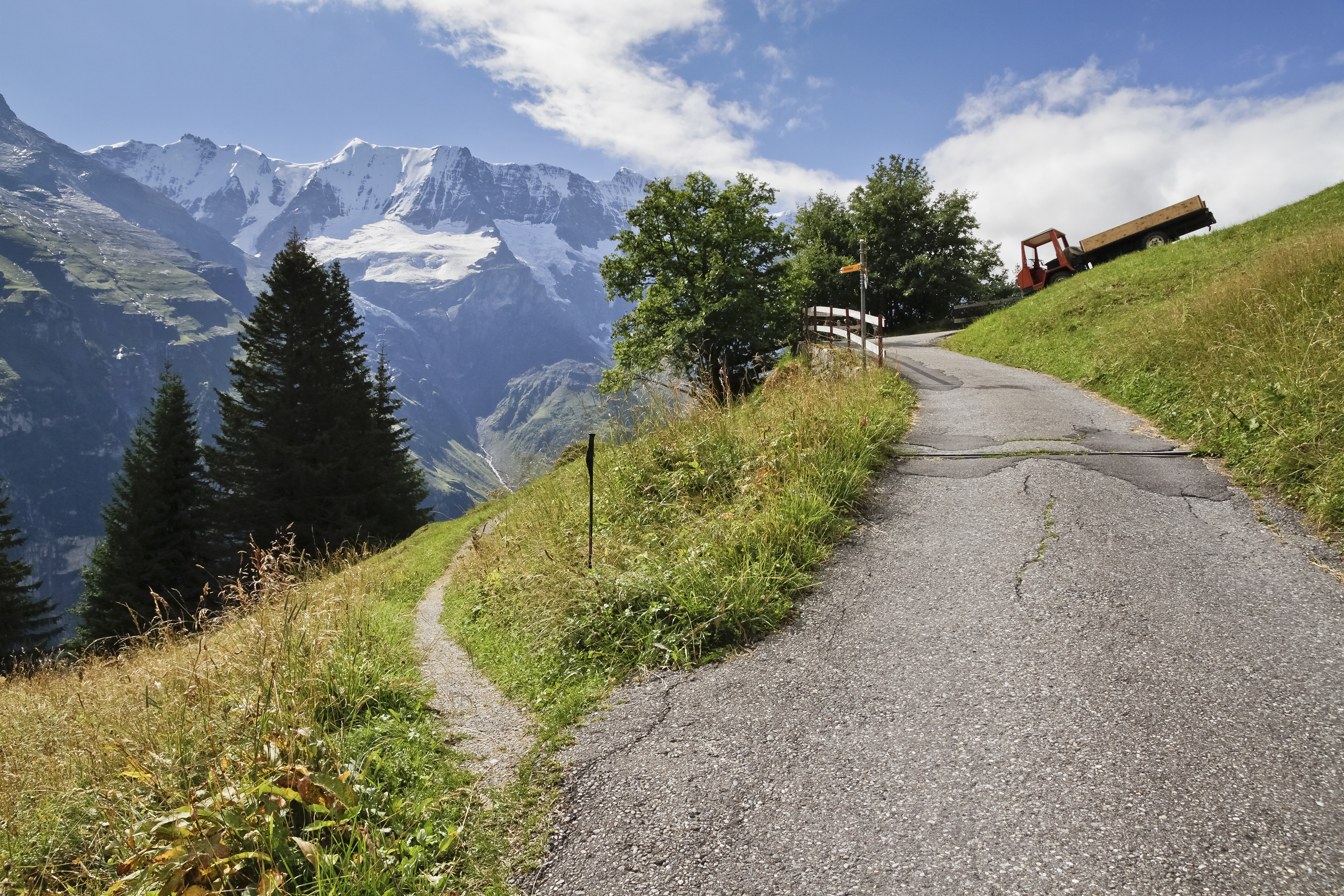
Women are using social media to share accounts of partners abandoning them during mountain hikes, a phenomenon now termed "alpine divorce" [1, 2].
The trend highlights a dangerous intersection of relationship abuse and outdoor survival. By framing these incidents as a specific type of breakup, the viral discourse brings attention to lethal forms of control and violence occurring in remote environments [4].
The hashtag has grown on platforms like TikTok and Instagram, where women describe traumatic and sometimes life-threatening experiences [1]. These accounts include reports of partners leaving significant others to die on mountains, including a specific case involving Austria's tallest mountain [1].
Psychologists suggest the term may minimize the severity of the acts. Dr. McMahon said that "alpine divorce" does the same cultural work as "domestic dispute," taking what is often abuse or manslaughter and making it sound like a relationship incompatibility [4].
While the term is currently a social media trend, the phrase has historical roots in literature [3]. In 1893, Scottish-Canadian novelist Robert Barr wrote a short story titled "An Alpine Divorce" about a husband who planned to push his wife off a Swiss precipice [3].
Modern users of the term often apply it loosely to describe various levels of abandonment [2]. However, experts view the behavior as a manifestation of severe abuse, where the isolation of a hike is used as a tool for harm [4].
“"Alpine divorce' is doing the same cultural work as 'domestic dispute,' it takes something that is, in the worst cases, manslaughter"”
The rise of the 'alpine divorce' label illustrates how social media can categorize niche experiences of abuse into viral trends. While the term provides a community for survivors to share warnings, the clinical concern is that the phrasing sanitizes criminal abandonment and domestic violence by framing it as a relationship failure rather than a targeted act of harm.