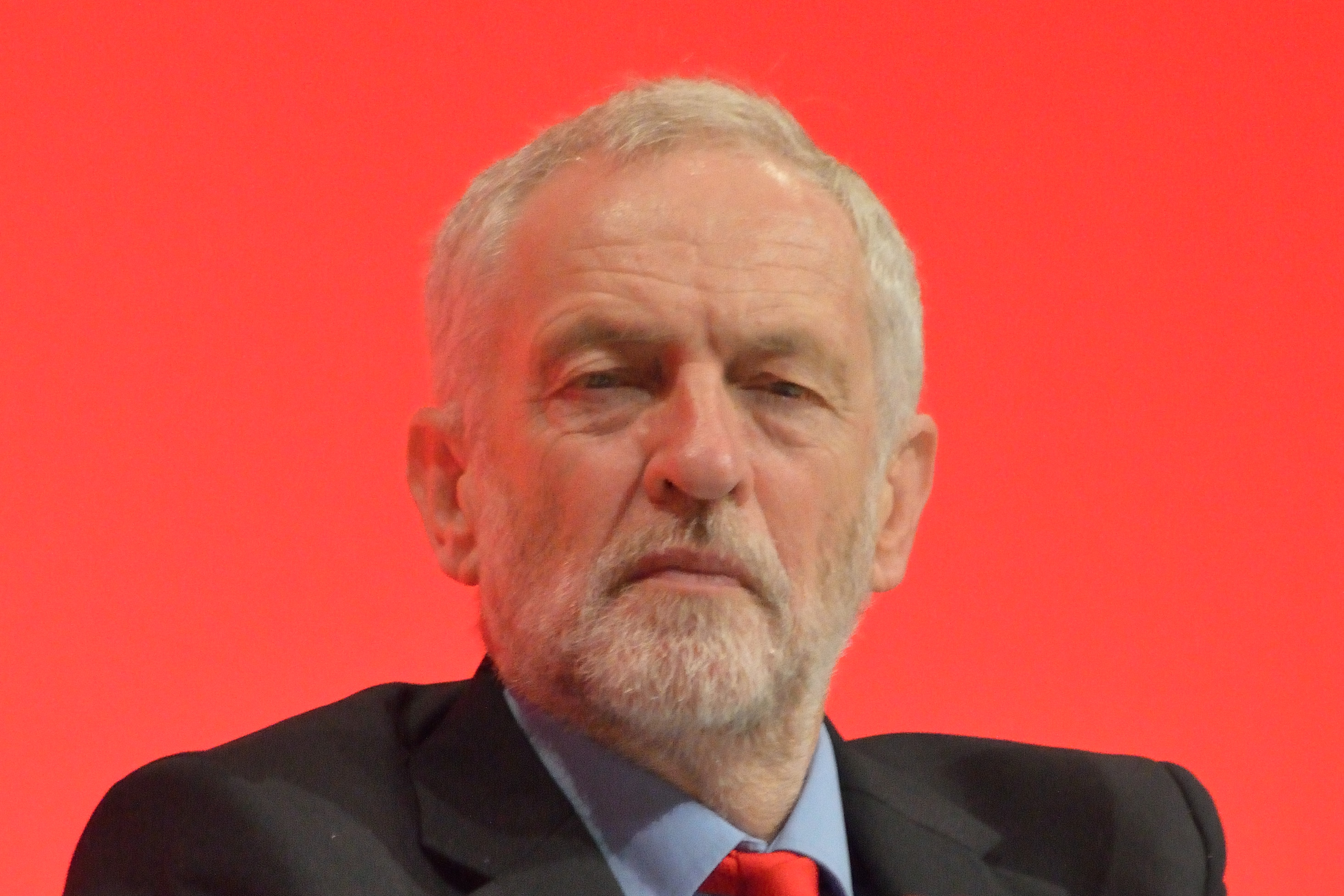
Andy Burnham has been confirmed as the leader of the Labour Party and is set to become the prime minister of the United Kingdom [1].
This leadership transition follows the resignation of Prime Minister Keir Starmer [2]. The change in leadership at the head of the UK government marks a pivotal shift in the administration of the country during a period of political transition.
Burnham is scheduled to officially become prime minister on Monday, July 20, 2026 [1]. The confirmation of his leadership within the Labour Party clears the path for his appointment to the highest office in the British government.
While the transition is now confirmed, the process follows the established constitutional protocols of the United Kingdom. The resignation of Starmer created the vacancy that the Labour Party has now filled by selecting Burnham to lead both the party and the government [2].
Details regarding the immediate policy priorities of the incoming prime minister have not yet been fully detailed, but the appointment ensures continuity of the party's hold on power. The transition period between the resignation and the official appointment on Monday will involve the necessary formalities at Downing Street [1].
“Andy Burnham has been confirmed as the leader of the Labour Party”
The transition from Keir Starmer to Andy Burnham represents a change in leadership style and strategy within the Labour Party. By confirming Burnham as leader, the party avoids a prolonged power vacuum and maintains its governing mandate, though the shift may signal a realignment of internal party priorities as Burnham prepares to take office.