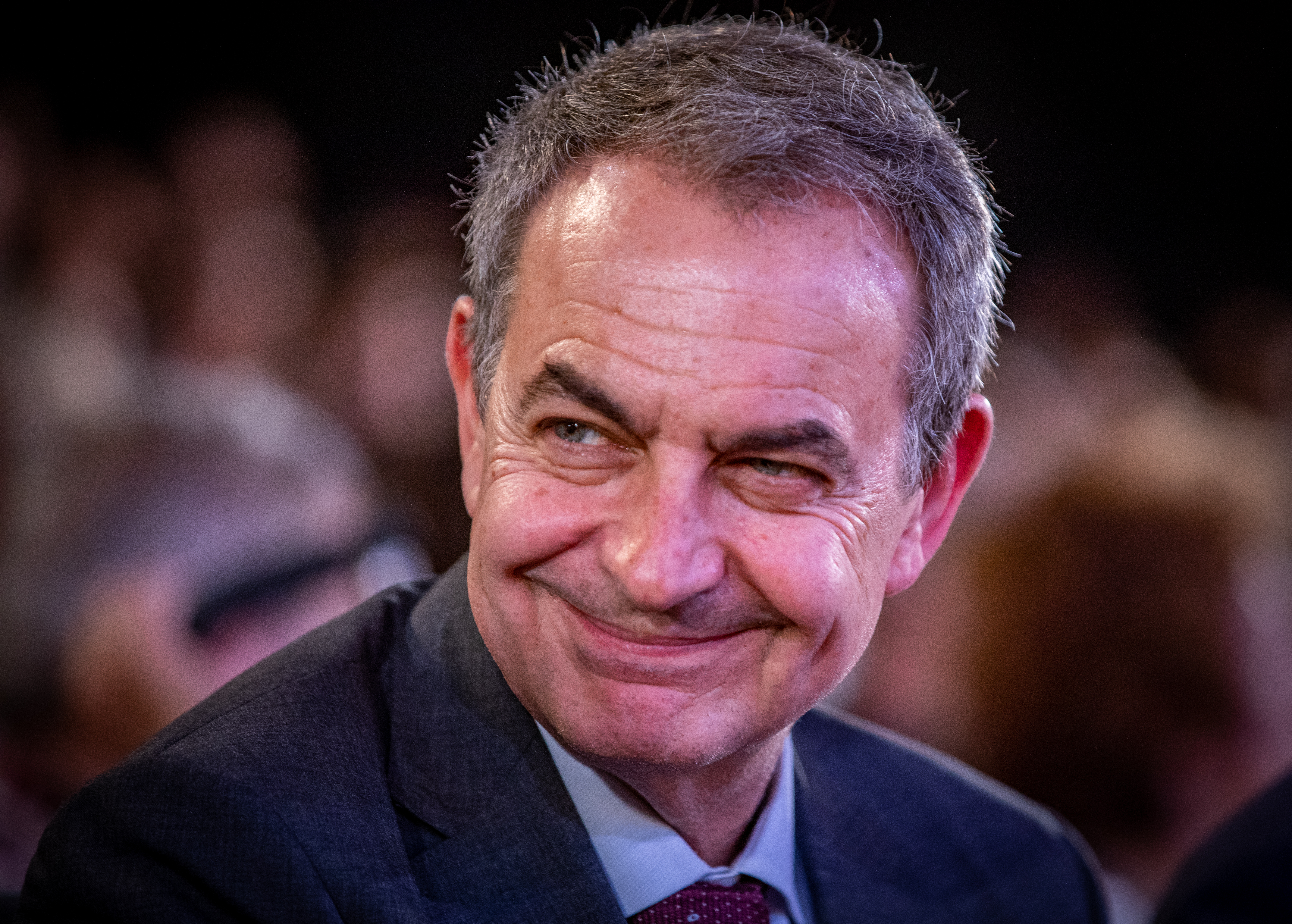
Andy Burnham (Labour) took office as the new prime minister of the United Kingdom on July 12, 2024 [1].
The transition comes as Britain seeks a "circuit-breaker" to shift politics toward practical problem-solving and address volatile foreign-policy challenges [4].
Burnham, the former mayor of Greater Manchester and leader of the Labour Party, was sworn in as a member of Parliament after returning to the House of Commons in June 2024 [1, 4]. His return followed a victory in a risky special election held that month [4].
The appointment marks a period of significant volatility for the British government. Burnham is the fifth prime minister the U.S. has had in four years [2] and the seventh prime minister to lead the country in a decade [3].
Following his swearing-in, Burnham appeared outside 10 Downing Street and in the House of Commons [1]. The new administration is already navigating high-stakes international tensions. One immediate priority involves the use of U.S. bases for US strikes on Iran [4].
Burnham's rise to the premiership follows the departure of Keir Starmer [1]. The leadership change is intended to stabilize a government that has seen rapid turnover in its highest office over the last several years [2, 3].
“Burnham is the fifth prime minister the U.K. has had in four years.”
The rapid succession of prime ministers—seven in 10 years—highlights a period of profound instability within the British executive branch. By appointing Burnham, the Labour Party is attempting to pivot away from the volatility of previous administrations and toward a pragmatic governance style. However, the immediate need to address the use of U.S. bases for US military actions against Iran suggests that the new prime minister will be tested by foreign policy crises before he can fully implement domestic reforms.