
The Australian government launched a legal claim against 3M on Thursday over environmental contamination caused by PFAS-containing firefighting foam [1], [2].
The lawsuit targets the long-term ecological and financial impact of per- and polyfluoroalkyl substances, known as "forever chemicals," which do not break down in the environment. Because these substances persist in soil and water, the case represents a significant effort to hold manufacturers accountable for large-scale industrial pollution.
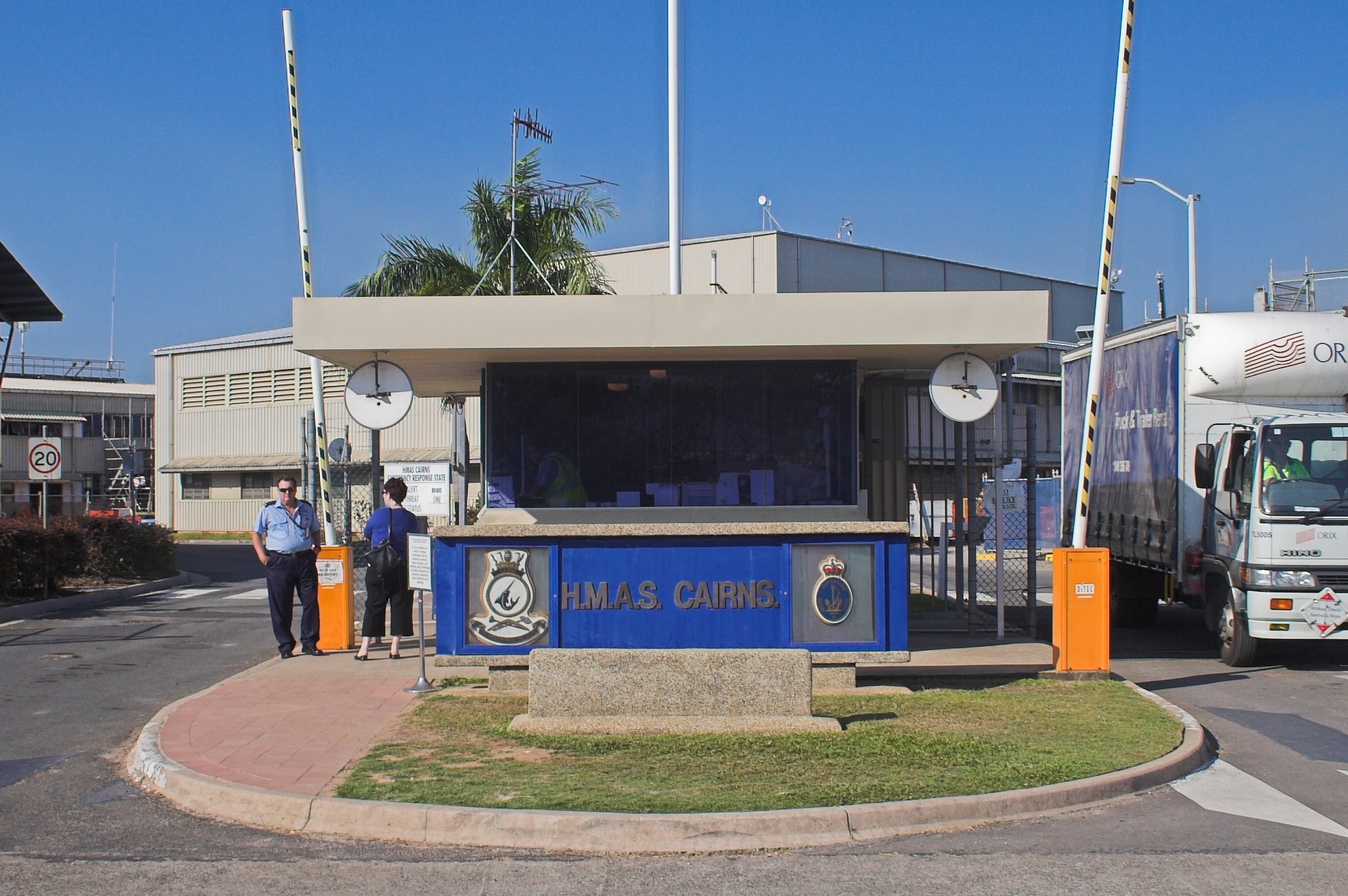
The legal action focuses on contamination occurring at various defence sites and bases across Australia [2], [4]. The government said that the firefighting foam supplied by 3M led to the widespread presence of these chemicals at these military installations [1], [3].
There are varying reports regarding the exact monetary value of the claim. Reuters reported the legal claim amount as $1.43 billion [1], while CNN cited the figure as $1.4 billion [2]. Other reports specify the amount in local currency, with the BBC and The Guardian both stating the government is seeking A$2 billion [3], [4]. CNN said the sum is more than 2 billion AUD [2].
PFAS chemicals have been used globally in various industrial applications, including the aqueous film-forming foams used to extinguish high-intensity fires at airfields and naval bases. The persistence of these chemicals has led to similar legal challenges in other jurisdictions as governments struggle with the cost of remediation, and public health concerns.
3M has faced numerous global settlements regarding PFAS in recent years. This latest action by the Australian government seeks to recover costs associated with the cleanup of defence properties, and the management of contaminated sites [1], [4].
“The Australian government launched a legal claim against 3M on Thursday over environmental contamination”
This lawsuit signals a growing global trend of sovereign states pursuing manufacturers for the systemic costs of environmental remediation. By targeting 3M, Australia is attempting to shift the financial burden of cleaning up 'forever chemicals' from taxpayers to the company that produced the materials, potentially setting a precedent for other nations dealing with military-site contamination.


