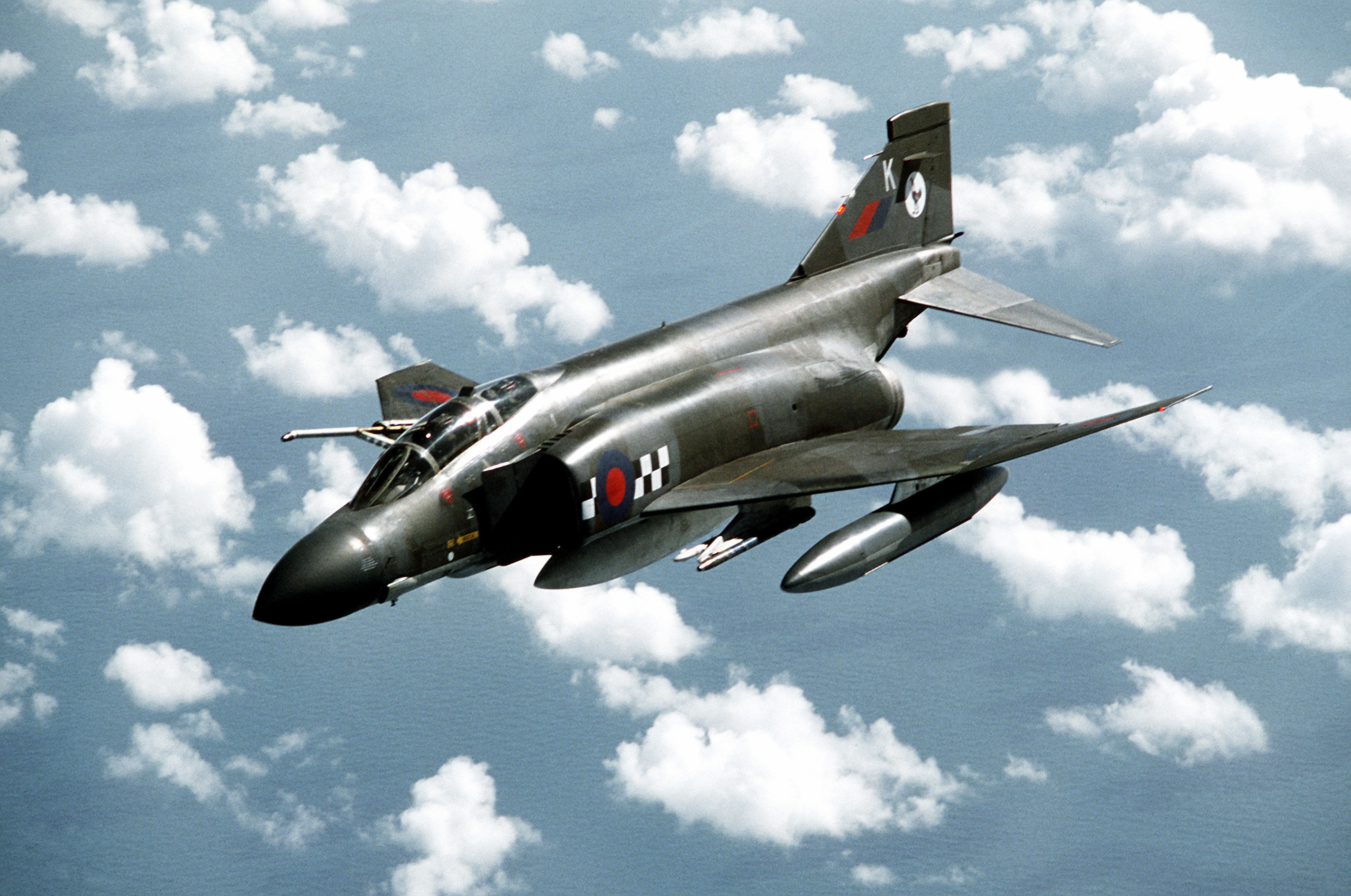
The BBC Newscast program is examining the financial costs associated with keeping the United Kingdom safe [1].
This analysis comes at a critical time as governments balance budget constraints against emerging security threats. Determining the precise price of national stability allows policymakers to evaluate whether current spending is sufficient or wasteful.
The discussion, highlighted in broadcasts including the July 2 [2] reporting, focuses on the specific financial implications of national security [1]. By breaking down the costs of defense and intelligence, the program aims to provide transparency regarding how public funds are allocated to protect the state.
National security involves a complex web of military spending, cybersecurity infrastructure, and intelligence gathering. The program explores how these requirements evolve in a changing global landscape, often requiring rapid shifts in funding to address new vulnerabilities.
While the BBC focuses on the UK's internal security economy, other global news organizations are also shifting their coverage strategies. For example, GMA Regional TV launched Ratsada Balita on June 29 [3] to strengthen local news coverage in Panay through a rebranded Hiligaynon newscast.
These diverse reporting efforts across different regions underscore a broader trend in media: a move toward more granular, specialized reporting on both local governance and national strategic interests. The BBC's focus on the cost of safety reflects a need for detailed fiscal accountability in the defense sector.
“The BBC Newscast program is examining the financial costs associated with keeping the United Kingdom safe.”
The focus on the 'cost of safety' indicates a shift toward fiscal scrutiny of national security, treating defense not just as a strategic necessity but as a budgetary line item. By quantifying security, the UK government and public can better debate the trade-offs between military investment and social spending.


