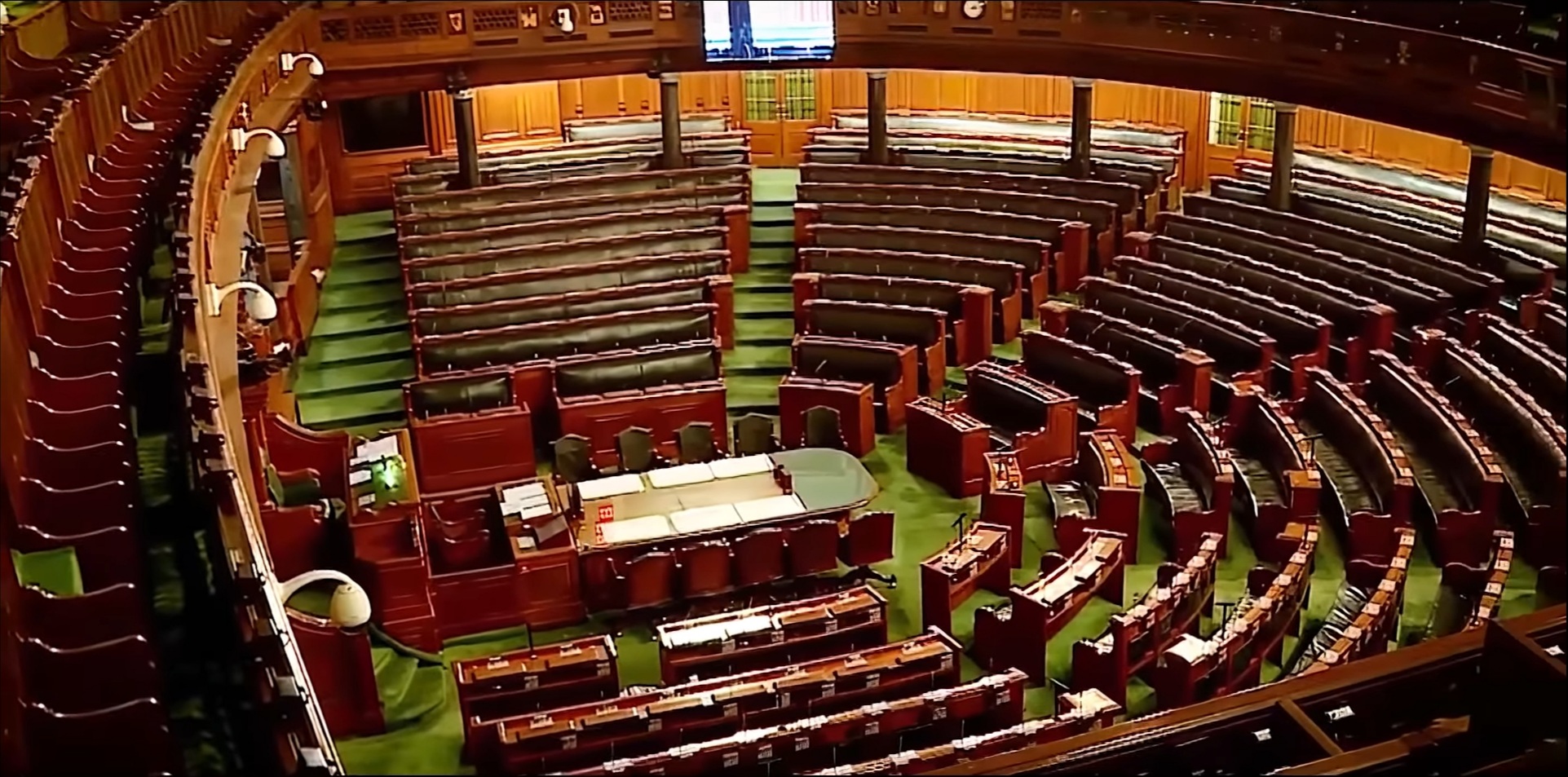
Aparajita Sarangi, a Bharatiya Janata Party Member of Parliament from Bhubaneswar, accused opposition parties of betraying women by obstructing key legislative reforms [1, 2].
The dispute centers on the Nari Shakti Vandan Adhiniyam and the Delimitation Bill, two pieces of legislation critical to women's representation and electoral boundary restructuring. If these measures remain blocked, it could delay the implementation of gender-based quotas in Indian governance and stall necessary updates to constituency maps.
Speaking in Sambalpur, Odisha, Sarangi criticized the tactics used by opposing parties to hinder the legislative process [1, 2]. She said that the current approach of the opposition focuses on disruption rather than constructive dialogue. This critique comes as India prepares for the 2026 monsoon session of Parliament [1, 3].
Sarangi argued that the opposition's actions are creating a setback for women's empowerment. She called for a shift in strategy, moving away from protests toward a more intellectual approach to governance [1, 2].
"Creating noise is not the solution. Coming up with logical arguments is the answer," Sarangi said [1].
The MP's comments were made during an interview on April 22, 2026 [2]. She said that the success of the Nari Shakti Vandan Adhiniyam depends on the willingness of all parties to prioritize women's rights over political maneuvering [1, 2].
Sarangi expressed hope that the opposition would change its stance during the upcoming session. She urged lawmakers to stand by women to ensure that the goals of the women's bill are realized without further delay [1].
“"Creating noise is not the solution. Coming up with logical arguments is the answer."”
The tension between the ruling BJP and opposition parties over the Delimitation Bill and the Nari Shakti Vandan Adhiniyam highlights a significant political deadlock regarding the timing and execution of women's reservation. Because the women's quota is tied to the delimitation process—which redraws electoral boundaries—any delay in the latter effectively freezes the former, making these legislative hurdles a primary point of contention heading into the 2026 monsoon session.


'%2F%3E%0A%20%20%20%20%3Crect%20width%3D'1600'%20height%3D'900'%20fill%3D'url(%23v)'%2F%3E%0A%20%20%20%20%3Cg%20opacity%3D'0.08'%20fill%3D'%23ffffff'%3E%0A%20%20%20%20%20%20%3Ccircle%20cx%3D'1420'%20cy%3D'180'%20r%3D'220'%2F%3E%0A%20%20%20%20%20%20%3Ccircle%20cx%3D'1500'%20cy%3D'760'%20r%3D'120'%2F%3E%0A%20%20%20%20%3C%2Fg%3E%0A%20%20%20%20%3Cline%20x1%3D'80'%20y1%3D'172'%20x2%3D'220'%20y2%3D'172'%20stroke%3D'%23ffffff'%20stroke-width%3D'3'%20stroke-opacity%3D'0.6'%2F%3E%0A%20%20%20%20%3Ctext%20x%3D'80'%20y%3D'140'%20font-family%3D'Inter%2C%20-apple-system%2C%20Helvetica%2C%20sans-serif'%20font-weight%3D'700'%20font-size%3D'28'%20fill%3D'%23ffffff'%20letter-spacing%3D'6'%3EHANNA%20%C2%B7%20NEWS%3C%2Ftext%3E%0A%20%20%20%20%3Ctext%20x%3D'80'%20y%3D'230'%20font-family%3D'Inter%2C%20-apple-system%2C%20Helvetica%2C%20sans-serif'%20font-weight%3D'600'%20font-size%3D'40'%20fill%3D'%23ffffffb3'%20letter-spacing%3D'4'%3EWORLD%3C%2Ftext%3E%0A%20%20%20%20%3Ctext%20x%3D'80'%20y%3D'694'%20font-family%3D'Playfair%20Display%2C%20Georgia%2C%20serif'%20font-weight%3D'800'%20font-size%3D'110'%20fill%3D'%23ffffff'%20letter-spacing%3D'-1'%3ELandslide%20in%20Southwest%20China%3C%2Ftext%3E%3Ctext%20x%3D'80'%20y%3D'820'%20font-family%3D'Playfair%20Display%2C%20Georgia%2C%20serif'%20font-weight%3D'800'%20font-size%3D'110'%20fill%3D'%23ffffff'%20letter-spacing%3D'-1'%3ETraps%20Residents%3C%2Ftext%3E%0A%20%20%20%20%3Ctext%20x%3D'80'%20y%3D'870'%20font-family%3D'Inter%2C%20-apple-system%2C%20Helvetica%2C%20sans-serif'%20font-weight%3D'500'%20font-size%3D'22'%20fill%3D'%23ffffff66'%20letter-spacing%3D'2'%3Enews.hanna-ai.com%3C%2Ftext%3E%0A%20%20%3C%2Fsvg%3E)