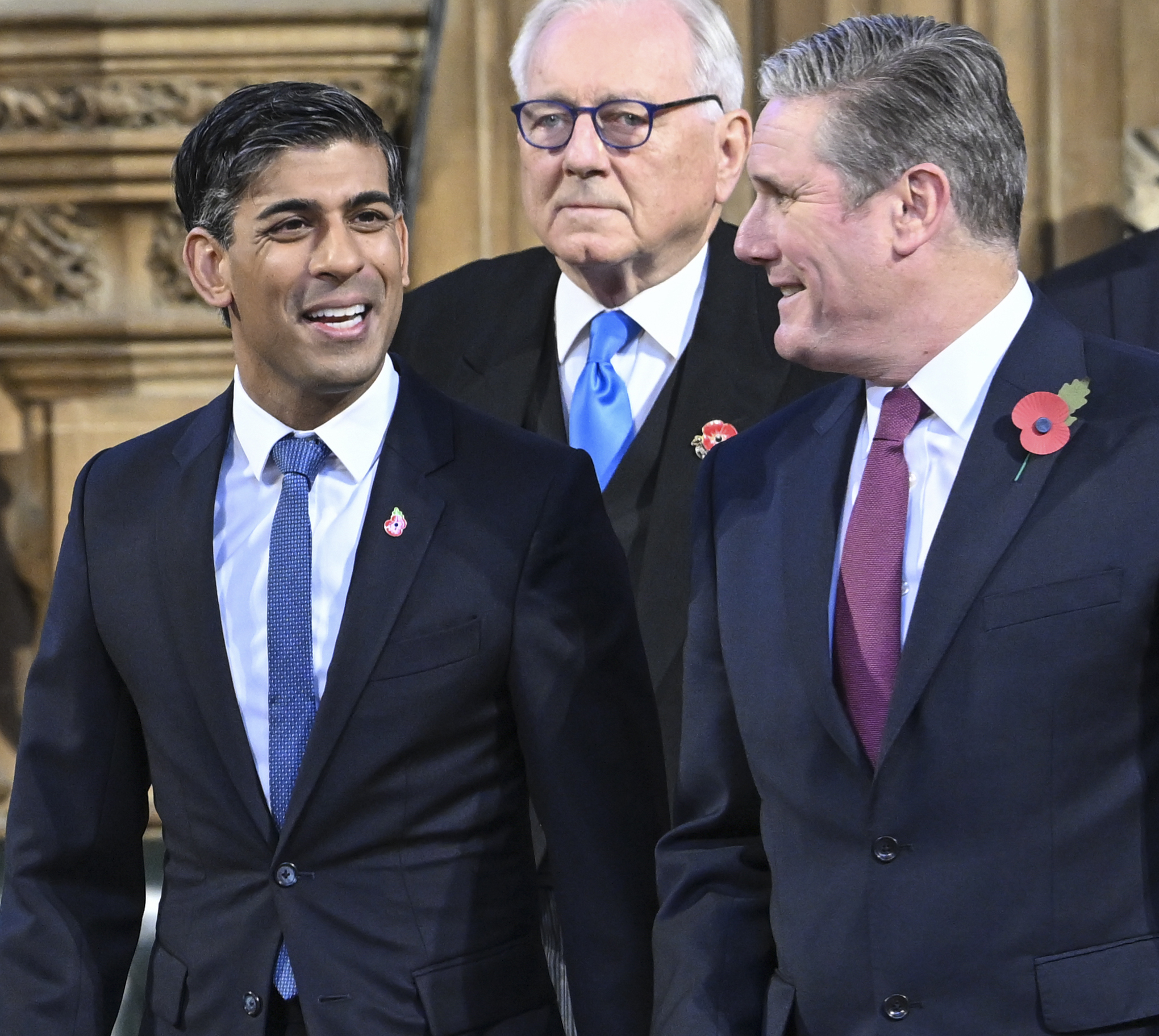
Labour MP Andy Burnham won the Makerfield by-election in north-west England on Friday [1, 3].
The result is seen as a critical test of public sentiment toward the Labour government and Reform UK. Because the victory is being interpreted as a rebuke of the current leadership, it has intensified speculation about the next political moves of Prime Minister Keir Starmer [2, 5].
Burnham's win comes at a time of heightened tension within the party. The Makerfield constituency served as a proxy for voter satisfaction with the government's direction. While Burnham secured the seat, the nature of the victory has left observers questioning the stability of Starmer's position in Number 10 [2, 4].
Reports on Starmer's reaction to the result vary. Some accounts said that Starmer will stand in a battle for the Labour leadership following the landslide win by Burnham [1]. Other reports said that the Prime Minister's future is looking increasingly uncertain [4, 5].
The by-election also served as a measuring stick for Reform UK. Despite the Labour victory, the contest highlighted the ongoing struggle between the government and right-wing challengers for the working-class vote in the north of England [2, 5].
Starmer has not yet issued a formal statement regarding a leadership challenge or a change in his timeline for the premiership. The focus now shifts to whether the party's internal factions will use the Makerfield result to push for a change in leadership [4].
“Andy Burnham won the Makerfield by-election in north-west England”
The Makerfield result creates a precarious moment for Keir Starmer by demonstrating that a different brand of Labour leadership can achieve landslide success in key constituencies. If other party members view Burnham's victory as a blueprint for electoral dominance, it may embolden internal rivals to challenge Starmer's authority, potentially destabilizing the government's legislative agenda.