
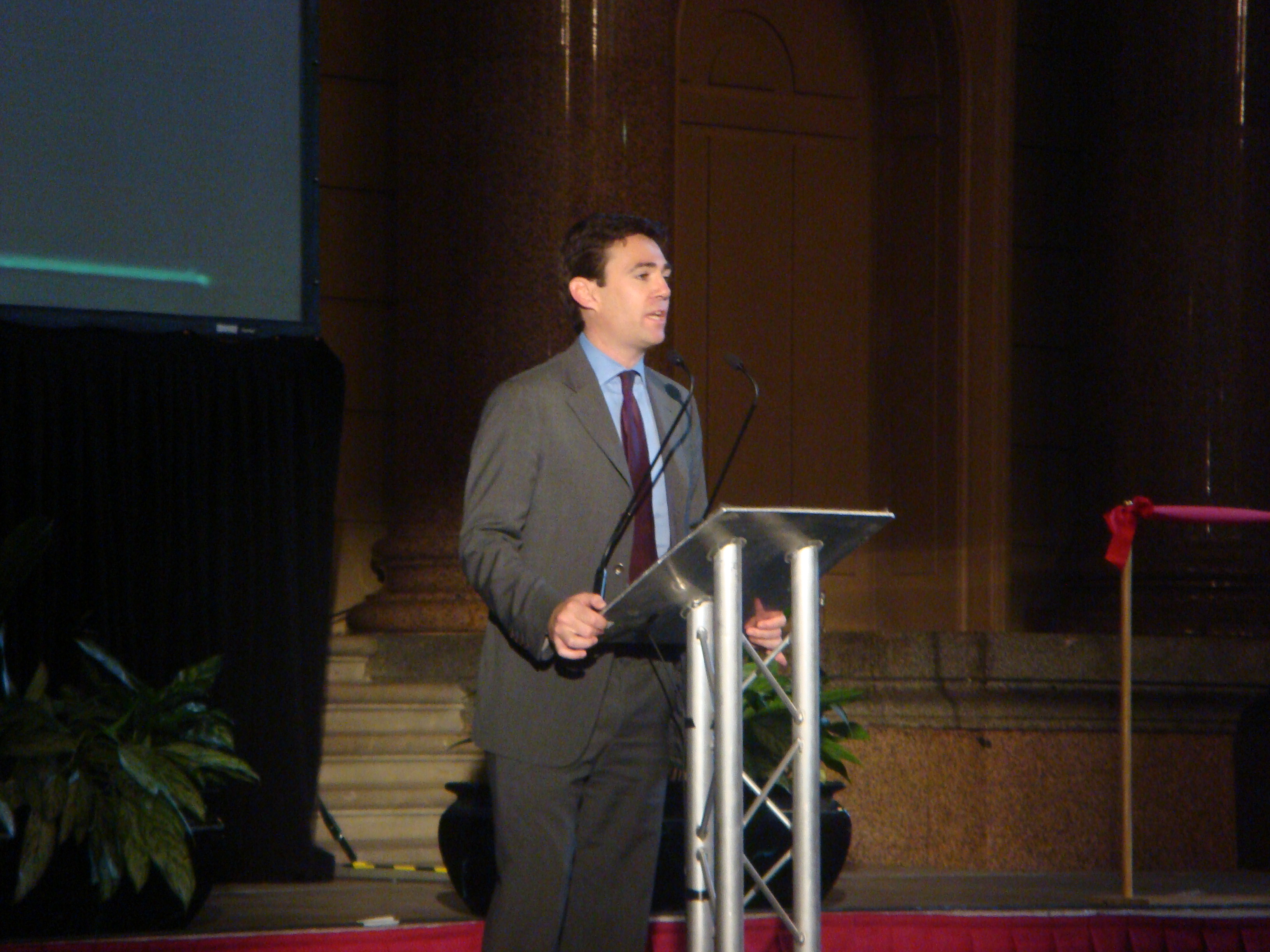
Andy Burnham and Wes Streeting are positioning themselves as potential successors to Labour leader Keir Starmer [1].
This internal competition signals a strategic divide within the party as it seeks to maintain its hold on traditional heartland voters. The outcome of these ambitions could reshape the party's ideological direction and its approach to the U.S. and the United Kingdom's post-Brexit economy.
Burnham said he will seek the office of the Prime Minister if he wins the upcoming Makerfield by-election [1]. His strategy focuses on securing a direct mandate through a critical local contest to build momentum for a national leadership bid [2].
Streeting is pursuing a different path by courting heartland Labour voters with a pitch described as "Brexit 2.0" [1]. This approach aims to re-energize the party's traditional base by addressing the lingering economic and social effects of the UK's departure from the European Union [2].
The tension between these two figures represents a broader struggle for the soul of the party. While Burnham focuses on electoral victory in specific constituencies, Streeting is attempting to redefine the party's policy framework to better align with working-class voters [1].
Both men are navigating the shadow of Keir Starmer's current leadership. The Makerfield by-election serves as a primary catalyst for this face-off, acting as a litmus test for which leadership style resonates more with the electorate [2].
“Burnham said he will seek the office of the Prime Minister if he wins the upcoming Makerfield by-election.”
The rivalry between Burnham and Streeting highlights a pivot in Labour's internal dynamics. By contrasting a bid for executive power through local electoral success against a policy-driven attempt to reclaim the 'Red Wall' via a new Brexit strategy, the party is testing whether a strong personality or a revised ideological platform is the more effective tool for long-term stability.


