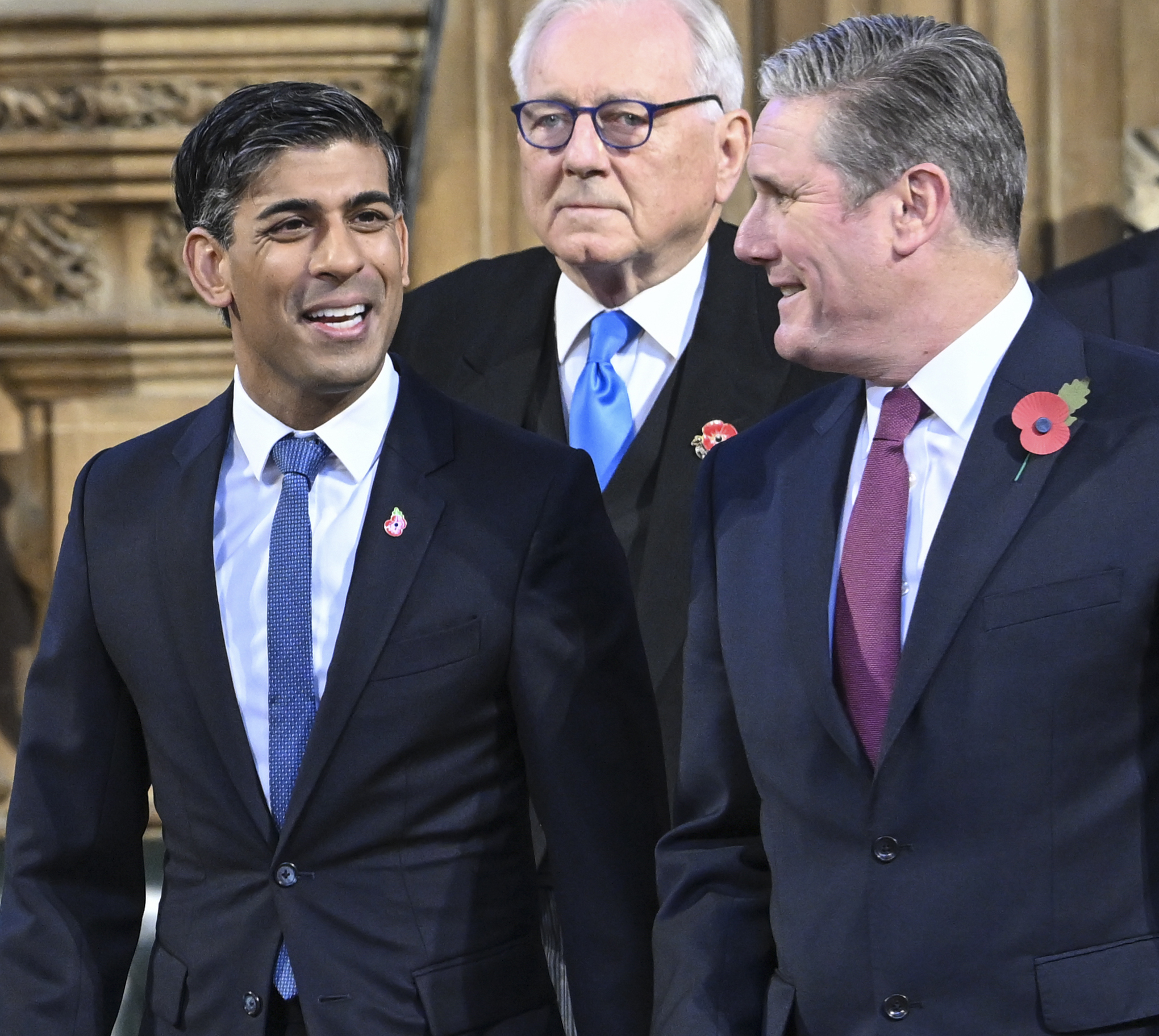
Andy Burnham (Labour) won the Makerfield by-election on June 18, 2026 [2], creating the conditions for a leadership challenge within the Labour Party.
This victory provides Burnham with a seat in Parliament, a prerequisite for mounting a bid for the party leadership. The result intensifies internal pressure on Prime Minister Sir Keir Starmer (Labour), who now faces a direct challenger from within his own party.
Burnham, the mayor of Greater Manchester, secured the seat in the constituency located on the outskirts of Manchester in north-west England [1]. Following the results reported this Friday, Burnham said he intends to seek fundamental shifts in party direction. "We need big change for Labour and for the country," Burnham said [3]. He added that the party has a "final chance to change" [4].
Sir Keir Starmer responded to the development by stating he would not step aside. "I will stand in any leadership contest," Starmer said [5].
The Prime Minister's resolve comes as he faces significant dissent from his own caucus. According to reports, 96 Labour MPs have publicly called for Starmer to stand down [6]. This wave of opposition suggests a growing divide between the party leadership, and its parliamentary members, regarding the current trajectory of the government.
Burnham's transition from regional governance to a parliamentary role allows him to leverage his local popularity into a national platform. The Makerfield result serves as a catalyst for those within the party who believe a change in leadership is necessary to maintain electoral momentum or shift policy priorities.
“"I will stand in any leadership contest."”
The entry of Andy Burnham into Parliament transforms a theoretical leadership threat into a practical one. By securing a seat, Burnham satisfies the constitutional requirements to challenge Starmer, while the high number of dissenting MPs indicates that a leadership contest would not be a mere formality but a genuine struggle for the party's ideological direction.


